
Last updated October 17, 2026
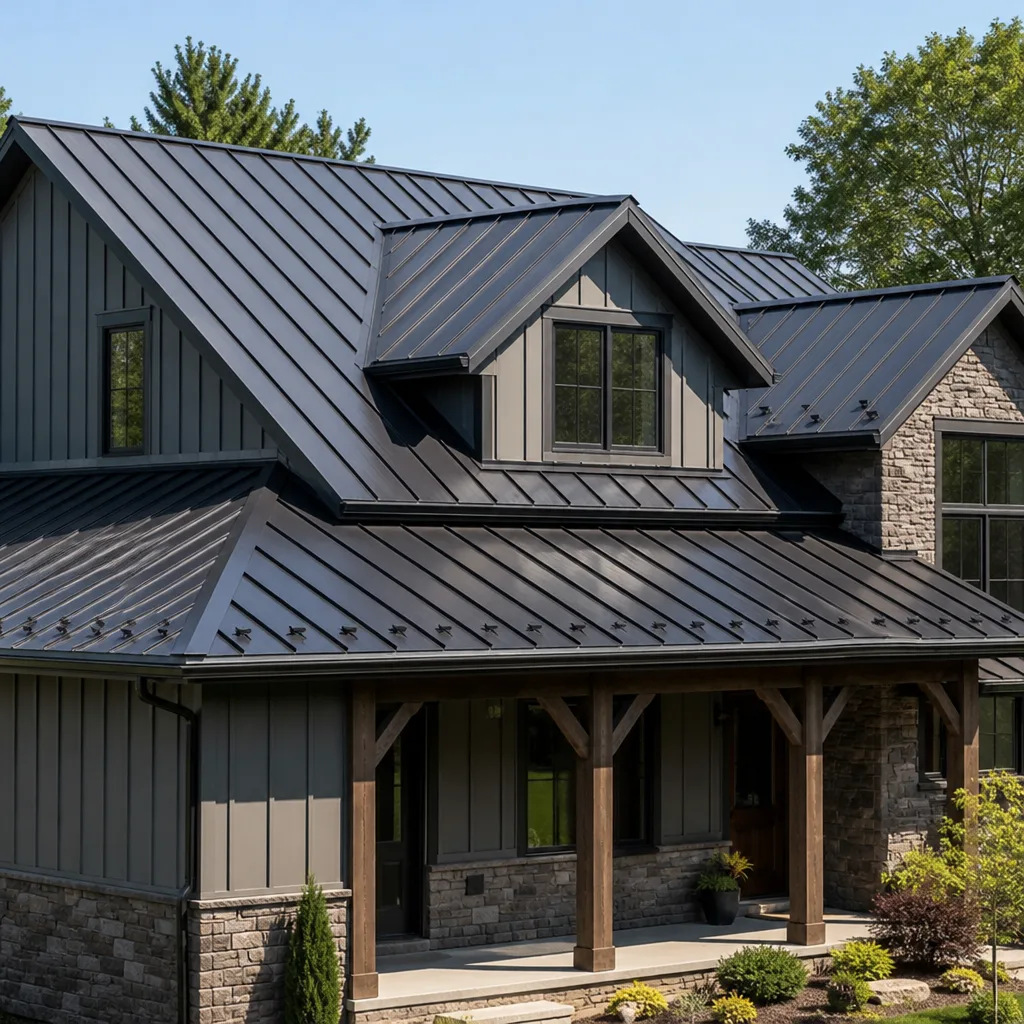 Metal roofing
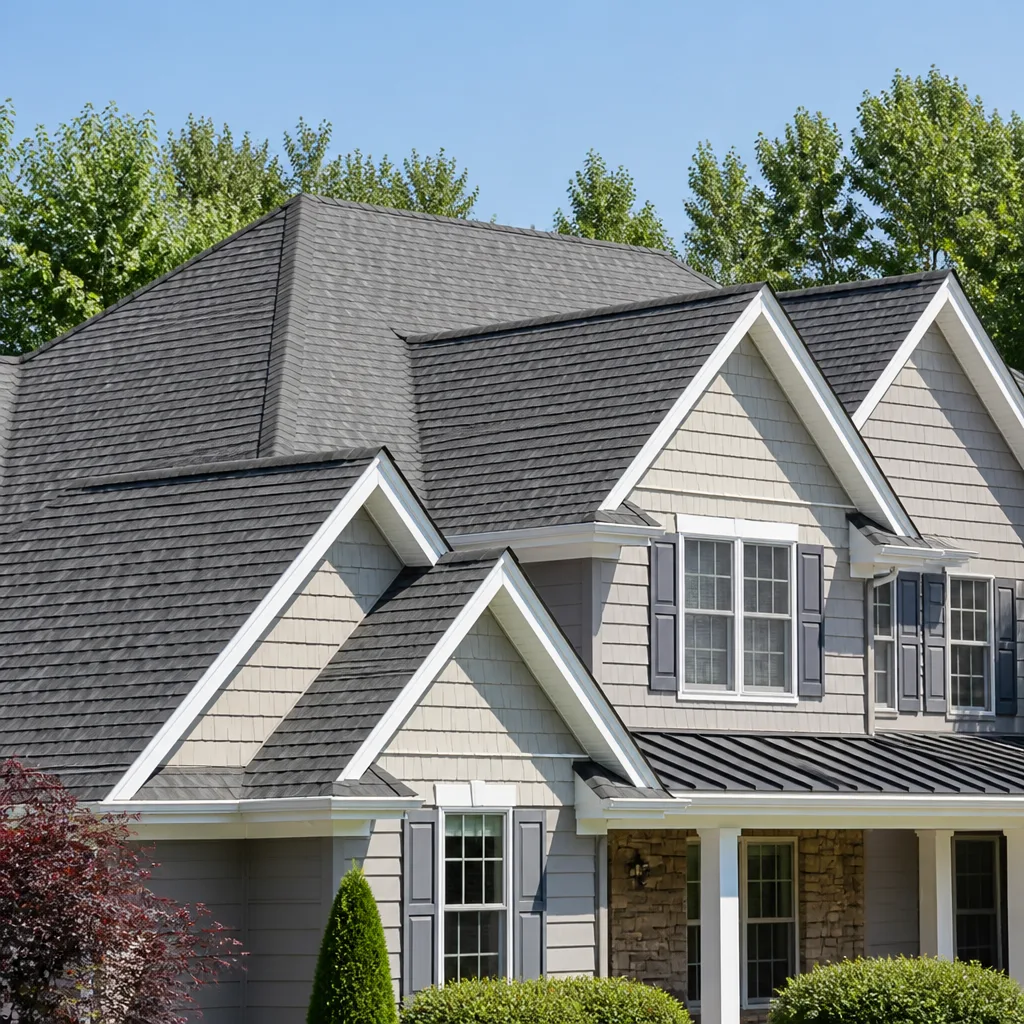 Architectural shingles
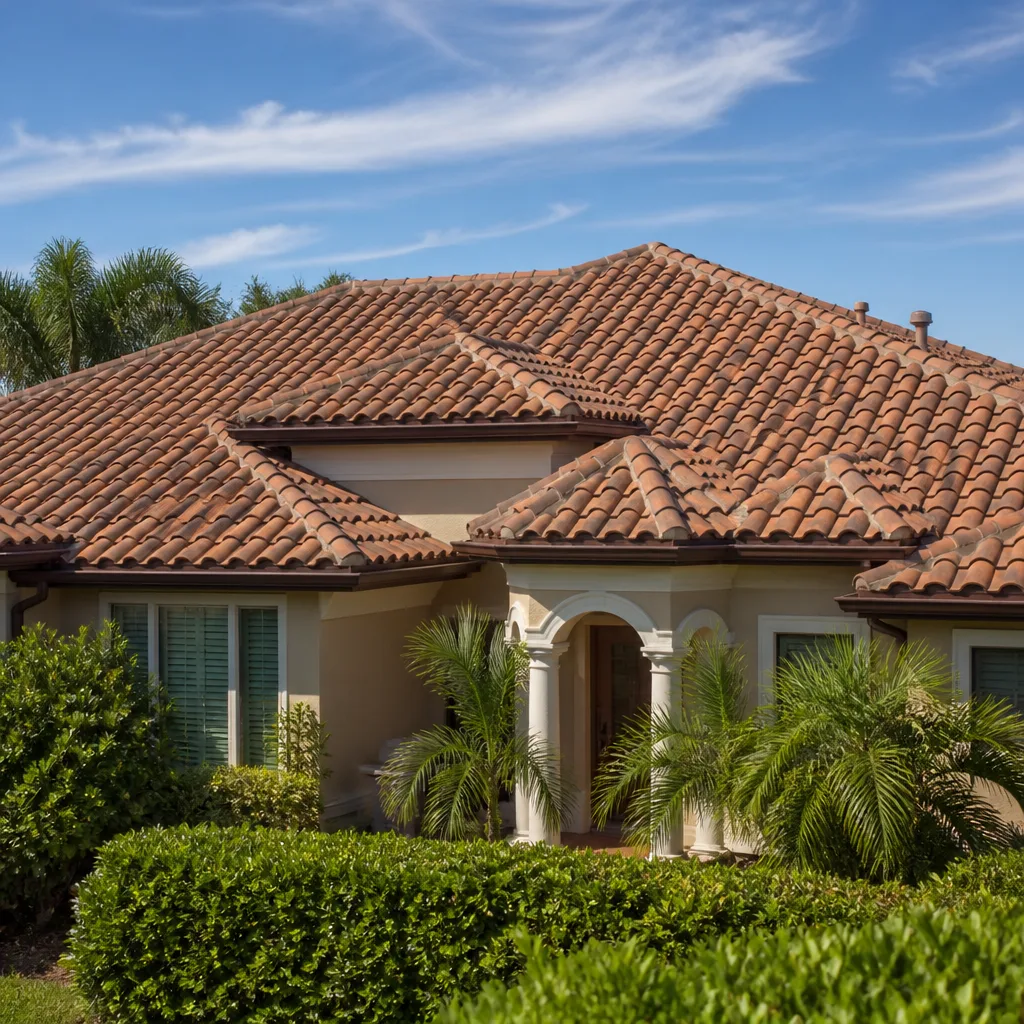 Tile roofing
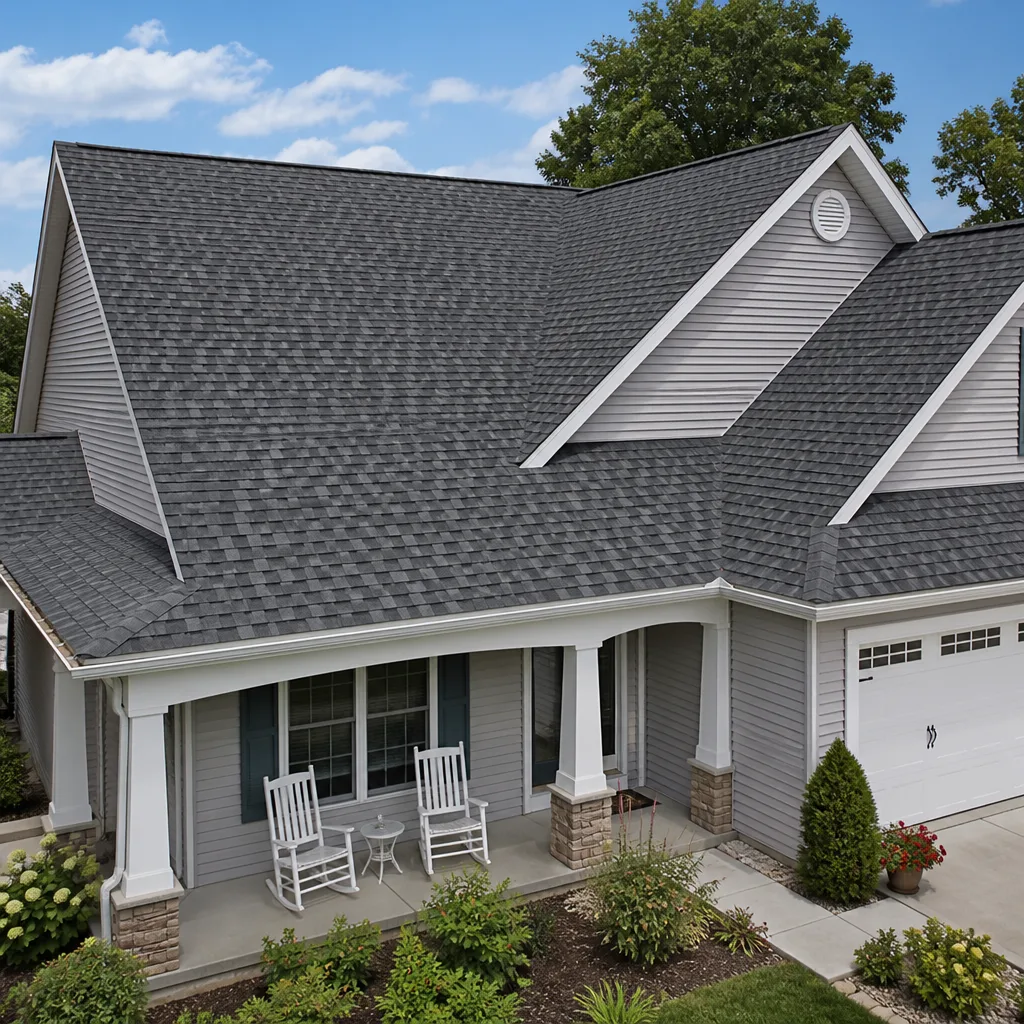 GAF
GAF Flat & low-slope
Free roof inspection with deck photos before we talk money - GAF and Owens Corning certified installation
How to Hire a Roofing Contractor in San Antonio: A Step-by-Step Guide
In Bexar County alone, roofing complaints to the Texas Attorney General’s office spike an average of 340% in the 90 days following a major hail event. The contractors driving that number aren’t charging the most. They’re charging the least, and winning jobs on price alone. This guide walks you through a specific vetting sequence used by homeowners in San Antonio who want to avoid becoming part of that statistic. You’ll learn how to verify a contractor’s credentials using free state databases, what questions separate a local crew from a storm-chaser, how to read the contract language that can quietly cost you thousands, and how to structure payments so you keep leverage until the last shingle is nailed and the yard is clean.
Quick Answer
To hire a roofing contractor in San Antonio, verify their Texas registration and insurance through free state databases first, then require a written scope of work that itemizes material brands, disposal fees, and warranty terms before any money changes hands. Never pay the full amount upfront. Never sign a contract that allows material substitution without your written approval. The best roofer in San Antonio is the one who puts every promise in writing and shows you photo proof of the completed work.
Styles & brands we work with
Table of Contents
- Verify Credentials: Texas Registration, Insurance, and Workers’ Comp in Under 10 Minutes
- How to Tell a Local San Antonio Roofer From a Storm-Chasing Operation
- What a Legitimate Written Scope of Work Must Include
- Contract Red Flags: Escalation Clauses, Material Substitution, and Arbitration Waivers
- How to Structure Payments So You Keep Leverage
- San Antonio-Specific Factors: Climate, Code, and Insurance Claims
- Choosing Materials: What San Antonio Homeowners Actually Need
- What a Good Roofing Job Should Look Like From Start to Finish
Verify Credentials: Texas Registration, Insurance, and Workers’ Comp in Under 10 Minutes
Texas does not license roofing contractors at the state level, which surprises a lot of San Antonio homeowners. There is no Texas roofing license number to check. What you’re verifying instead is whether the contractor is a registered business, whether they carry active liability insurance, and whether their workers are actually covered if someone falls off your roof.
Here’s the 10-minute sequence we recommend to every San Antonio homeowner:
- Check the Texas Comptroller’s franchise tax search. If a contractor claims to be a real business, they should appear in the Texas Comptroller’s online entity search. A missing record means they may not be paying taxes, which tells you how they run their operation.
- Ask for the Certificate of Insurance (COI) directly from the insurer. Don’t accept a photocopy handed over at the door. Call the insurance agency listed on the certificate and confirm the policy is active. A lapsed policy is the most common coverage problem we see in San Antonio.
- Verify workers’ comp coverage through the Texas Department of Insurance. Texas allows employers to opt out of workers’ comp, which is legal but means if a roofer is injured on your property, your homeowner’s insurance could be on the hook. Confirm the contractor carries it, in writing.
- Check the Better Business Bureau for a pattern of complaints. One complaint is normal. Five complaints about the same issue, like abandoned jobs or missed appointments, is a pattern.
This all takes less time than watching a single episode of a home renovation show, and it filters out most of the roofers who cause the statistic at the top of this guide. If a contractor hesitates at any of these steps, let that hesitation guide your decision.
Homeowners who want a deeper look at what a repair actually involves should read our guide to Roof Repair in San Antonio for specifics on what a proper repair scope includes.
How to Tell a Local San Antonio Roofer From a Storm-Chasing Operation
After every hailstorm that rolls through the Hill Country and into the San Antonio metro, out-of-state crews with magnetic truck signs flood the market. They’re gone by the time the next storm hits, which matters because warranty claims require someone to actually show up and fix the problem.
Here are the questions that reveal who you’re actually dealing with:
- “Where is your physical office?” A local San Antonio roofer has an address you can drive past. A storm-chaser often uses a mailbox service or a short-term rental in a strip mall. Offer to stop by the office to sign paperwork. Watch the reaction.
- “Who will be on the job every day?” Get names. Then ask if those names are employees or day-labor subcontractors hired for this one job. The answer tells you whether quality control exists.
- “What projects have you completed in San Antonio in the past year?” A local contractor can give you neighborhood names like Alamo Heights, Stone Oak, Terrell Hills, or Castle Hills from memory. A storm-chaser pauses, shuffles papers, and says something vague.
- “What happens if I call you in November about a leak from work done in March?” A local roofer answers this directly. A storm-chaser’s phone number stops working by November.
In our experience, the tell is rarely the sales pitch and almost always the logistics. A roofer who can’t answer where materials will be staged, which crew runs the tear-off, and who to call on a Sunday is a roofer planning to be somewhere else by the time those questions matter.
For a full breakdown of what a proper replacement involves in the San Antonio market, see Roof Replacement in San Antonio.
What a Legitimate Written Scope of Work Must Include
A written scope of work is the single most important document in your roofing project. It’s the difference between a contractor’s promise and a contractor’s legal obligation. If your roofer hands you a one-page estimate with a single line that says “roof replacement: $14,200,” that’s not a scope of work. That’s a guess with your signature attached.
A legitimate scope of work in San Antonio should include at minimum:
- Line-item material specifications. Not just “architectural shingles,” but the brand, the line, the color, and the wind rating. Example: “GAF Timberline HDZ, Charcoal, Class 4 impact rated.” If the brand isn’t named, the roofer can install whatever is cheapest on the truck that morning.
- Underlayment specified by type and coverage area. Synthetic underlayment versus felt paper is a real difference that shows up in how the roof performs over 20 years of San Antonio heat.
- Flashing details by location. Flashing is the metal strips that seal joints around chimneys, vents, and valleys. The scope should say which locations will receive new flashing and what material will be used.
- Disposal and cleanup costs as a fixed line item. If this line is missing, the dumpster fee shows up as a surprise on the final invoice.
- Warranty terms in writing. Manufacturer warranty and workmanship warranty are different things. You should know the length of each and what each covers in plain terms.
- Total price as a fixed number. Not an estimate range. A fixed price. If the scope says “$12,000 to $14,000 depending on conditions,” ask what the conditions are and get that number locked before signing.
At Crestview Roofing, every job includes a written price before any work starts. The number on the page is the number on the invoice. If your contractor won’t provide that level of detail in writing, they’re preserving the right to change the number later. That’s not an accident. That’s a strategy.
For new construction and hail damage alike, the material and scope requirements differ, which is why we wrote a dedicated guide for Roof Installation in San Antonio covering those specifics.
Contract Red Flags: Escalation Clauses, Material Substitution, and Arbitration Waivers
Most San Antonio homeowners never read the full contract before signing it. That’s not a moral failing. It’s a design feature. Contract language is written to be skimmed, and the clauses that cost you the most are the ones buried on page three under a heading like “Additional Terms.”
Here are the three clauses that should make you put the pen down:
Escalation clauses. This language says the contractor can raise the price if material costs increase between the signing date and the installation date. In a market where shingle prices shift with fuel and supply chains, an escalation clause gives the roofer a blank check. If you see language about “market adjustments” or “material cost fluctuations,” strike it and initial the change. A professional roofer prices a job to hedge normal material swings.
Material substitution rights. Some contracts say the contractor can substitute materials “of equal quality” at their discretion. Equal quality is not a defined term. It means the contractor can install a budget shingle from an unfamiliar brand and you have no recourse. Your contract should name the specific shingle brand and line, and state that any substitution requires your written approval before installation.
Arbitration waivers. An arbitration clause isn’t automatically bad, but a clause that waives your right to court, waives your right to a jury, and waives your right to a class action in the same paragraph is designed to protect the contractor, not you. Ask what dispute resolution process the contractor actually uses. A contractor who refuses to negotiate arbitration language is telling you something about how they expect the relationship to end.
Read the contract with a pen in your hand. Strike what you don’t accept. A legitimate roofer in San Antonio expects this. A roofer who gets offended by a red line is a roofer who planned to rely on whatever you signed without reading.
How to Structure Payments So You Keep Leverage
The way you structure payments determines what happens if the job goes sideways. Hand over too much money too early and you lose the only leverage you have. Here’s the payment structure that protects a San Antonio homeowner:
- Deposit: 10% to 15%, never more. A legitimate roofing company can start the permitting and material ordering on 15% of the job cost. If a contractor asks for 50% upfront, they’re financing their last job with your money.
- Progress payment: 30% to 40% after the tear-off and dry-in. The dry-in is the point where old roof is removed, underlayment is installed, and the house is protected from weather. This is a logical checkpoint. The contractor has done real work. You’ve paid for it fairly. Neither side is overextended.
- Final payment: remaining balance after the job passes inspection and the site is clean. This final payment is your leverage. It stays in your account until nails are swept with a magnet roller, the dumpster is gone, and any city inspection has passed. A contractor who pushes for full payment before cleanup is telling you they don’t plan to come back.
Never pay in cash. A check or card creates a record. If a contractor offers a discount for cash, ask yourself why they want a transaction with no paper trail.
This payment structure doesn’t signal distrust. It signals a professional relationship where both parties are protected until the work is genuinely complete.
San Antonio-Specific Factors: Climate, Code, and Insurance Claims
Roofing in San Antonio is a different game than roofing anywhere else in Texas. Here’s what homeowners need to know about the local conditions that shape every good decision in this market.
Heat is the silent roof killer. San Antonio sees more than 100 days above 90 degrees in an average year, and that heat bakes shingles from above while attic heat attacks from below. Poorly ventilated attics in San Antonio can cook a shingle system from the underside, cutting years off the roof’s life. That’s why ventilation discussion should be part of every Roof Replacement in San Antonio quote, not an upcharge afterthought.
Hail is a regular visitor. The San Antonio area lies in what meteorologists call Hail Alley, and storms regularly drop 1-inch to 2-inch hail across the metro from Stone Oak down to the South Side. After any hail event, insurance claim filings surge, and so do the storm-chasing contractors mentioned earlier. Work with a roofer who understands the insurance claim process from the homeowner’s side, including what documentation the adjuster needs.
City of San Antonio permit requirements. A roof replacement in San Antonio requires a permit from the Development Services Department. The permit ensures the work meets the city’s building code, including wind uplift requirements that matter during the spring storm season. A roofer who offers to skip the permit to save you money is saving you a few hundred dollars and costing you potential insurance coverage and resale issues.
Neighborhoods have architectural standards. If you live in a community with an HOA, like many subdivisions in the Stone Oak or Westover Hills areas, the HOA may restrict shingle colors and materials. Get approval before the shingles arrive, not after.
Choosing Materials: What San Antonio Homeowners Actually Need
Shingle selection is where a lot of San Antonio homeowners get overwhelmed. The answer depends on three factors: your home’s exposure, your insurance policy, and your budget. Here’s how a professional thinks about it.
Impact-rated shingles matter more than color. In Hail Alley, a Class 4 impact-rated shingle from a manufacturer like Atlas or GAF can survive hail that would destroy a standard architectural shingle. The smarter math is insurance: many Texas insurers offer premium discounts for Class 4 roofs. Ask your agent before you buy. The savings can offset the material cost difference within a few years.
Brand matters because warranty claims depend on it. A shingle warranty claims chain only works if the installer is certified by the manufacturer. A GAF shingle installed by a roofer who isn’t GAF-certified gets you a warranty from the roofer only, not the manufacturer’s backing. Ask whether the contractor holds current certifications for the brand you’re buying. At Crestview Roofing, every material choice is backed by a written workmanship guarantee regardless of brand, with 365-day coverage on every repair in writing.
Ventilation is part of the material decision. The hottest attics in San Antonio destroy shingles from underneath, regardless of brand. Ridge vent, intake vents, and sometimes powered or solar ventilation are part of the materials conversation. A quote that only covers shingles is a quote for a roof that will fail early.
This is also the moment to think about Roof Installation in San Antonio details. Installation technique matters as much as material. A premium shingle installed with the wrong nail pattern fails faster than a mid-grade shingle installed correctly.
What a Good Roofing Job Should Look Like From Start to Finish
A professionally run roofing project in San Antonio follows a predictable sequence. If your contractor can’t describe this process before starting, that’s a warning sign. Here’s what the full process should look like:
- Free estimate and written scope of work. The contractor walks the roof, takes measurements, checks flashing, and documents existing conditions. You receive a written price and a detailed scope before any commitment.
- Permit pulled. The contractor files for the city permit and schedules any required inspections. This should happen before materials show up.
- Material delivery. Shingles, underlayment, flashing, and vents are delivered and staged. You should be able to verify brand and color match before tear-off begins.
- Tear-off and dry-in. Old roofing is removed, decking is inspected and replaced as needed, underlayment is installed, and the home is protected from weather. This is the progress payment checkpoint.
- Shingle installation and flashing work. Shingles go on, flashing is cut and installed at every penetration, and ridge caps finish the job.
- Cleanup. A magnet roller sweeps the property for loose nails, the dumpster is picked up, and the site is restored to its original condition.
- Final inspection and documentation. The city inspection passes. You receive before-and-after photos, a final invoice, and written warranty documentation.
At every step in this sequence, the homeowner should know exactly what is happening and what comes next. That’s the standard we hold ourselves to at Crestview Roofing Co San Antonio, and it’s the standard you should demand from any contractor who quotes your roof.
Common Mistakes to Avoid
- Hiring the lowest bid without comparing scopes. Two quotes of $12,000 and $18,000 for “roof replacement” can both be honest prices for completely different scopes of work. Compare line items, not totals. The low bid usually omits the disposal fee, underlayment upgrades, or flashing replacement.
- Signing a contract before your insurance claim is approved. If the insurance company denies or underfunds the claim, you’re still legally bound to the contract. Wait until you have the claim amount in writing before signing anything.
- Paying in full before the job is complete. Once a contractor has all your money, your phone calls get answered slower. Keep the final payment until inspection passes and the site is clean.
- Skipping the permit. Unpermitted roofing work in San Antonio can deny insurance claims after future storms and complicate a future home sale. Do not trust a roofer who says the permit is unnecessary.
- Choosing materials based on color alone. That dark charcoal shingle looks great but absorbs more heat in the San Antonio sun. Consider impact rating, warranty, and heat performance alongside the curb appeal.
- Not checking who answers the phone before you sign. Call the contractor on a Sunday after you’ve gotten the quote. If you hit voicemail, that’s what a future warranty claim will feel like. A company with a live person answering 24/7 is a company with a working service operation.
See the difference
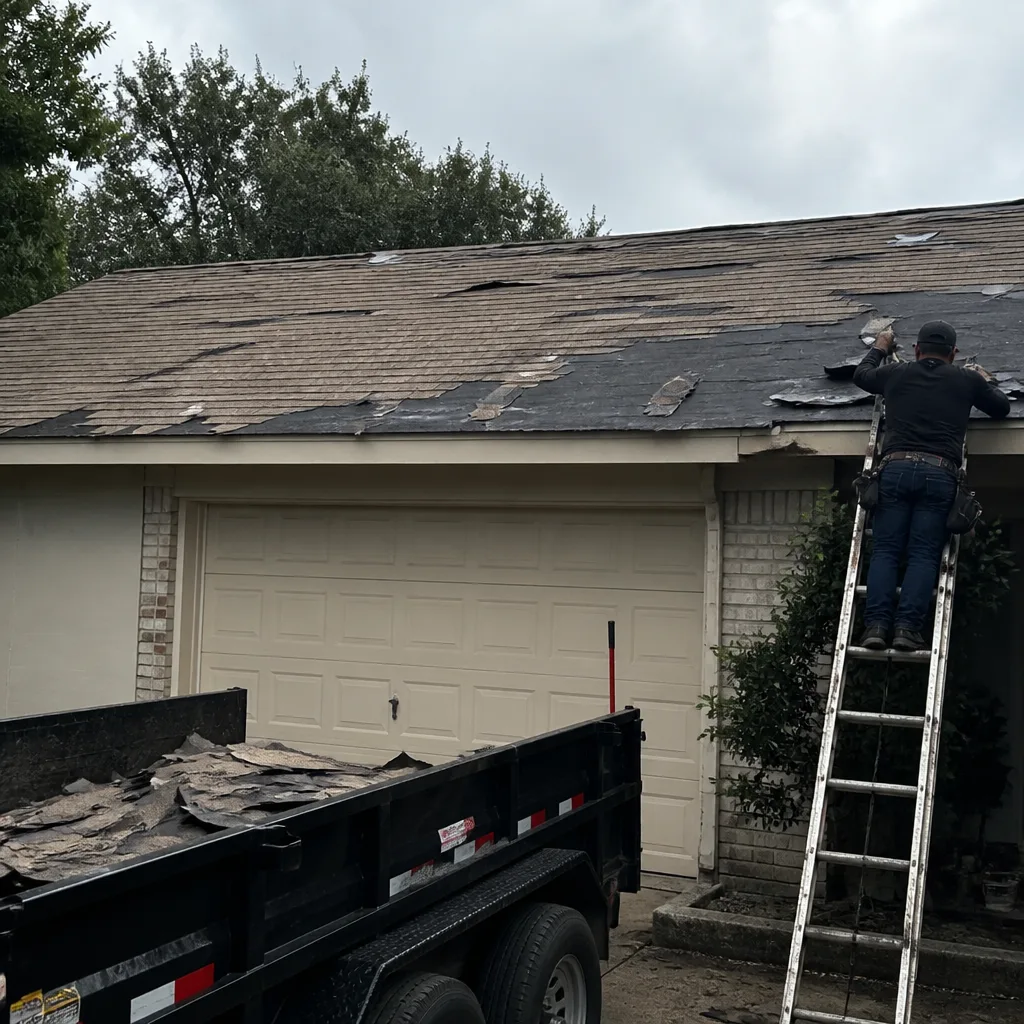 Before
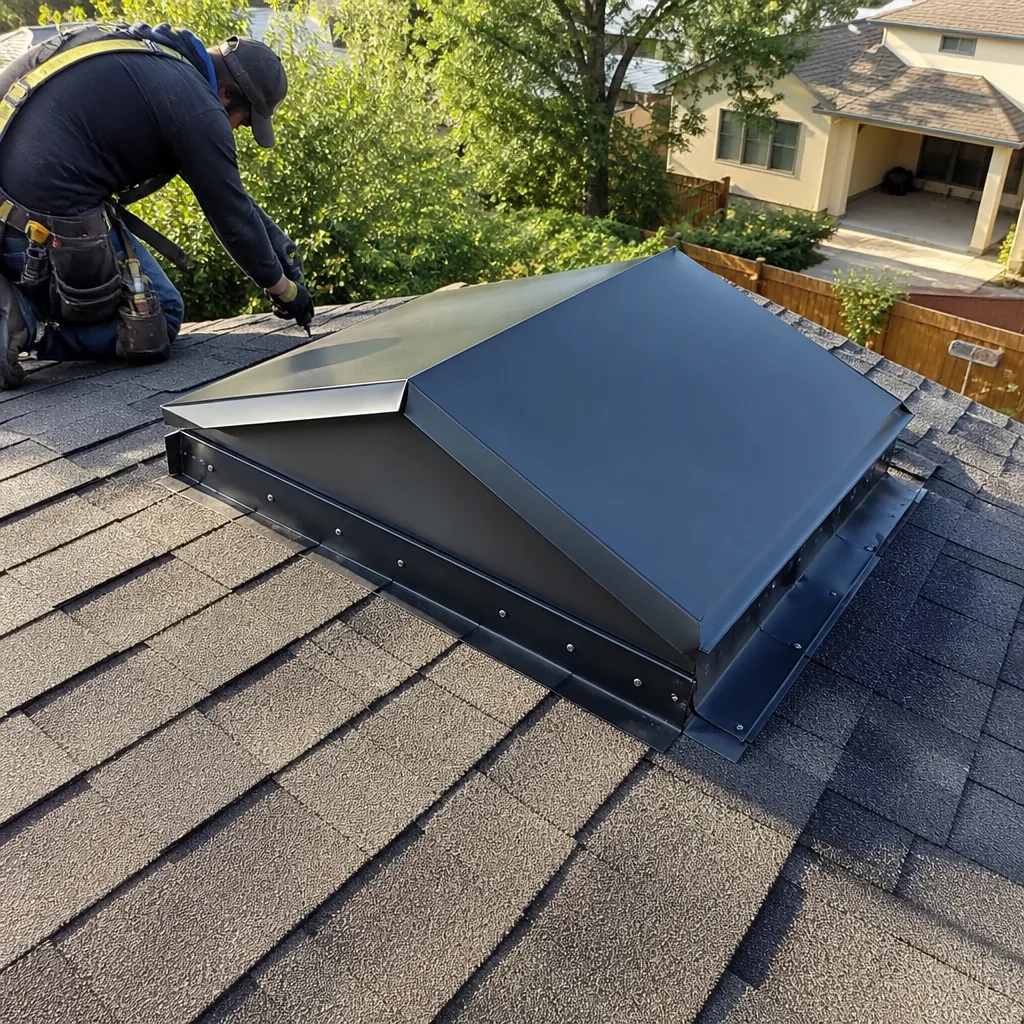 After
After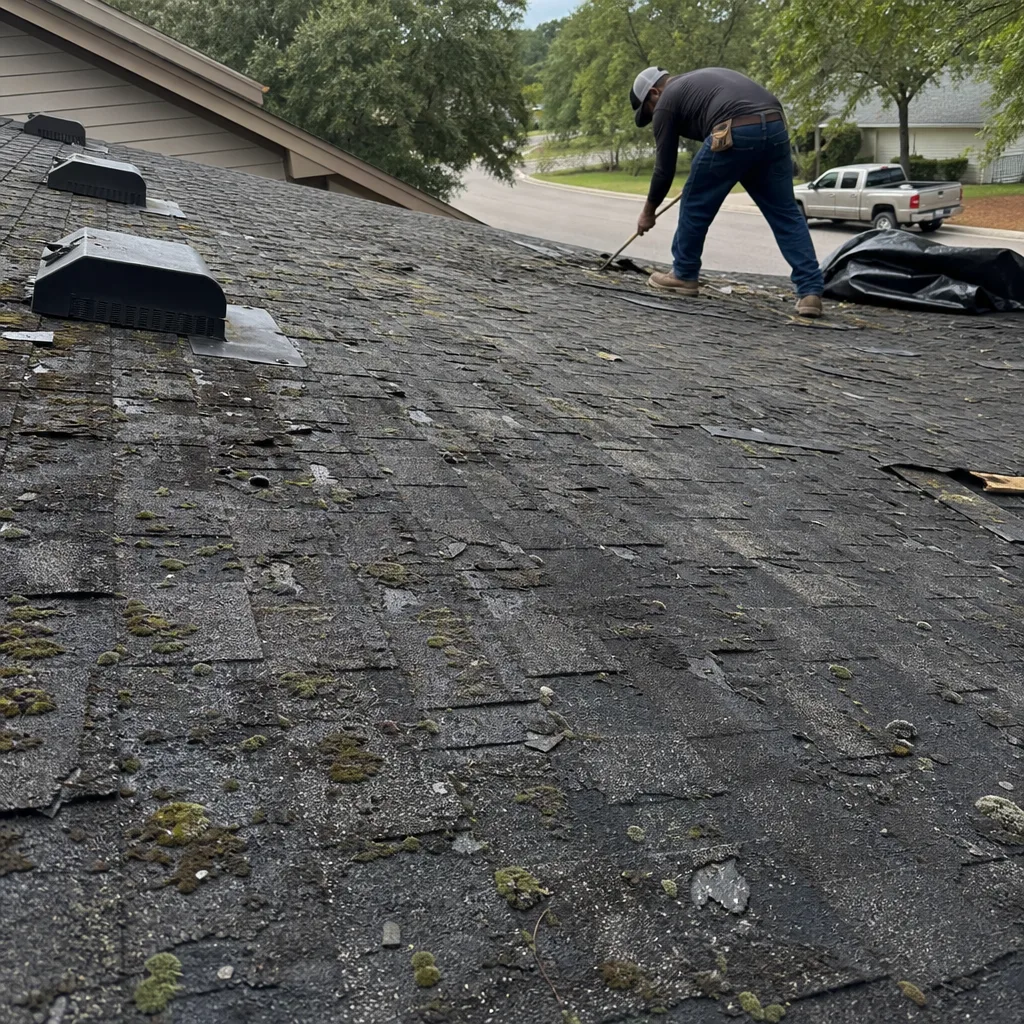 Before
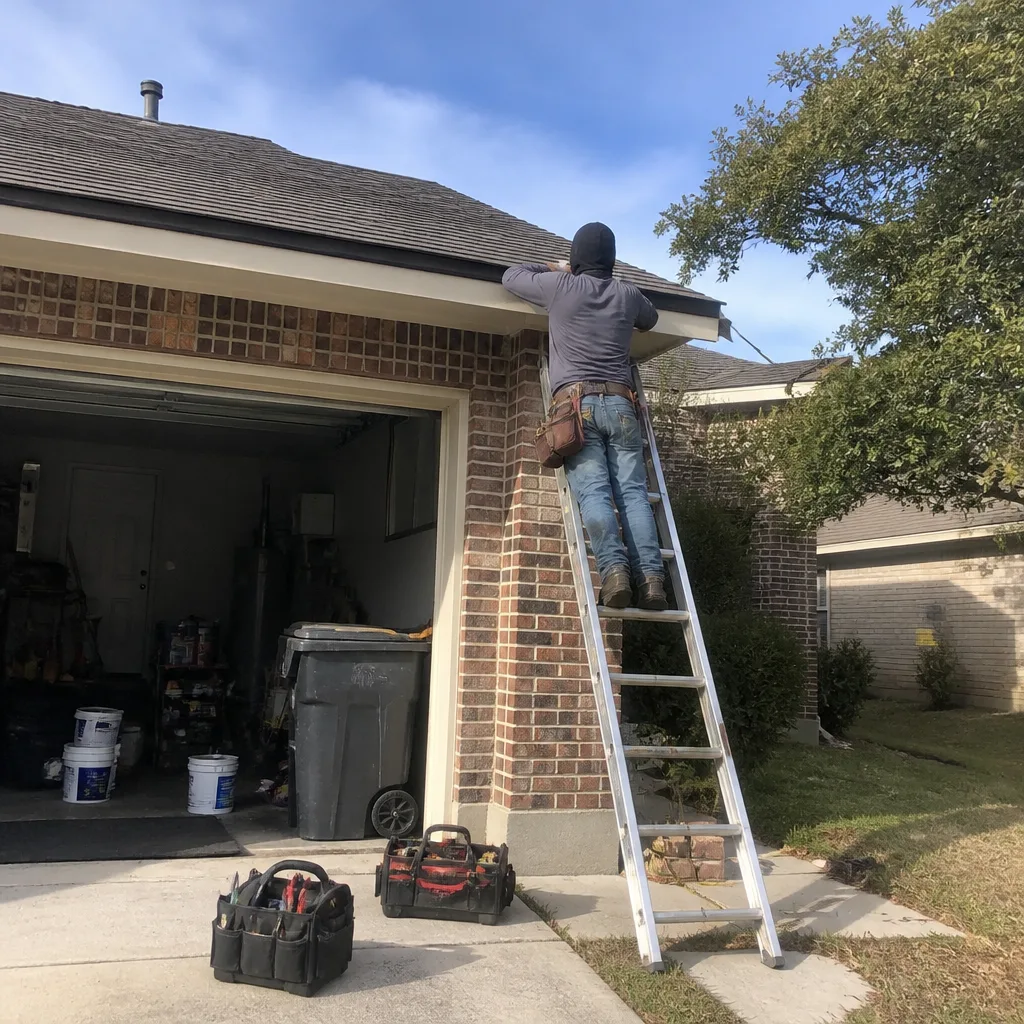 After
After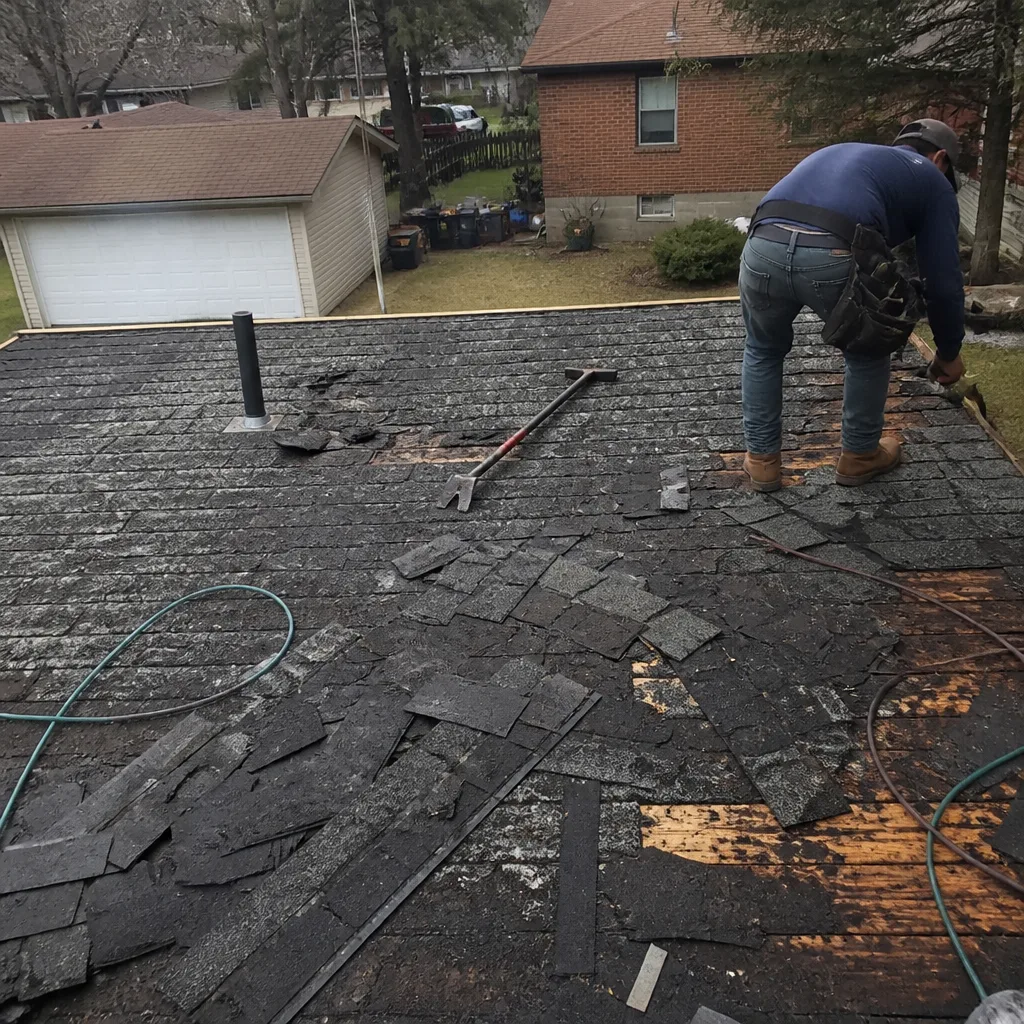 Before
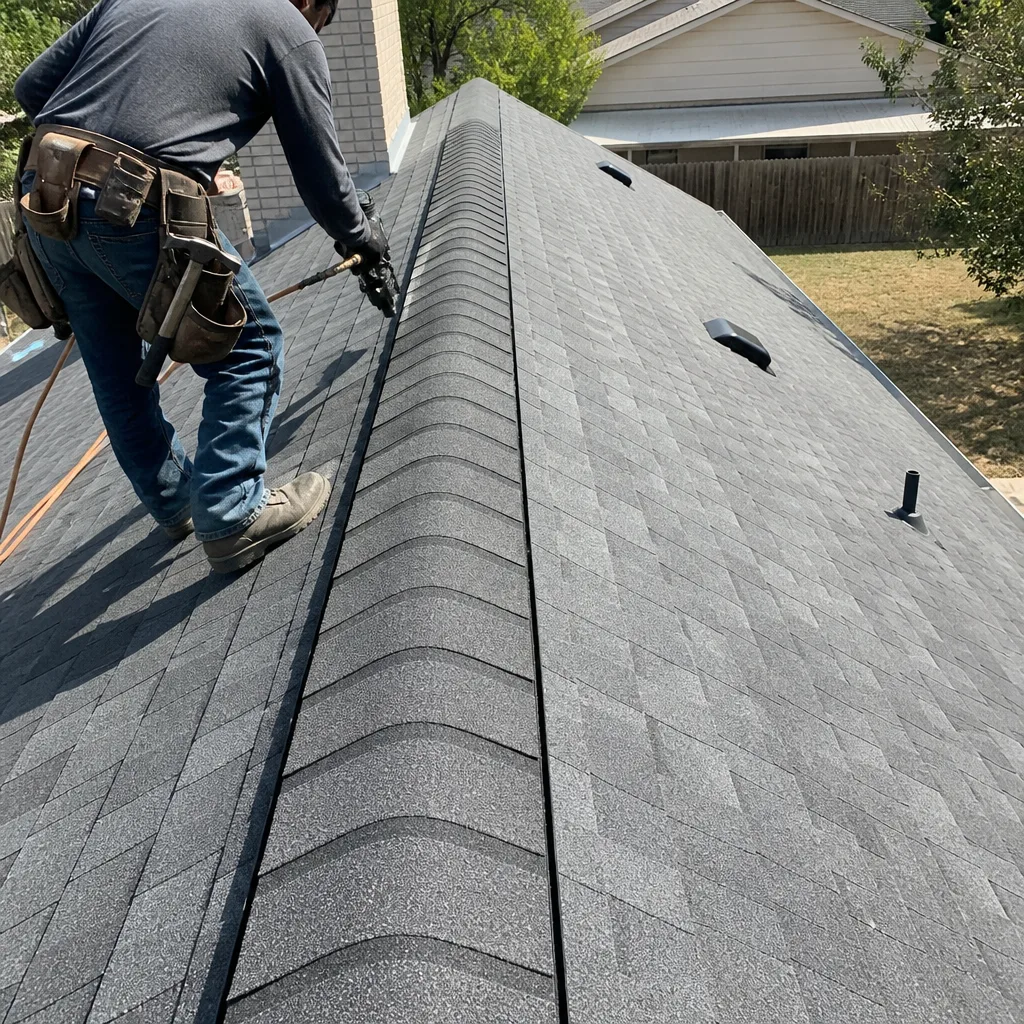 After
AfterWhen to Call a Professional
Roofing is one of the most dangerous trades on a residential property, and some situations should always be handled by a trained professional. If you see water stains on a ceiling after rain, shingles in the yard after a wind storm, granules washing out of your downspouts, or daylight visible from the attic, the roof is compromised and the underlying structure may already be at risk. Walking a roof to assess damage involves working at height on an unstable surface, and high-tension components like safety anchors and ladder positioning require training. Do not attempt a DIY inspection of a damaged roof. Crestview Roofing Co San Antonio offers free estimates in San Antonio. Call (361) 209-8857 and a trained technician will assess the roof with proper safety equipment, document findings with photos, and give you a written scope of work before any commitment.
Frequently Asked Questions
A full roof replacement on a standard single-family home in San Antonio typically runs between $11,000 and $22,000 depending on the size of the roof, the material grade, and the complexity of the flashing work. Most architectural shingle replacements fall in the $12,000 to $16,000 range. Impact-rated shingles add $2,000 to $5,000 to the total. The only way to get an accurate number is a written scope of work from a contractor who has walked the roof. Call (361) 209-8857 for a free estimate from Crestview Roofing with a price in writing before any work starts.
A standard single-family home in San Antonio with a tear-off and replacement typically takes 2 to 4 days from first nail to final cleanup, weather permitting. Larger homes, steep roofs, or extensive decking replacement can extend this to a week. The city inspection adds a day or two at the end, depending on scheduling.
Yes. The City of San Antonio requires a building permit for roof replacement, and the work must pass a wind uplift inspection. A contractor who completes the permit paperwork and schedules inspections as part of their scope is doing the job correctly.
Class 4 impact-rated shingles from manufacturers like GAF, Atlas, or Tamko perform well in San Antonio’s hail-prone climate and often qualify for insurance premium discounts. The more important variable is the installer’s certification status with the brand you choose, which determines whether the manufacturer’s warranty is actually valid.
If your roof sustained hail or wind damage from a covered storm event, your Texas homeowner’s policy may cover replacement minus your deductible. The key is documentation: an adjuster needs to see photos, storm dates, and a written damage assessment. A roofer who has documented experience with San Antonio insurance claims can help you navigate this process.
Ask for the physical address, a list of completed projects in San Antonio neighborhoods, and the names of the crewmembers who will be on the job. Then verify the address exists and walk past it if you can. A local roofer with roots in San Antonio answers these questions without hesitation. A storm-chaser changes the subject.
The Bottom Line
Hiring a roofing contractor in San Antonio is a verification process, not a personality contest. Verify the credentials using free state databases. Verify the company is local by asking questions a storm-chaser can’t answer. Verify the scope of work is written, itemized, and locked before any payment. Verify the payment structure leaves you leverage until the final nail is swept. And verify the warranty is in writing, with a clear duration and coverage. The cheapest quote is often the most expensive decision you’ll make all year. The right contractor puts every promise on paper before a single shingle is lifted. That’s the standard every San Antonio homeowner should demand, and it’s the standard we hold at Crestview Roofing Co San Antonio since 2000.
Written by Dylan Pace, Owner at Crestview Roofing Co San Antonio, serving San Antonio since 2000.