
Last updated October 17, 2026
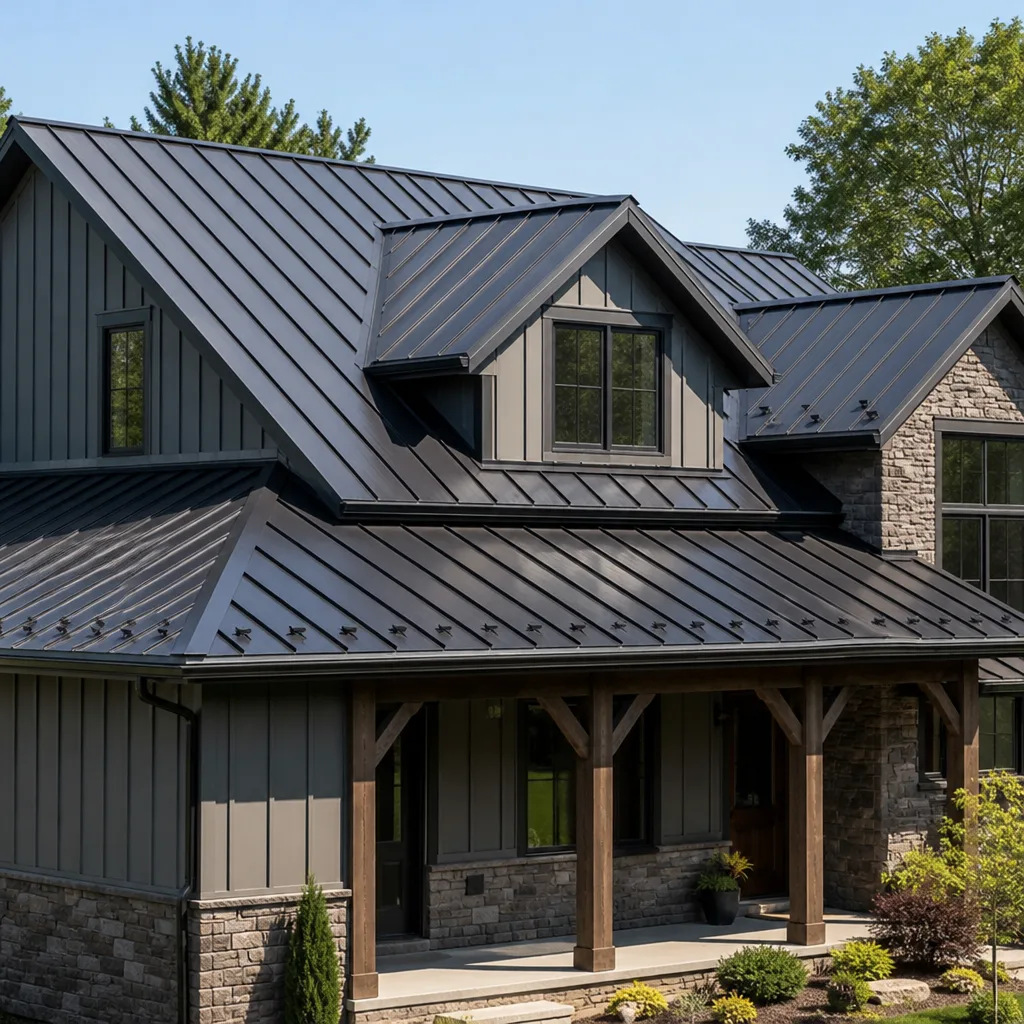 Metal roofing
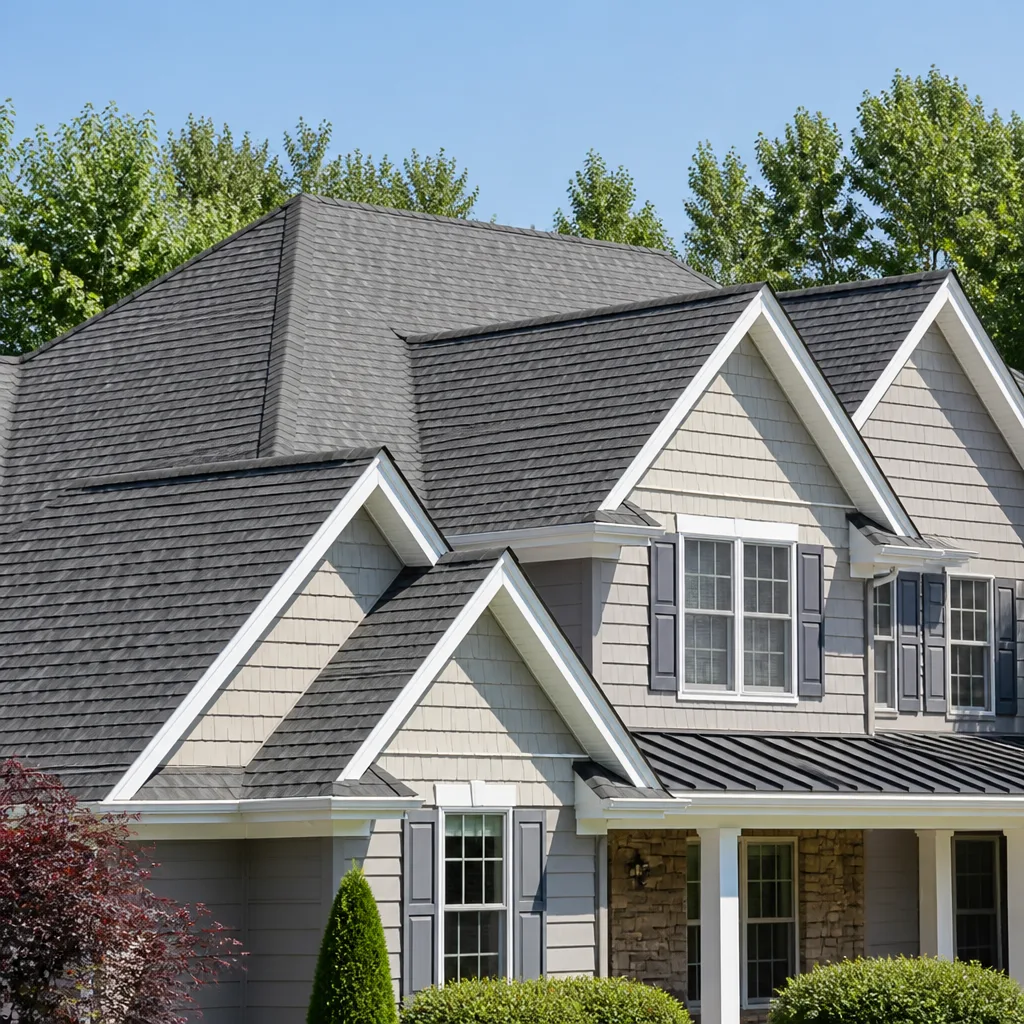 Architectural shingles
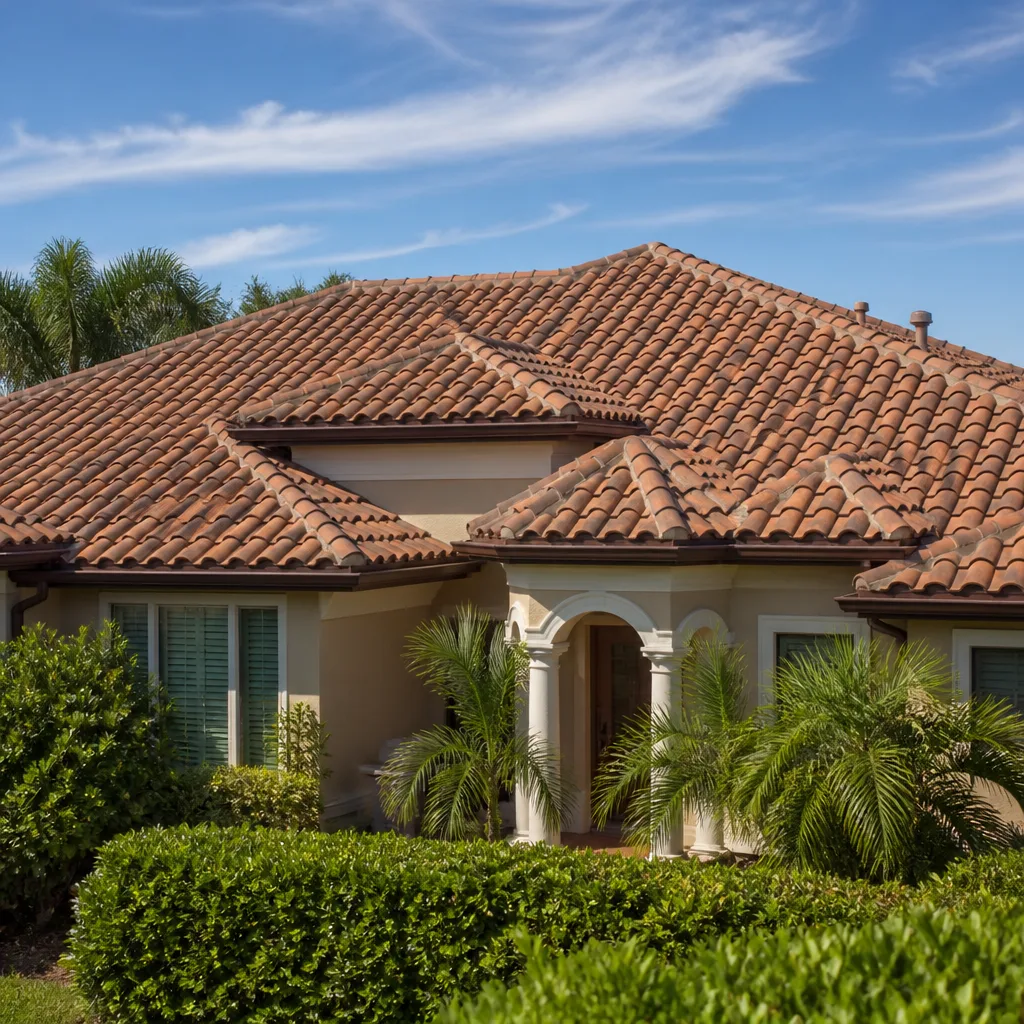 Tile roofing
 GAF
GAF Flat & low-slope
Free roof inspection with deck photos before we talk money - GAF and Owens Corning certified installation
Roofing Cost Breakdown: The San Antonio Homeowner’s Reference for 2026
Two San Antonio homeowners with identical 2,000-square-foot homes got quotes of $8,400 and $14,100 for a shingle roof replacement in the same month. Both quotes were legitimate. The difference wasn’t markup. It was decking replacement allowance, synthetic underlayment versus felt, and a manufacturer’s warranty upgrade. Neither contractor explained any of that. This guide fixes that problem. You’ll learn every line item in a San Antonio roofing quote, what each one actually buys you, and how to compare bids fairly when contractors are scoping entirely different jobs. For Roofing Warning Signs: A San Antonio Homeowner’s Reference Guide and more guides & resources, see our blog.
Quick Answer
A full asphalt shingle roof replacement in San Antonio runs $7,800 to $16,500 for a typical 1,500 to 2,500-square-foot home in 2026, with most standard architectural shingle jobs landing between $9,500 and $12,800. The spread comes from material tier, underlayment grade, decking condition, and warranty level, not contractor markup. Standard repairs run $350 to $1,100 for most issues, while specialty problems like chimney flashing or structural decking work can push higher. Get three written quotes that show line items, not just a bottom-line number.
Styles & brands we work with
Table of Contents
- The Line-Item Breakdown: What Every San Antonio Quote Should Show
- How Material Tiers Change Your Roof’s Cost and Insurance Bill
- The Hidden Line Items That Quietly Inflate Quotes
- Using NRCA Benchmarks to Sanity-Check Any Bid
- Why the Cheapest Roof Is Usually the Most Expensive One
- Calculating Total Cost of Ownership Over 20 Years
- What San Antonio’s Climate and Codes Do to Roofing Prices
- Common Mistakes to Avoid
The Line-Item Breakdown: What Every San Antonio Quote Should Show
A roofing quote in San Antonio is only as useful as the detail it contains. A bottom-line number with no supporting line items tells you nothing about what you’re buying. Here’s what a properly scoped shingle replacement quote should show in 2026, with the price ranges we see across Bexar County.
Materials: $4,200 to $7,800
Asphalt shingles themselves run $95 to $145 per square (a square is 100 square feet of roof area), depending on tier. A 2,000-square-foot home typically has about 20 to 24 squares of roof surface, meaning shingle costs alone land between $2,400 and $4,200. Architectural shingles from brands like CertainTeed and Owens Corning run higher than 3-tab, and impact-resistant options from IKO or Atlas can push material costs up 30 to 40 percent. Add to that underlayment ($250 to $900 depending on synthetic versus felt), drip edge ($100 to $200), ridge cap ($150 to $300), and fasteners and flashing ($150 to $400).
Labor: $3,000 to $5,500
Crews in San Antonio typically charge $55 to $85 per square for tear-off and installation. That means $1,300 to $2,000 in pure labor for a standard 20-square roof. But that number doesn’t include setup, cleanup, and the slower work around penetrations, valleys, and edges. When you factor in those hours, total labor for a standard replacement lands between $3,000 and $5,500. Steep pitches, two-story homes, and roofs with lots of angles add labor time and cost.
Disposal and Dump Fees: $400 to $900
Tearing off an old roof means hauling 3 to 6 tons of material to a landfill. San Antonio dump fees range from $45 to $75 per ton, and the trailer and labor to load and transport add another $150 to $300. If your old roof has more than one layer of shingles, expect disposal to climb toward the top of this range.
Permits and Inspections: $150 to $350
The City of San Antonio requires a roofing permit for full replacements-see Roofing Permits, Codes & Inspections in TX: What You Need to Know for full details. The permit fee is $150 to $300 depending on valuation, and some contractors add a small administrative charge for handling the paperwork and scheduling the final inspection. If a contractor offers to skip the permit, walk away. That savings is not worth it when an unpermitted roof causes problems at resale or with a future insurance claim.
Overhead and Margin: 20 to 35 percent of the job total
Every legitimate roofing company builds overhead into the quote. This covers insurance, licensing, equipment maintenance, office staff, and profit. In San Antonio, expect 20 to 35 percent of the total bid to reflect these costs. A company quoting below that range is cutting somewhere. Usually, the cut is insurance coverage or labor quality.
When you see a quote that matches these line items, you can compare it directly against another quote. When a contractor hands you a single number and nothing else, ask for the breakdown. If they won’t provide it, that tells you what you need to know. We’ve built our Crestview Roofing Co San Antonio home process around written line-item pricing before work starts, so there’s nothing to decode after the fact.
How Material Tiers Change Your Roof’s Cost and Insurance Bill
The shingle you pick changes more than the upfront price. It changes your insurance premium in Bexar County, your roof’s lifespan in Texas sun and hail, and what your home looks like from the street for two decades or more.
3-Tab Shingles: $95 to $110 per square
3-tab shingles are the entry-level asphalt product. They’re flat, single-layer, and rated for 15 to 20 years. In San Antonio’s heat, that lifespan shrinks toward the low end. They’re the cheapest to buy and install, which is why you’ll still see them on rental properties and flips. For a home you plan to keep, the savings rarely hold up. Hail damage claims on 3-tab roofs are more common, and many insurance carriers in Texas now offer reduced discounts for 3-tab installations. The upfront savings of $800 to $1,200 on a full roof disappear fast when premiums stay higher for the life of the roof.
Architectural Shingles: $120 to $145 per square
Architectural shingles, sometimes called dimensional shingles, are the standard for San Antonio homes in 2026. They’re thicker, multi-layered, and rated for 25 to 30 years. Brands like Owens Corning and CertainTeed dominate this tier. The material upgrade adds $1,000 to $2,000 to a full replacement, but the lifespan and wind resistance are measurably better. Most insurance carriers in Bexar County apply a moderate discount for architectural shingles, sometimes enough to offset the material cost within 5 to 7 years.
Impact-Resistant Shingles: $165 to $220 per square
These are Class 4 rated shingles, typically polymer-modified or rubberized from manufacturers like IKO and Atlas. They’re built to absorb hail impact without cracking, which matters in San Antonio’s regular spring hail storms. The material premium is significant, often adding $2,500 to $4,500 to a full replacement. But the insurance premium reduction can be substantial. Many Texas insurers offer 10 to 25 percent premium reductions for Class 4 roofs. On a $2,500 annual premium, that’s $250 to $625 saved per year. Over a 20-year roof life, that’s $5,000 to $12,500 back, which can easily cover the upgrade cost and then some. Ask your insurance agent for the exact discount before you commit to the upgrade, because discounts vary by carrier in Bexar County.
The Hidden Line Items That Quietly Inflate Quotes
The $5,700 gap between those two identical San Antonio homes came from line items most homeowners never see, because most contractors don’t explain them. Here’s what those items look like in a real quote and how to ask about each one before you sign.
Decking Replacement Allowance: $0 to $2,400
The decking is the plywood or OSB layer under your shingles. Texas humidity and decades of nail holes leave some sheets soft, cracked, or delaminated. A good quote includes a per-sheet allowance for decking replacement rather than a low base price that balloons once the crew finds rot. We typically see $55 to $75 per sheet, and a roof with 10 bad sheets will run $550 to $750 extra. The key question to ask is: “What happens if you find more damaged decking than the allowance covers?” A written answer with a per-sheet price is a sign of a straight contractor.
Steep-Slope and Two-Story Charges: $300 to $1,200
Roofs with a pitch above 7:12 require extra safety equipment, slower work, and sometimes a lift. Two-story homes add the same. Some contractors build this into the labor line. Others add it as a separate charge. It’s real work and real risk, so the cost is legitimate either way. Ask for it as a line item so you’re not surprised when the invoice shows up.
Chimney Flashing and Counter-Flashing Upgrades: $250 to $900
Flashing is the metal that seals the joints where your roof meets a chimney, vent pipe, or wall. Old flashing develops gaps that leak slowly over years. A responsible contractor will flag flashing replacement as part of the scope. A cheap contractor will reuse the old flashing and leave you with a new roof that still leaks. If your quote doesn’t mention flashing by name, ask whether it’s included. This is one of the most common sources of the “I replaced my roof and it still leaks” phone call we get. Our Roof Repair in San Antonio team regularly replaces failed flashing that a previous roofer reinstalled to keep the bid low.
Old-Layer Tear-Off Surcharge: $800 to $1,500
San Antonio code allows a maximum of two shingle layers on a roof. If your home already has two layers, a full tear-off of both before the new installation is required. That’s 40 to 50 percent more disposal volume and labor. Some quotes bury this cost in a “full replacement” line that doesn’t itemize the extra layer. Ask directly: “How many layers does my roof have, and is the quote priced for tearing off all of them?”
Using NRCA Benchmarks to Sanity-Check Any Bid
The National Roofing Contractors Association publishes cost data that contractors use internally. You don’t need to become an NRCA member to apply the same logic. Here’s a 4-step method to check whether a San Antonio quote is reasonable, without spending an afternoon on the phone with suppliers.
- Find your roof’s true square count. Don’t measure your home’s footprint. Measure the roof surface itself, including overhangs, garages, and any covered porch. A 2,000-square-foot interior home commonly has 22 to 26 squares of roof. Online satellite measurements from free tools can get you close.
- Multiply the square count by the NRCA’s per-square benchmark for your region. NRCA data for Texas typically places standard architectural shingle replacement at $400 to $550 per square for tear-off and install, including standard materials, labor, and disposal. For a 22-square roof, that’s $8,800 to $12,100. If your quote falls in this band, it’s reasonable. If it’s below $350 per square, something is missing from the scope.
- Add any San Antonio-specific adjustments on top of the benchmark. Steep pitch, two-story height, multiple layers to tear off, and accessory work like chimney flashing or skylights all add to the per-square figure. Add $25 to $50 per square for each of these conditions.
- Compare the adjusted figure to each quote. A quote that’s consistently below the adjusted benchmark isn’t aggressive. It’s incomplete. Either the decking allowance is missing, the underlayment is builder-grade felt, or the warranty is carry-the-manufacturer’s-card and nothing more. A quote far above the benchmark should be higher for a stated reason, like a Class 4 shingle upgrade or a steep-roof surcharge.
The point of this exercise isn’t to catch contractors in some gotcha moment. It’s to give you a range within which a fair price should land. If a quote is outside that range, you know to ask why. The answer tells you more than the number ever will.
Why the Cheapest Roof Is Usually the Most Expensive One
It’s tempting to take the low bid. The math seems simple. But a roof is a 20-year purchase, and the cheapest quote is often the most expensive outcome because of what it omits. Here’s how a low bid in San Antonio typically becomes a $5,000 problem.
First, the low bid builds in the thinnest possible decking allowance. You sign at $8,400. The crew tears off the old shingles and finds 14 sheets of OSB that have gone soft from Texas humidity. The per-sheet change order is $65. That’s $910 added before the new roof even starts. A bid with a realistic allowance would have priced that in from the beginning.
Second, the low bid uses felt underlayment instead of synthetic. Felt costs $150 to $300 less per roof. It’s also more prone to tearing during installation and less water-resistant over its life. That savings of $300 today can become a $1,200 interior ceiling repair after a decade of slow seepage around a nail line.
Third, the low bid often carries no workmanship warranty beyond the manufacturer’s material warranty. If the installer leaves a gap at a valley and the roof leaks in year two, the shingle manufacturer owes you nothing. The installer may be gone. You’re paying out of pocket to fix a roof you already paid for. A one-year written repair guarantee on the workmanship, like the 365-day coverage we include with every job, would have made that call free.
Fourth, the low bid might skip the permit. That saves $200 to $350 upfront. When the home goes under contract years later, a buyer’s inspector flags an unpermitted roof, and the title company asks questions you can’t answer. The discount you took now becomes the concession you give at closing, and those concessions run in the thousands.
The expensive roof isn’t the high bid. It’s the low bid that quietly defers costs until after the contract is signed. The quote that costs more on paper but shows the decking allowance, names the underlayment, and carries a written repair warranty is the one that actually costs less over time. For Roof Replacement in San Antonio, the total cost of ownership is the number worth optimizing, not the upfront bid.
Calculating Total Cost of Ownership Over 20 Years
Upfront cost is only the first number. Total cost of ownership is what you actually pay per year over the roof’s full life. Here’s that math for three common San Antonio scenarios, using 2026 pricing on the same 22-square roof.
Scenario 1: 3-Tab Shingle, Felt Underlayment, No Workmanship Warranty
- Upfront cost: $8,400
- Expected lifespan in San Antonio: 14 to 16 years
- Repairs from storm and leak issues over lifespan: $1,800 to $3,000
- Replacement needed at year 16: $11,000+ in future dollars
- Real cost per year: $900 to $1,100 before insurance effects
Scenario 2: Architectural Shingle, Synthetic Underlayment, 365-Day Workmanship Warranty
- Upfront cost: $11,200
- Expected lifespan in San Antonio: 22 to 26 years
- Repairs over lifespan: $600 to $1,200, mostly covered by warranty in year one and minor maintenance after
- Replacement needed at year 24: $14,000+ in future dollars
- Real cost per year: $620 to $750
Scenario 3: Class 4 Impact-Resistant Shingle, Synthetic Underlayment, Full Warranty Package
- Upfront cost: $14,500
- Expected lifespan in San Antonio: 25 to 30 years
- Repairs over lifespan: $300 to $600, with most hail damage covered by insurance premium savings rather than out-of-pocket
- Insurance savings at 15 percent on a $2,500 annual premium: $5,625 to $7,500 over lifespan
- Real cost per year: $380 to $520 after insurance savings
The $8,400 quote looks $3,000 cheaper than the $11,200 quote on signing day. Over the life of the roof, it costs nearly twice as much per year. When you compare quotes, run the per-year math. The lowest upfront number rarely wins that calculation.
What San Antonio’s Climate and Codes Do to Roofing Prices
San Antonio roofing costs don’t match national averages for a few reasons that have nothing to do with contractor pricing and everything to do with where we live.
San Antonio’s heat is the first factor. We get 100-degree days every summer, and that heat bakes the adhesives and sealants that hold roofing components together. For tips on protecting your investment, see our Seasonal Roofing Care for San Antonio: Year-Round Homeowner’s Guide. Shingle lifespans in our climate run 20 to 25 percent shorter than the manufacturer’s stated warranty, which is based on more moderate conditions. That means the material tier you choose matters more here than it does in cooler cities.
Hail is the second factor. San Antonio sits in one of Texas’s active hail corridors, with spring storms regularly producing hail large enough to dent cars and crack shingles. Insurance carriers price that risk into premiums, which is why the Class 4 shingle upgrade pays off faster here than in most markets. When you’re comparing material costs, ask your agent about the hail discount, not just the general premium.
San Antonio’s code requirements add a third layer of cost that out-of-state pricing benchmarks miss. The city requires permits for roof replacements, which means permit fees and inspection scheduling are on every legitimate quote. The city also enforces a two-layer maximum for asphalt shingles, so homes with two existing layers carry a mandatory tear-off surcharge that a one-layer home doesn’t. These costs are real, they’re required, and they belong on your quote as line items. Any contractor who skips them is skipping your legal protection along with the fee.
For Roof Installation in San Antonio, the local market also affects labor pricing. Roofing crews in Central Texas are in consistent demand, and that demand keeps labor rates at the upper end of the Texas range. The cost is fair. It’s just not the national average.
Common Mistakes to Avoid
- Comparing bids without looking at the scope list. Three quotes can vary by $5,000 on the same home because they’re pricing different jobs. Compare the line items side by side before comparing the total.
- Assuming the lowest bid is the best value. Low bids often omit decking allowances, use builder-grade felt, and skip workmanship warranties. The savings come back as change orders and repair bills later.
- Skipping the permit to save a few hundred dollars. An unpermitted roof creates problems at resale and can complicate future insurance claims. The savings never outlive the risk.
- Not asking about existing layers before signing. A two-layer tear-off adds $800 to $1,500 to a quote that assumed one layer. Ask the contractor to confirm layer count in writing.
- Choosing shingles based on price alone. The right shingle for a San Antonio roof considers hail risk, insurance discounts, and lifespan, not just the upfront material cost in the quote.
- Accepting a quote with no workmanship warranty. A manufacturer’s warranty covers product defects. It does not cover installer errors. If the quote doesn’t include a written repair guarantee, ask what happens when the crew makes a mistake.
- Ignoring flashing condition during a replacement quote. A new roof over old flashing still leaks. Confirm flashing replacement is included as a line item, not an afterthought.
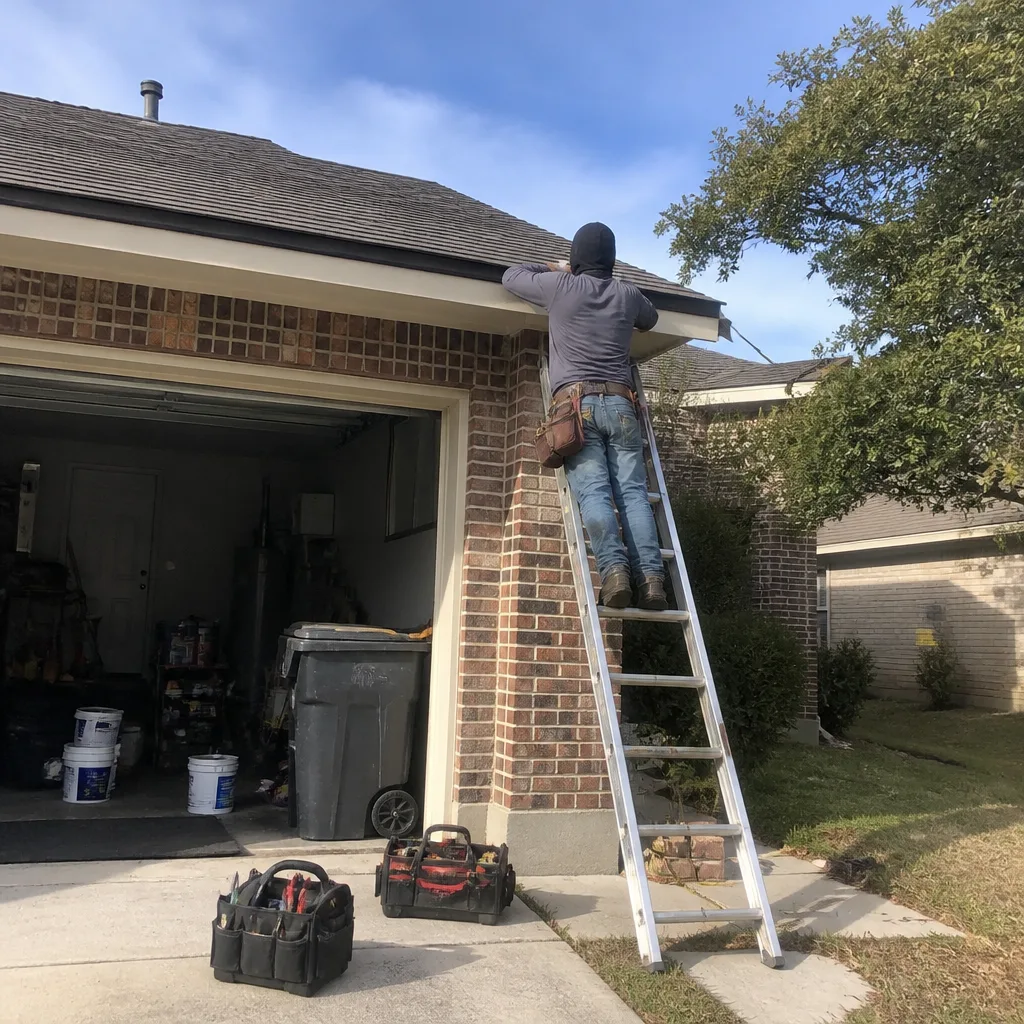
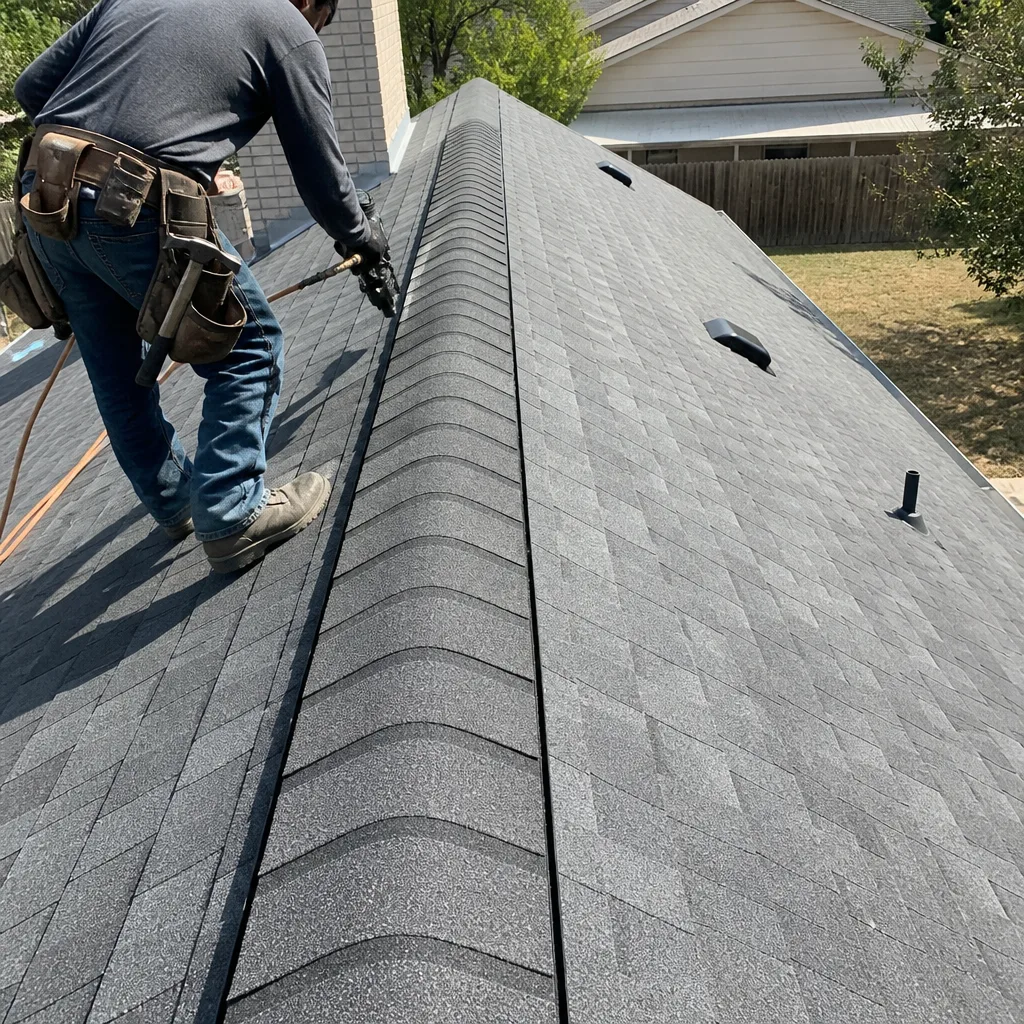
See the difference
 Before
 After
After Before
 After
After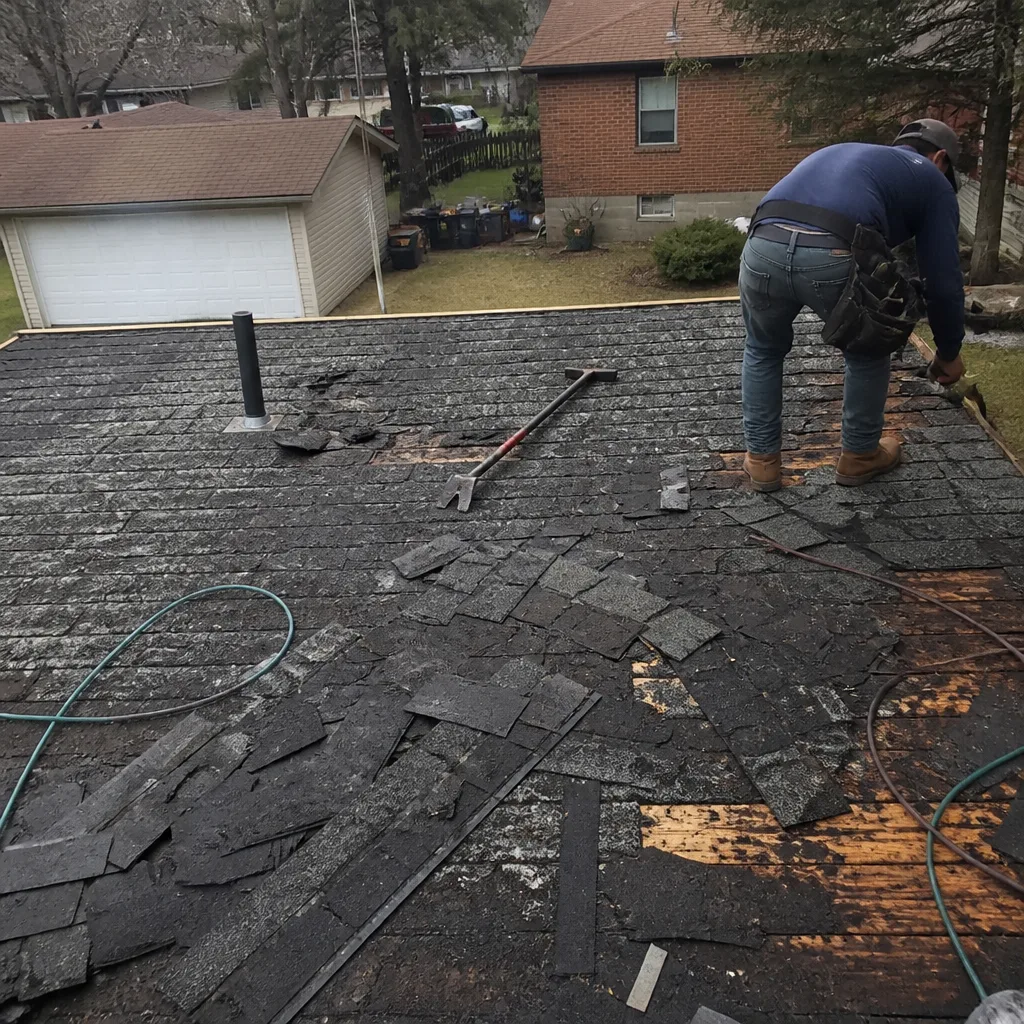 Before
 After
AfterWhen to Call a Professional
Some roofing work is genuinely dangerous, and no guide should suggest you handle it yourself. If your roof has a pitch above 6:12, working on it without safety equipment is a serious fall risk. Roof work near electrical service entrances, skylights, or rot-damaged decking carries additional hazards. And if you’ve noticed water stains on an interior ceiling or signs of sagging between rafters, the problem is structural and belongs in the hands of a trained roofer. For just about everything else, the decision is one of time and access rather than safety, but the risks of a wrong diagnosis are real. A leak around a chimney might be flashing, or it might be a cracked crown that a roofer can weld and seal in an hour but a patch job will never fix. Crestview Roofing Co San Antonio offers free estimates in San Antonio. Call (361) 209-8857 and we’ll give you a written price before any work starts.
Frequently Asked Questions
A full asphalt shingle replacement on a standard San Antonio home runs $7,800 to $16,500 in 2026, with most architectural shingle jobs landing between $9,500 and $12,800. The exact figure depends on your roof’s square count, material tier, decking condition, and whether the quote includes line items like underlayment grade and flashing replacement. Call (361) 209-8857 for an exact quote with every line item shown.
Most standard roof repairs in San Antonio run $350 to $1,100 in 2026, covering issues like missing shingles, small flashing gaps, nail pops, and minor valley leaks. Specialty repairs like chimney flashing replacement, steep-slope work, or structural decking repair can run higher. Call (361) 209-8857 and we’ll give you a written price for the repair before work starts.
It can, but only for damage that could not be seen before the old shingles were removed, like rotted decking or failed pipe collars. A straight contractor builds a realistic decking allowance into the quote and gives you a written per-sheet price so you know exactly what additional damage will cost. We put those numbers in writing before we start on your roof. Call (361) 209-8857 for more detail.
Yes. The City of San Antonio requires a permit for roof replacements, and the permit fee and inspection scheduling belong on your quote as line items. A contractor who suggests skipping the permit is saving you a couple hundred dollars and exposing you to resale and insurance problems later. Call (361) 209-8857 for more information.
A standard single-story shingle replacement usually takes 1 to 2 days of on-site work. Two-story homes, steep-slope roofs, and jobs with significant decking replacement can take 3 or more days. Weather delays are common in San Antonio’s spring and fall storm seasons. Call (361) 209-8857 and we’ll give you a realistic timeline for your specific roof.
Yes, and the savings are often substantial. Many Texas insurance carriers apply a 10 to 25 percent premium reduction for Class 4 impact-resistant shingles, which can return $5,000 to $12,500 over a 20-year roof life depending on your premium. Ask your agent for the exact discount before you commit to the upgrade, since discounts vary by carrier. Call (361) 209-8857 if you want our help comparing shingle options for your home.
The Bottom Line
Roofing cost in San Antonio is a question of scope, not guesswork. The $8,400 and $14,100 quotes from the opening are both real because they price different jobs. The homeowner who can read a line item can compare them fairly. Know your square count, confirm your layer count, ask about decking allowance, name the underlayment, and check for a written workmanship warranty. Run the per-year cost across a 20-year lifespan rather than judging the upfront number alone. The right roof for your home is the one that costs the least per year, not the least on signing day.
Written by Dylan Pace, Owner at Crestview Roofing Co San Antonio, serving San Antonio since 2000.