
Last updated October 17, 2026
 Metal roofing
 Architectural shingles
 Tile roofing
 GAF
GAF Flat & low-slope
Free roof inspection with deck photos before we talk money - GAF and Owens Corning certified installation
Seasonal Roofing Care for San Antonio: Year-Round Homeowner’s Guide
February in San Antonio averages 62°F. July averages 95°F. That 33-degree swing happens every single year and causes asphalt shingles to expand and contract in ways that loosen fasteners, open seams, and crack sealant, none of which shows up as an obvious leak until the damage is already structural. This guide, along with The Complete Guide to Roofing in San Antonio, is built around San Antonio’s actual weather patterns, not a generic national calendar. You’ll learn exactly when to inspect, what to look for, what repairs cost in this market, and how to keep a maintenance log that protects you when you file an insurance claim.
Styles & brands we work with
Quick Answer
San Antonio roofs face two real threats: spring hail season from March through May and the long thermal stress of summer from June through September. The smartest maintenance schedule is a pre-storm inspection in late February, a post-summer damage assessment in October, and small sealed repairs done in fall before rare freeze events turn minor wear into emergency leaks. Most standard repairs in San Antonio run $400 – $900, and catching issues early typically costs a fraction of what emergency winter repairs cost.
Table of Contents
- Why the San Antonio Roofing Calendar Is Different
- The Month-by-Month San Antonio Roofing Calendar
- Pre-Storm Inspection: What to Check in February and March
- Hail Season in San Antonio: March Through May
- Summer Thermal Stress: June Through September
- Post-Summer Inspection: October Before It Cools Down
- What San Antonio’s Rare Freeze Events Do to Your Roof
- How to Keep a Seasonal Roof Maintenance Log
- Common Mistakes to Avoid
- When to Call a Professional
- Frequently Asked Questions
- The Bottom Line
Why the San Antonio Roofing Calendar Is Different
Most roofing maintenance guides you’ll find online are written for places with real winters. They talk about ice dams, snow load, and freezing gutters. San Antonio doesn’t have those problems. What San Antonio has is a specific combination of hail, UV exposure, and heat that damages roofs in ways homeowners from other regions rarely see.
Here’s what makes our climate unique:
- San Antonio is in the heart of Texas hail alley. According to the National Weather Service, Bexar County averages roughly 4 to 6 hail events per year, with the most damaging storms concentrated between March and May. Some of these storms produce hail large enough to total a roof.
- Summer UV indexes routinely hit 10+ (very high to extreme) for weeks straight. That ultraviolet radiation breaks down the asphalt in shingles, causing granule loss. Granules are the stone coating that protects the asphalt from direct sun. Once granules are gone, the shingle bakes.
- Roof surface temperatures in July and August can reach 160 – 170°F even when the air temperature is 98°F. That constant thermal cycling is what loosens nail fasteners over 5 to 10 years, especially on older roofs.
We’ve inspected thousands of roofs across San Antonio, from Stone Oak to Alamo Heights to Helotes. The damage pattern is consistent: roofs fail faster on the west and south-facing slopes because those surfaces take the most afternoon UV load. If one side of your roof looks noticeably barer than the other, thermal stress is the likely cause.
Planning your maintenance around hail season and summer heat, instead of around some generic “spring and fall” schedule, is how you extend roof life in San Antonio. A roof that gets inspected in late February and again in October will almost always outlast one that gets checked randomly.
The Month-by-Month San Antonio Roofing Calendar
Here is the schedule we recommend to San Antonio homeowners. It’s built around the city’s actual weather data, not a national marketing calendar.
- January: Observation month. Check ceilings and attic spaces after any cold front. Look for condensation on the underside of the roof deck, which signals ventilation problems. Spot-check the roof from the ground with binoculars after wind events.
- February: The big pre-storm month. Schedule your professional inspection now. Clear gutters. Seal any small pipe boot cracks or exposed nail heads. Trim overhanging tree limbs that could scrape shingles during March windstorms.
- March: Hail season begins. Check your insurance policy’s wind and hail deductible and know what it is. Take dated photos of all roof slopes now, before any storm, so you have a “before” record for any potential claim.
- April: Peak hail month in Bexar County. After any hail event that leaves dings in your car or marks on your patio furniture, get a professional roof inspection. Small hail dents in shingles are not always visible from the ground and can lead to premature granule loss.
- May: End of the primary hail window. Clear any accumulated tree debris from roof valleys, which trap moisture against shingles. Re-check attic ventilation before the serious heat arrives.
- June through August: Thermal stress season. No one should be doing avoidable roof work in this heat. Focus on attic ventilation, sun damage monitoring, and keeping a written log of visible wear on the west slope.
- September: Start watching for the first cold front. Check caulking and sealant around penetrations before the temperature swing makes old sealant shrink and crack.
- October: The big post-summer inspection month. Assess UV and heat-cycling damage. Complete any repairs now, while temperatures are comfortable and materials are easier to work with. Do not wait until November.
- November: Pre-freeze prep. San Antonio freezes are rare, but they happen. Seal small openings now. Check flashing around chimneys and vents.
- December: Monitor after any freeze. Freeze-thaw cycles can turn small cracks into active leaks. Inspect the attic after any overnight dip below 32°F.
Pre-Storm Inspection: What to Check in February and March
Late February and early March are the most important weeks of the year for a San Antonio roof. This is your window to find and fix minor problems before spring storms turn them into big ones. A roof that is already compromised heading into hail season is far more vulnerable to severe damage.
Here’s the specific pre-storm checklist we use when inspecting roofs in San Antonio in February:
- Pipe boots. The rubber collar around plumbing vents. San Antonio’s sun bakes these until they crack, usually within 6 to 8 years. A cracked pipe boot is one of the most common leak sources we find. Replacement is typically $250 – $400.
- Flashing, the metal strips that seal joints around chimneys, skylights, and walls. Look for lifted edges, rust, or dried-out sealant. Wind-driven rain gets behind compromised flashing during spring storms.
- Gutters and downspouts. Even if you have gutter guards, San Antonio’s oak and pecan trees fill gutters fast in late winter. A clogged gutter during a heavy March thunderstorm sends water over the back edge and into the fascia and soffit.
- Nail pops and exposed fasteners. Years of expansion and contraction push nails up through shingles. Each exposed nail head is a potential water entry point.
- Tree limbs. Anything hanging within 3 to 4 feet of the roof surface gets whipped by March wind and sandblasts granule off shingles. Trim it in February.
- Valleys. The V-shaped channels where roof planes meet. These carry the most water during rain. Clear them of leaf litter and check for wear where the metal valley flashing is exposed.
What this pre-storm work costs in San Antonio: Sealing exposed fasteners and minor caulk work typically runs $200 – $400. A pipe boot replacement runs $250 – $400. Small flashing repairs usually run $350 – $600. Compare that to what an emergency leak repair costs after a storm, often $800 – $1,500 or more once interior drywall and insulation are involved.
This is also the time to take dated photos of every roof slope from the ground. If you file a hail claim later, your insurer will ask for proof that the damage was not pre-existing. Dated photos taken before storm season are exactly the kind of documentation that protects you.
Hail Season in San Antonio: March Through May
Hail season is when San Antonio homeowners get an expensive crash course in insurance deductibles. March through May brings most of the year’s hail events, and the storms that produce them can move through fast, often in the late afternoon or evening.
Here’s what you need to know about hail damage in San Antonio specifically:
- Hail does not have to crack a shingle to cause damage. Impact disrupts the granule adhesion to the asphalt mat. A bruise, a soft spot you can feel with your thumb, can lead to granule loss and premature shingle failure even if there’s no visible crack. Insurers recognize this as covered damage when properly documented.
- Hail damage is directional. It hits one or two slopes, not the whole roof. After a storm, the roof surface facing the incoming storm front takes most of the hits. A good claim adjuster checks every slope.
- Gutters, downspouts, window screens, air conditioner fins, and even patio furniture all tell a story. If your car has dimples from the storm, your roof took similar hits. We look for spatter marks, small circles of displaced algae or dirt on the roofing surface, as evidence of impact.
What to do after a San Antonio hail event:
- Take photos of everything within an hour if it’s safe: roof from the ground at multiple angles, gutters, screens, car, patio.
- Note the date and approximate time of the storm. Your insurer will want this.
- Call a roofer for an inspection before calling your insurer. This is important: a roofing inspection will tell you whether the damage is significant enough to justify a claim, or whether it’s minor bruising that is within normal wear. Filing a claim that gets denied still shows up on your record.
- Do not pay a “contractor” who knocks on your door after a storm without checking their license, insurance, and local references. Hail storms bring out of town chasers to San Antonio every year.
If you already had a roof repair in San Antonio done before the storm, and the same area is involved, that repair history matters. Documented prior repairs help establish what is storm damage versus what is normal aging.
Summer Thermal Stress: June Through September
Summer is not the season to schedule voluntary roof work. It is the season that silently ages your roof. The physics is simple: asphalt shingles expand in heat and contract at night. Over years, that movement loosens nails, opens lap seams, and cracks brittle sealant. None of that damage happens all at once. It accumulates.
Here’s what June through September does to a San Antonio roof:
- Granule loss accelerates in direct proportion to UV intensity. San Antonio sits at about 650 feet above sea level with roughly 220 sunny days a year. The UV load is high even by Texas standards. Granules protect the asphalt from this UV radiation. Once granule loss reaches a critical point, the shingle degrades rapidly.
- West and south-facing slopes age faster. In Stone Oak and other northside neighborhoods with mature oaks, east slopes may look great while west slopes are visibly bare. That’s not a manufacturing defect, it’s directional thermal stress.
- Attic temperatures in San Antonio can exceed 140°F if ventilation is inadequate. The roof surface absorbs this heat and re-radiates it downward into the attic and living space. A properly ventilated attic reduces roof surface temperature and slows shingle aging. It also takes serious load off your A/C.
What we check for in summer inspections at Crestview Roofing: attic ventilation airflow, granule buildup in gutters (an early sign of shingle wear), evidence of heat damage around roof penetrations, and roof underlayment condition at the eaves. The summer is also when we most often see sealant that was fine in March turn crumbly and cracked by August.
One thing that surprises San Antonio homeowners: a roof replacement done in summer is not automatically a bad decision, as long as the contracting company has a process for protecting workers and materials. The bigger issue is that most San Antonio homeowners wait until a leak forces their hand in July, when quality crews are booked out. If you think your roof is in its last year or two, get on a schedule in spring, not in the middle of peak heat-our step-by-step guide to hiring a roofing contractor in San Antonio can help.
Post-Summer Inspection: October Before It Cools Down
October is our second most important month of the year. By then, San Antonio’s roof surfaces have just been through roughly 18 weeks of extreme thermal cycling. The damage is there, but cooler weather hasn’t yet masked it. Here’s why timing matters: when temperatures drop into the 40s and 50s, some heat-related damage becomes harder to identify. Sealant shrinks and retracts in the cold, temporarily closing gaps that were open in August. A crack visible in October might look sealed in December.
Here’s what the October post-summer assessment should cover:
- Compare slopes. Look at the west and south slopes versus the north and east. Any visible difference in granule coverage or shingle color? A moderate difference is normal after several years. A stark difference means the exposed slopes are degraded and nearing replacement.
- Check all sealant and caulking. Heat degrades sealant at an accelerated rate. This is the specific location we find most October leaks: around skylights, chimneys, bathroom vents, and the PVC pipe boots for plumbing.
- Test pipe boots by hand. The rubber should still be pliable. If it cracks when you press it, replacement is due now. Once cracked, it stays cracked through the winter.
- Look for lifting shingles along the edges and rake ends. Heat softens the asphalt, and wind gusts, especially from summer thunderstorms, can work shingles loose. October is the time to nail them back down before winter winds arrive.
- Clean out valleys and gutters again. Summer is not a big leaf season in San Antonio, but construction debris, dirt, and windblown material still settle into valleys. Water pooling in a valley for days after a rain will eventually find a seam.
Why we recommend doing this in October specifically: weather is mild enough for safe, precise work, roofing materials are within their ideal temperature range for proper sealing, and you’re ahead of the November – December window when freeze risk and holiday scheduling delays kick in. A roof replacement in San Antonio that gets scheduled in October is typically completed faster and at a more predictable price than one pushed into the cold-weather stretch.
What San Antonio’s Rare Freeze Events Do to Your Roof
San Antonio does not get hard winters, but we do get freeze events. February 2021 proved that in devastating fashion. When temperatures drop below freezing for 24 to 72 hours, a roof that has pre-existing hairline cracks, small open seams, or degraded sealant takes damage far out of proportion to the cold itself.
Here’s the specific mechanism:
- Water expands roughly 9% when it freezes. If water had already worked its way into a small crack around a pipe boot or a skylight, that freeze pushes the crack wider. Each freeze-thaw cycle opens the gap a little more.
- Sealant becomes brittle in cold temperatures. The stretching that happens to roofing materials during freeze events, especially at metal-to-shingle transitions, is enough to snap already-weakened sealant.
- Ice damming is rare in San Antonio, but when it happens, it concentrates melt water at the eaves, exactly where the roof deck is most exposed. We saw evidence of this on dozens of older roofs after the 2021 freeze.
The lesson: the cost to seal small cracks around pipe boots and flashing in October is typically $200 – $500. The emergency repair bill for a residential leak that opens during a freeze event is often $1,500 – $3,000 or more once you factor in interior damage, drywall replacement, and emergency service fees. This is one of the clearest cases in home maintenance where a few hundred dollars in October beats several thousand in February.
If your roof is older than 12 to 15 years, or if you know it has existing small leaks you’ve been tolerating, address them in October or November at the latest. We cannot understate how consistently this plays out in San Antonio: roofs that were already wearing thin fail during or immediately after freeze events, not randomly.
How to Keep a Seasonal Roof Maintenance Log
A roof maintenance log is a simple document that records observations, actions, and expenses over time. It does two things for San Antonio homeowners. First, it helps you track whether your roof is degrading slowly or accelerating. Second, it gives you documentary evidence for insurance claims and for any future roofing work with Crestview Roofing Co San Antonio.
Here’s a simple system that takes about 20 minutes per season:
- Create a folder on your phone or computer labeled “Roof” with subfolders for each year. Every photo you take, every invoice you receive, every inspection report goes in that year’s folder.
- Set recurring calendar reminders for the last Sunday of February and the last Sunday of October. These are your inspection reminders. If you’re not comfortable getting on a ladder, schedule a professional inspection during those windows instead.
- Use a simple three-column format for each inspection: Date, Observation, Action Taken. “February 23: pipe boot cracked. Replaced same week. Invoice #4456.” That’s all it takes.
- Keep every receipt and invoice. Even for $200 sealant jobs. If you file a hail claim and the insurer claims the damage is old, documented maintenance history is your best defense that you’ve been a responsible homeowner.
- If a professional roofer does an inspection, ask for a written summary. Not a verbal “you’re fine.” If they find specific issues, have them write it down and sign it. This creates a record you can show an insurance adjuster later.
We have seen this document save San Antonio homeowners thousands of dollars in disputed claims. An adjuster reviewing a file with three years of dated photos and maintenance records is far more likely to approve a hail damage claim than one reviewing a file with nothing.
Common Mistakes to Avoid
- Waiting until a leak appears to inspect the roof. By the time water drips through the ceiling, the structural damage above it has been developing for months. You’re always paying more to fix a leak than you would have paid to prevent it.
- Ignoring hail because “the shingles don’t look cracked.” Hail bruising is invisible from the ground and often invisible from the surface. A professional inspection after a storm is the only way to know.
- Filing a hail insurance claim without a prior professional inspection. If the damage is minor bruising that doesn’t meet the claim threshold, you’ve now recorded a claim for nothing. Know what you’re dealing with first.
- Doing repairs in July when you could have done them in March or October. Materials behave differently in extreme heat. Sealants need specific temperature ranges to cure properly. And you’ll wait longer for a crew in peak summer.
- Using a handyman for flashing and sealant work. Flashing details are where most residential roof leaks originate in San Antonio. Amateur flashing work, even if it looks neat, is the most common cause of repeat leaks we find on inspection calls.
- Not clearing gutters before spring storms. A clogged gutter sends water across the fascia board and into the roof edge. Every gutter we’ve ever cleaned in February was full. Every single one.
- Paying a door-knocker after a hail storm without verifying their credentials. Storm chasers descend on San Antonio after every major hail event. Check licensing, insurance, and ask for a local physical address. If they don’t have one, walk away.
When to Call a Professional
You should call a professional roofer in San Antonio for any of the following: water stains on any ceiling or wall, visible granule loss severe enough to expose the asphalt mat, hail dents on gutters, downspouts, or air conditioning fins after a storm, any roof penetration showing cracked sealant, or any roof older than 15 years that hasn’t had a documented inspection in the last 2 years. If you’re not comfortable on a ladder, that’s also a reason to call. A fall from a roof is far more expensive than an inspection. Crestview Roofing Co San Antonio offers free estimates in San Antonio, call (361) 209-8857.
Frequently Asked Questions
We recommend twice a year: once in late February before hail season, and once in October after summer thermal stress has peaked. Homes with older roofs (12+ years) or with significant tree cover may benefit from a third check after any major hail or wind event. A typical San Antonio roof inspection from a licensed roofer takes 45 to 90 minutes.
Most seasonal maintenance tasks run $200 – $500 for small items like pipe boot replacement or sealant touch-ups, $350 – $600 for flashing repairs, and $150 – $300 for a gutter cleaning if done as part of a roof service. An inspection alone is typically free or nominal. Budget $300 – $700 per year for routine preventative maintenance on a typical San Antonio home. Call (361) 209-8857 for an exact quote, estimates are free.
No. Mild hail events cause surface granule loss that does not compromise the roof’s waterproofing. Significant hail damage, meaning widespread bruising, cracked shingles, or damage to the underlayment, typically requires a roof replacement in San Antonio. The only way to know is a professional inspection, ideally before you file a claim.
Certain ground-level tasks, like clearing debris from valleys, noting visible damage, and keeping a maintenance log, are safe for most homeowners, though DIY vs professional roofing is a decision worth weighing carefully. Anything requiring ladder access or walking on the roof surface should be left to professionals. The medical bills from a fall far exceed the cost of a professional inspection.
In San Antonio’s climate, a properly installed architectural asphalt shingle roof using quality materials like Owens Corning, CertainTeed, or Atlas typically lasts 15 to 20 years. Poorly ventilated attics, skipped maintenance, and repeated hail damage can cut that to 10 to 12 years. A well-maintained roof with documented annual care can push 22 to 25 years.
No. Homeowners insurance covers sudden and accidental damage from covered events like hail and wind. It does not cover routine maintenance, neglect, or gradual wear. This is exactly why the maintenance log is so important: it protects you when you do file a claim by establishing that the roof was properly maintained and that the damage you’re claiming was not pre-existing. For a full roof installation in San Antonio after an approved claim, your documentation makes the process significantly smoother.
The Bottom Line
San Antonio roofs don’t fail on a national calendar. They fail during hail season and after years of summer heat. The homeowners who spend the least on roofing in San Antonio are the ones who invest in two annual inspections, February and October, and who fix small problems before storms turn them into big ones. Pipe boots, flashing, and sealant are cheap to maintain and expensive to ignore. Document everything. Photograph everything. When you need a professional, get a written price before work starts and a written guarantee on the work, and explore our more guides & resources for additional help. That’s the standard every San Antonio homeowner should expect.
Written by Dylan Pace, Owner at Crestview Roofing Co San Antonio, serving San Antonio since 2000.
See the difference
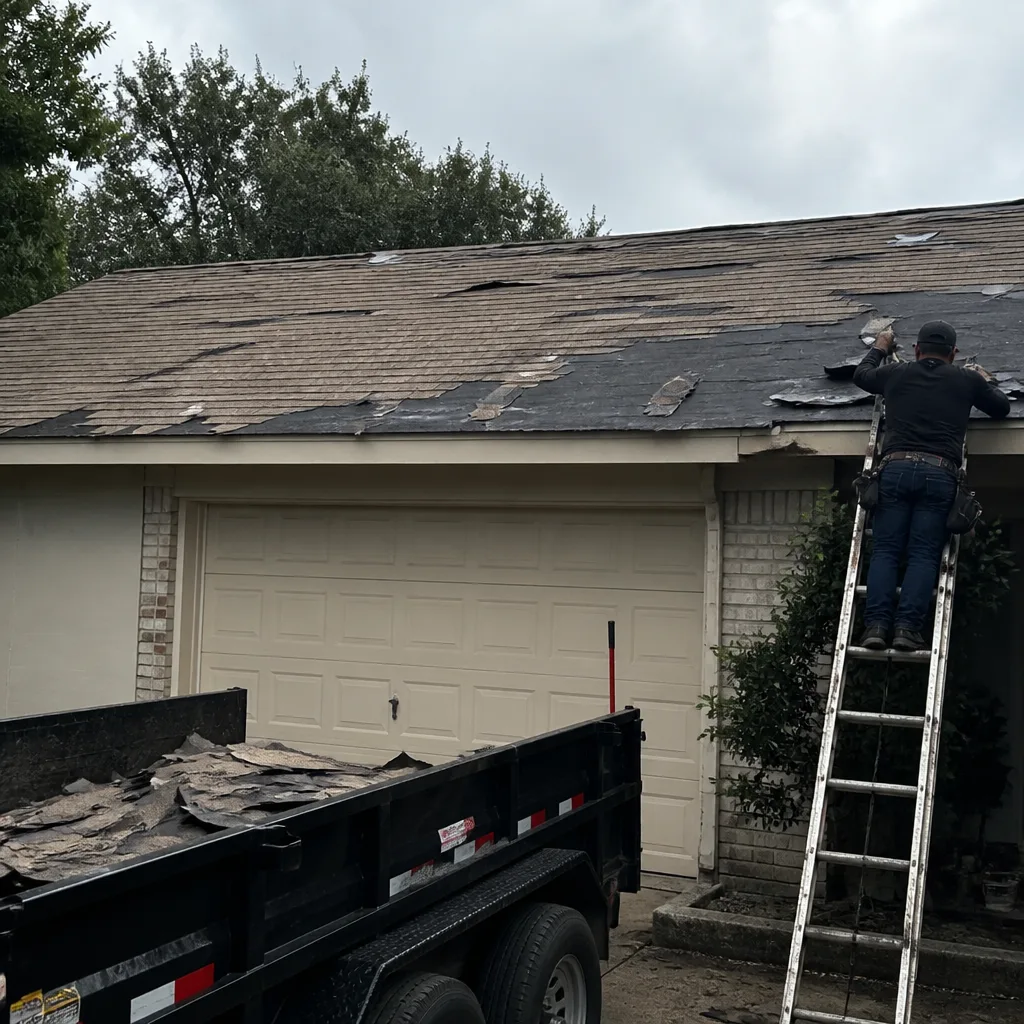 Before
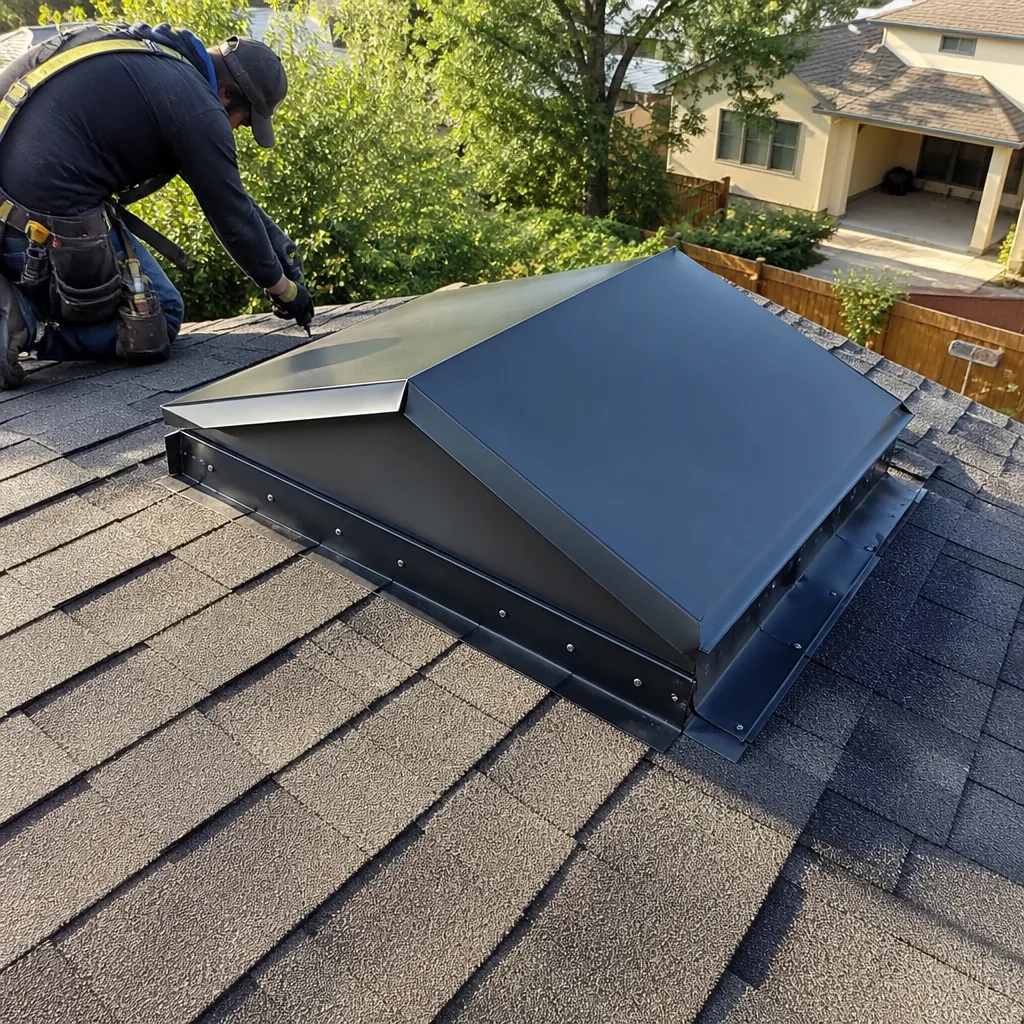 After
After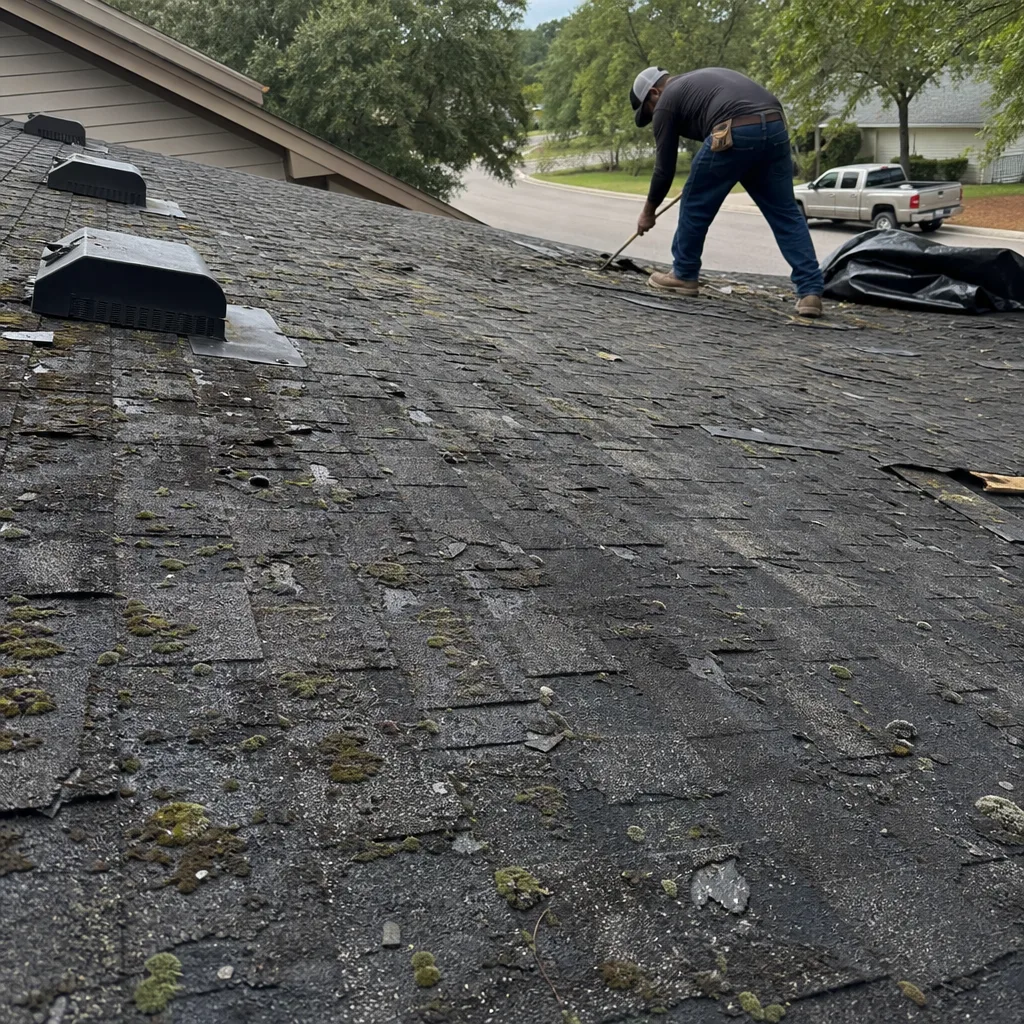 Before
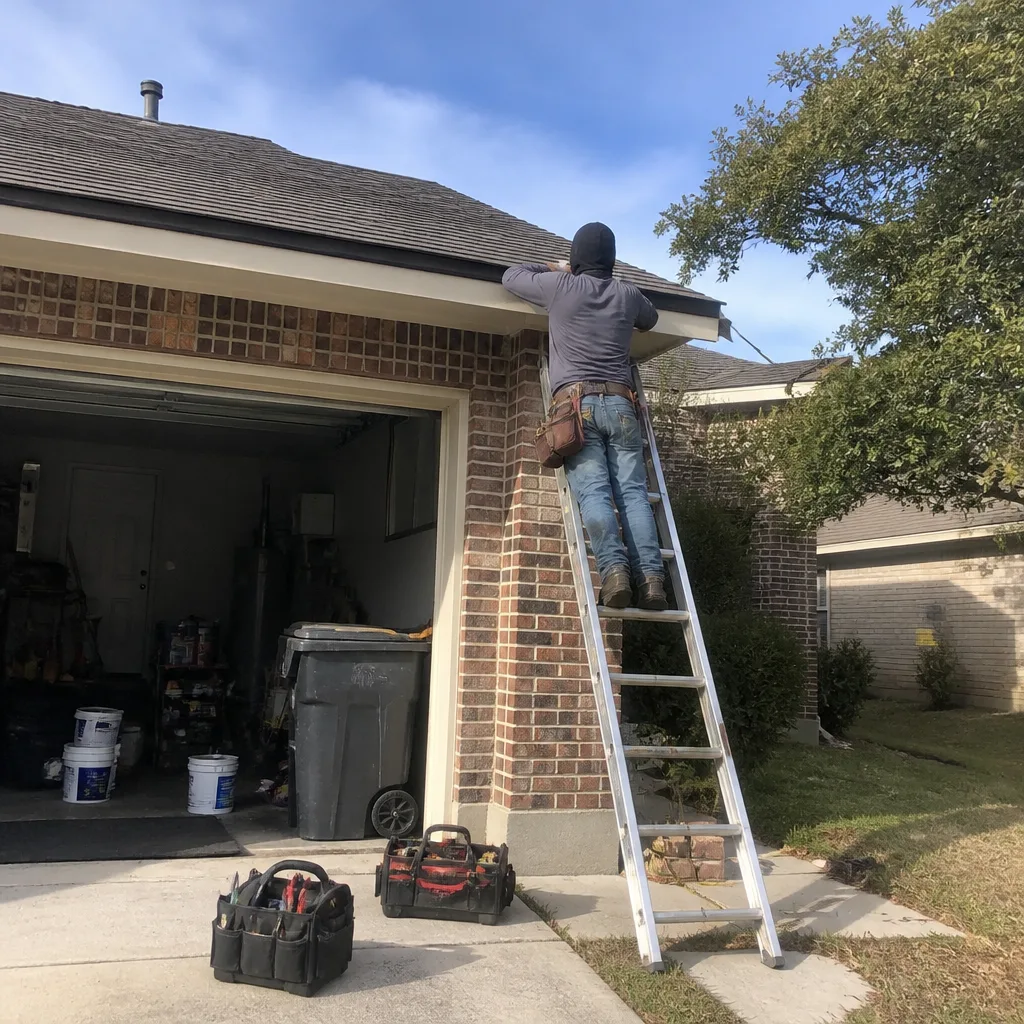 After
After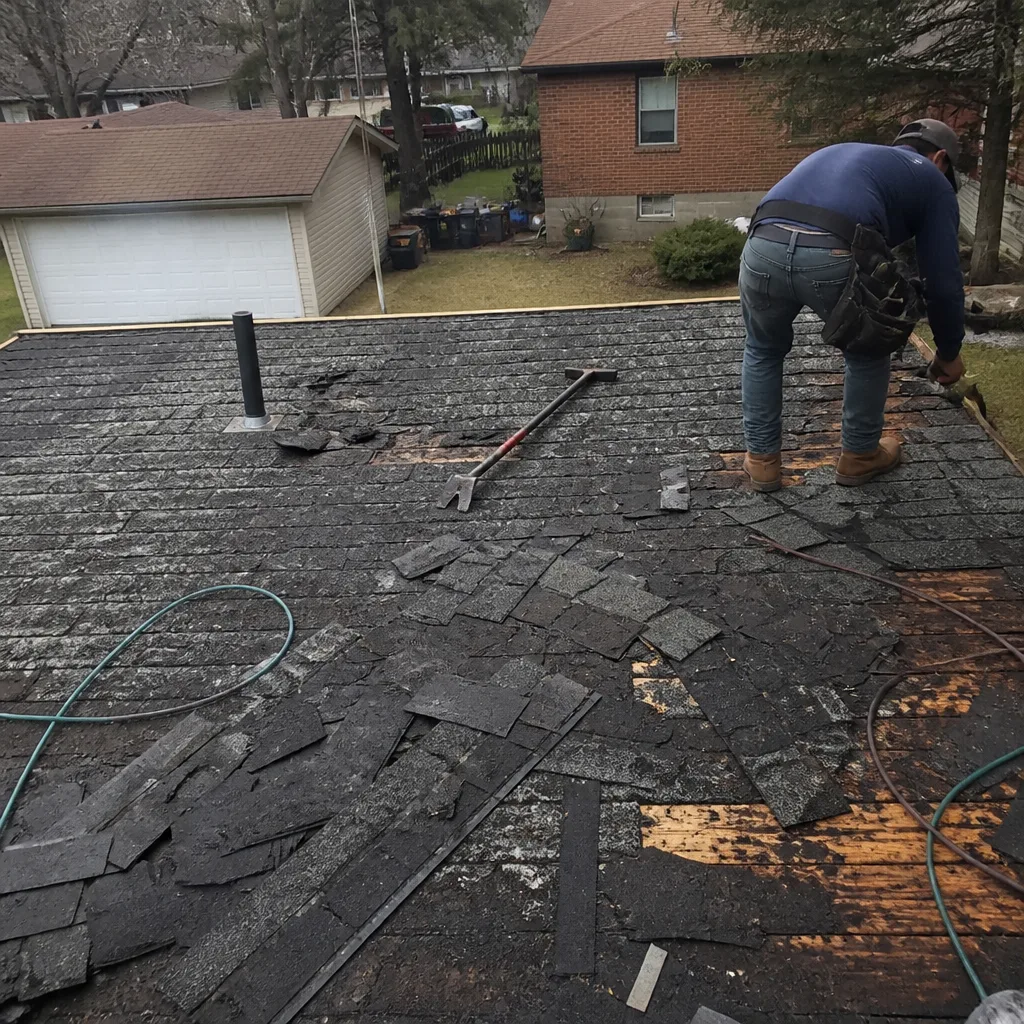 Before
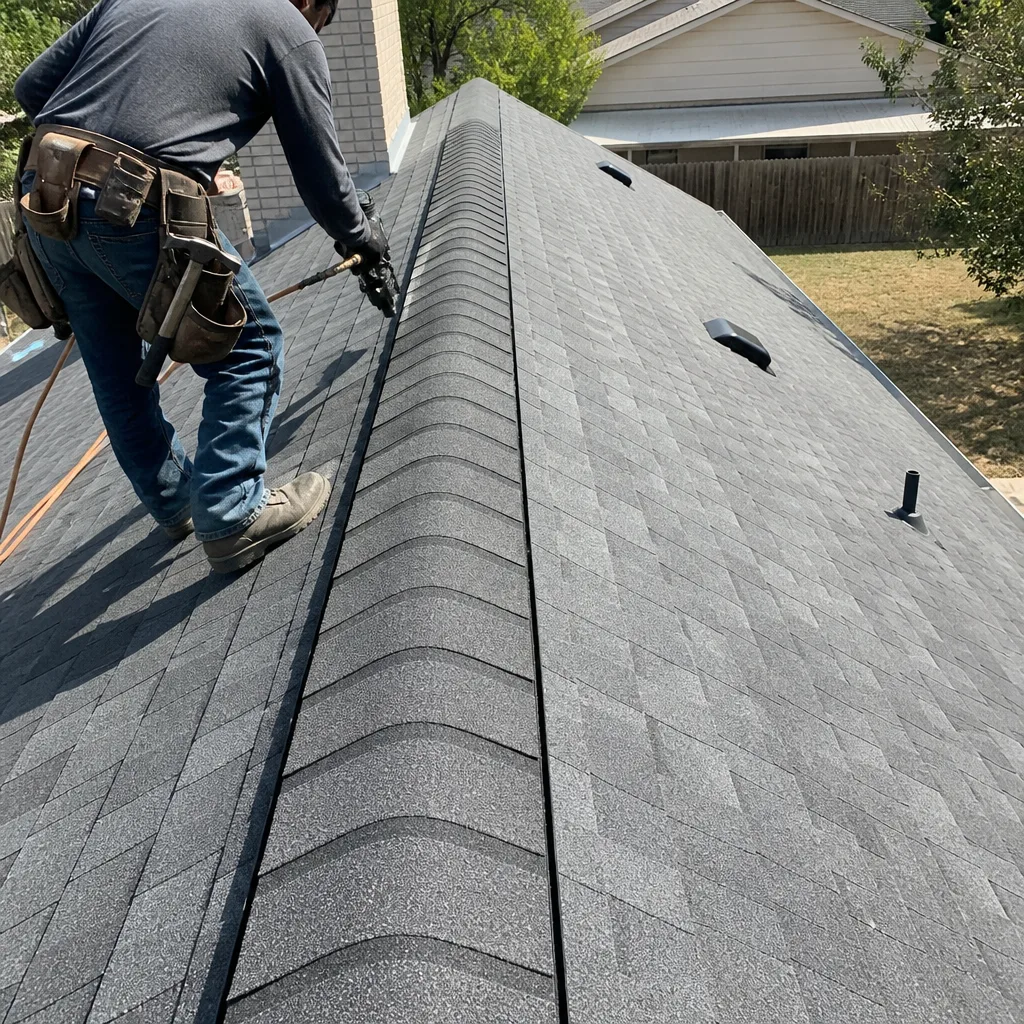 After
After