
Last updated October 17, 2026
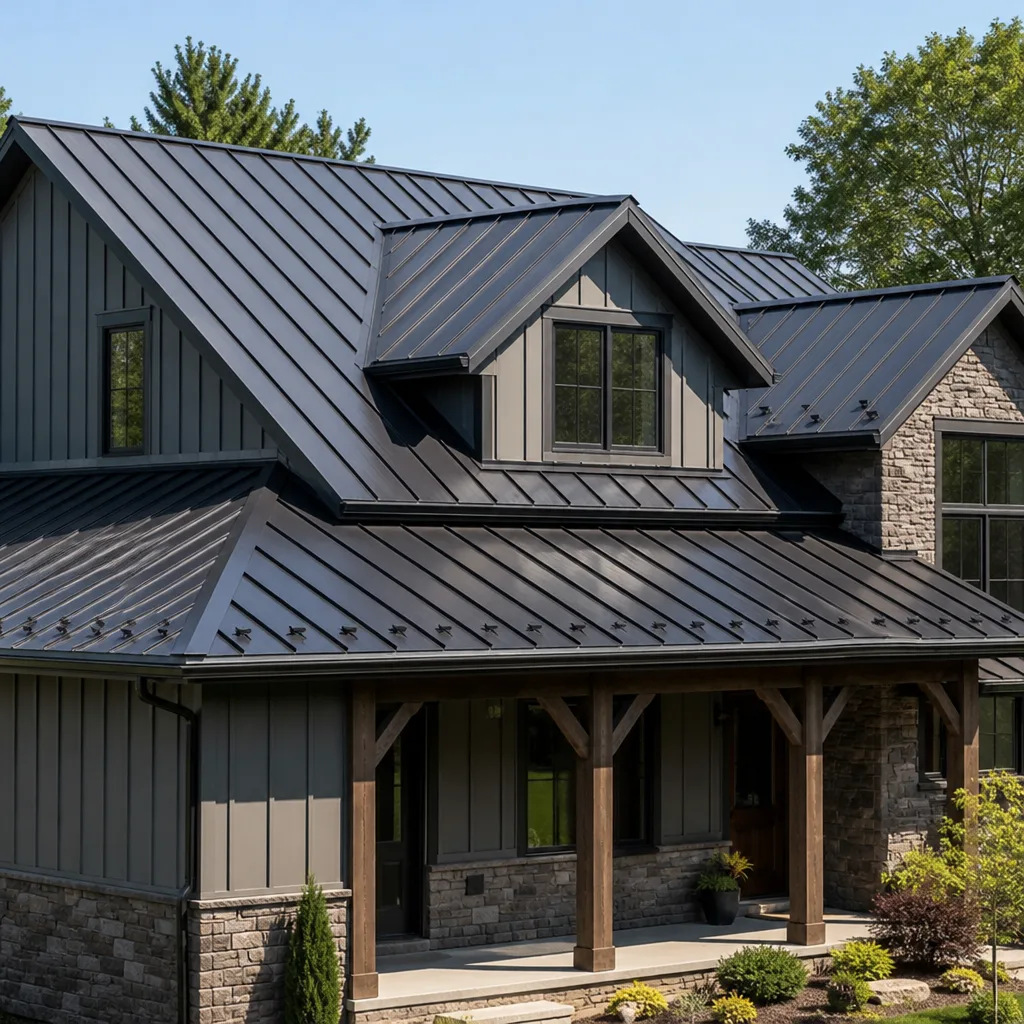 Metal roofing
 Architectural shingles
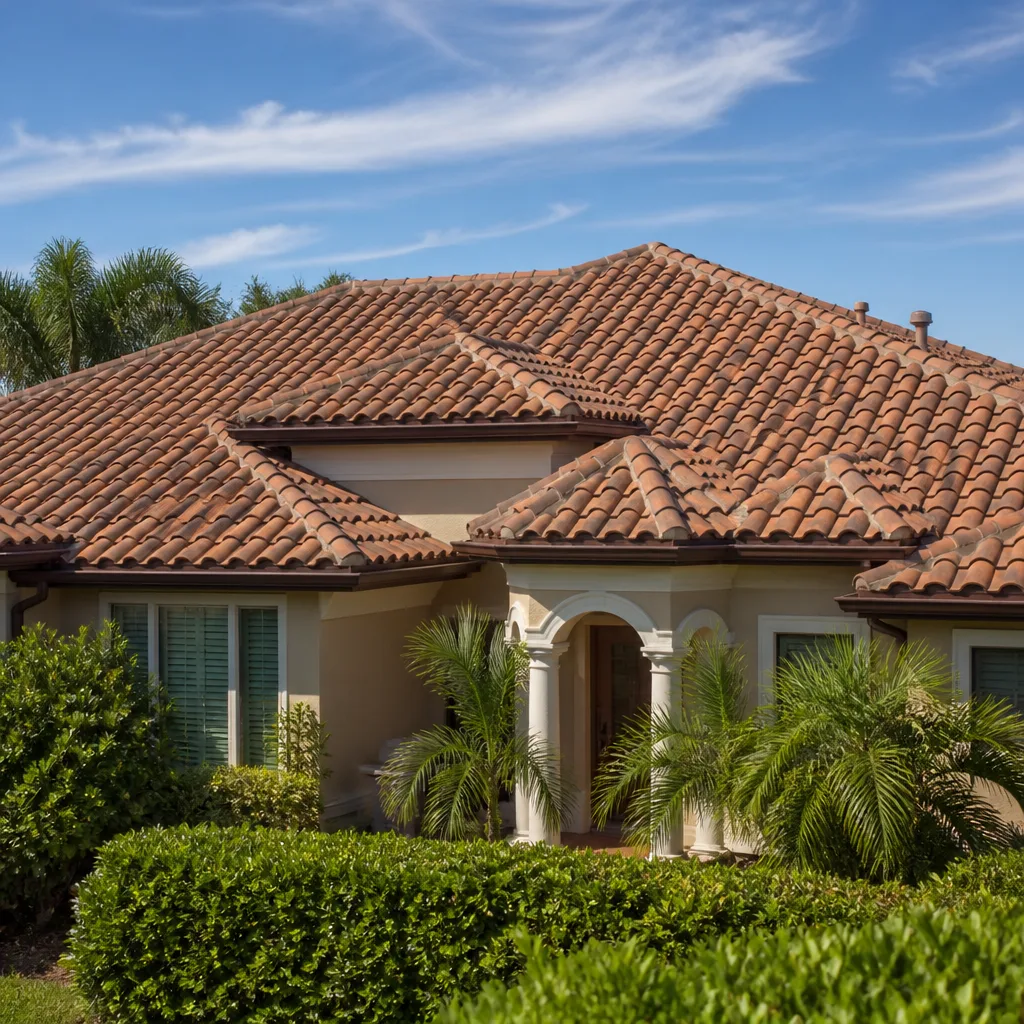 Tile roofing
 GAF
GAF Flat & low-slope
Free roof inspection with deck photos before we talk money - GAF and Owens Corning certified installation
Roofing Permits, Codes & Inspections in TX: What You Need to Know
A San Antonio homeowner sold their house in 2023, only to have the deal fall through during inspection when the buyer’s agent discovered the roof replacement done four years earlier had no permit on file. The contractor had pocketed the permit fee and never filed. The seller had to credit the buyer $11,000 to close. This happens more often than anyone in San Antonio wants to admit, and it’s almost always preventable. This guide walks through exactly when a permit is required, what the City of San Antonio’s inspection process looks like, and what to do if you discover work was done without one. For a broader overview, see The Complete Guide to Roofing in San Antonio.
Quick Answer
Yes, you need a roofing permit in San Antonio for any full roof replacement and for many repairs that go beyond simple shingle patching. The City of San Antonio’s Development Services Department requires permits for structural roof work, and the final inspection is the legal record that proves the roof meets current building code. Skipping the permit can void a homeowner’s insurance claim after storm damage and create an $8,000 to $12,000 problem when you sell the house.
Styles & brands we work with
Table of Contents
- When Is a Roofing Permit Required in San Antonio?
- Which Roof Repairs Trigger a Permit?
- How to Check If a Permit Was Pulled on Your Home
- What a City of San Antonio Roofing Inspection Actually Covers
- What Happens When a Roof Inspection Fails
- Insurance Implications of Unpermitted Roofing Work
- Previous Contractor Skipped the Permit? Here’s How to Fix It
- Common Mistakes to Avoid
- When to Call a Professional
- Frequently Asked Questions
When Is a Roofing Permit Required in San Antonio?
Under the City of San Antonio’s current adopted building code, a permit is required any time roofing work involves the structural deck, the underlayment system, or a full tear-off and replacement. That means if the shingles are coming off down to the plywood or OSB deck, you need a permit. If the deck itself is being replaced due to rot or hail damage, you need a permit. If the roof is being completely re-shingled, you need a permit.
What does not require a permit is a minor repair that stays on the surface: replacing a few missing shingles after a windstorm, patching a small section of shingles without disturbing the underlayment, or resealing flashing around a vent. The rule of thumb in San Antonio is simple: if the work changes the water-shedding system of the roof, the City wants to inspect it. If you’re only restoring what’s already there on a small scale, it falls under routine maintenance.
Here’s what triggers a roofing permit in San Antonio:
- Full roof replacement – tear-off down to the deck and new underlayment plus new shingles. Always permitted. No exceptions.
- Deck repair or replacement – any section of plywood or OSB decking that gets replaced due to rot, water damage, or hail damage.
- New roof installation – on a new addition, a new detached structure, or a completely new home build.
- Underlayment replacement – if the felt or synthetic underlayment is being replaced, even if some shingles are reused.
- Structural repairs – rafter repair, truss repair, or any work touching the framing that holds the roof up.
Most of the roof work we do in San Antonio falls into the full replacement category. The Roof Replacement in San Antonio process always starts with permitting because the city’s inspections are how homeowners get legal proof the work was done right.
Which Roof Repairs Trigger a Permit?
This is the question that costs San Antonio homeowners the most money. Contractors will tell you a repair doesn’t need a permit because it’s “just a repair.” The truth is more specific. The City of San Antonio’s Development Services Department bases the permit requirement on what’s being disturbed, not on what you call the work.
A repair that only addresses the surface layer – the shingles themselves – generally doesn’t require a permit. You can replace 10 shingles, 20 shingles, even 50 shingles without a permit, as long as the underlayment, flashing, and decking underneath are not being replaced. The city considers that maintenance.
But here’s where it gets expensive. Most San Antonio hail damage claims involve more than just shingle replacement. Hail cracks the underlayment, damages the deck edges, and compromises the flashing seals. Once the contractor starts pulling up decking or replacing underlayment, the permit is required. And in our experience, most substantial repairs in San Antonio end up touching at least some underlayment.
Repairs that do trigger a permit under San Antonio code:
- Replacing any section of roof decking, even a 4-by-8 sheet
- Replacing underlayment in the area of the repair
- Replacing or reinstalling flashing around chimneys, skylights, or valleys
- Any repair that requires the roof to be opened down to the rafters
- Installing roof insulation that requires touching the structural deck
Roof Repair in San Antonio is our most common service, and we file permits on every repair that requires them. If you’re unsure whether your repair crosses the line, the city’s Development Services office will answer the question over the phone. Or you can ask us during a free estimate, and we’ll tell you in writing what the permit requirement is before any work starts.
How to Check If a Permit Was Pulled on Your Home
If you own a home in San Antonio and want to know whether the roof work done by a previous owner or contractor was permitted, the city makes it relatively easy. The City of San Antonio has an online building permit portal where you can search by address and see every permit application, issuance, and inspection record associated with your property.
Here’s how to look it up, step by step:
- Go to the City of San Antonio Development Services Department website. Look for the “Building Permits” or “Permit Search” section. It’s under the city’s main development services portal.
- Enter your property address. The system accepts street number and street name. You don’t need the parcel ID, though it helps if you have it from your tax records.
- Look at the permit history. Every permit ever issued for your property should appear, including roofing permits, with status flags like “issued,” “inspection scheduled,” “finaled,” or “expired.”
- Specifically look for a roofing permit. It will usually be described as “reroof,” “roof replacement,” “roof repair,” or similar. The key thing you want to see is the final inspection status: it should say “finaled” or “passed.”
- If you don’t find one and you know roof work was done, call the city’s Development Services office directly. Sometimes permits are filed under a contractor’s business name or have a different address format.
What should you do if you find the permit wasn’t pulled? First, don’t panic. The city has a process for this, which we’ll cover in a later section. Second, document everything. Take screenshots of the permit search result showing no record. That documentation matters if you ever need to make an insurance claim or sell the house.
What a City of San Antonio Roofing Inspection Actually Covers
When a roofing permit is pulled in San Antonio, the city assigns an inspector who will inspect the work at specific stages. For a standard roof replacement, there are usually two inspection points: a mid-roof inspection (also called a “dry-in” inspection) and a final inspection after the shingles are installed.
The dry-in inspection happens after the old roof is torn off and the new underlayment is installed, but before the shingles go on. The inspector is checking:
- That the roof deck is structurally sound and properly fastened
- That the underlayment is the correct type and properly lapped
- That drip edge is installed at the eaves and rakes
- That any replaced decking is the correct thickness and properly secured
- That flashing details around penetrations are being handled correctly
The final inspection happens after the shingles, ridge caps, vent boots, and all flashing are complete. The inspector is confirming:
- Shingles are properly nailed in the correct pattern
- The required number of nails per shingle is present (usually 4 in San Antonio, more in high-wind zones)
- Ridge cap shingles are correctly installed
- Flashing around chimneys and walls is properly counter-flashed
- Roof-to-wall intersections are properly sealed
- The roofer followed the manufacturer’s installation instructions for the specific shingle brand
In San Antonio, the inspection is typically scheduled by the contractor after the work is complete. Most inspections happen within 1 to 3 business days of the request. The inspection itself takes 20 to 45 minutes, depending on roof size and complexity. Once it passes, the permit is marked “finaled,” and that’s the legal record that your roof was installed to current code.
What Happens When a Roof Inspection Fails
A failed inspection in San Antonio is not the end of the world, but it will cost somebody time and money. When a City inspector fails a roof inspection, they issue a correction notice that lists exactly what’s wrong. Common failure points we see in San Antonio include:
- Insufficient nail count on shingles in high-wind areas
- Underlayment lapped the wrong direction
- Drip edge missing at the eave
- Improper flashing at a chimney or sidewall
- Decking that doesn’t meet minimum thickness requirements
- Ridge cap installed without the required overlap
Once the correction notice is issued, the contractor has to fix the issues and schedule a re-inspection. The re-inspection typically costs between $75 and $150 in San Antonio, and it’s the contractor’s responsibility to pay for it, not the homeowner’s. This is why it matters who you hire: a roofer who gets inspections wrong repeatedly is a roofer who eats those re-inspection fees. That cost eventually shows up somewhere.
At Crestview Roofing Co San Antonio, we pull the permit before the roof comes off, and we don’t schedule the final inspection until we’ve walked the roof ourselves against the city’s checklist. The result is fewer failed inspections and less delay between “roof done” and “permit finaled.”
Insurance Implications of Unpermitted Roofing Work
Here’s the part that catches San Antonio homeowners off guard. Your homeowner’s insurance policy almost certainly contains language about permits and code compliance. What that language says, in plain English, is this: if damage occurs to a part of your home that was built or repaired without required permits, the insurance company has the right to deny the claim or reduce the payout.
This is not hypothetical. We’ve seen it happen in San Antonio more than once.
The typical scenario: a homeowner gets a roof replacement in 2019, the contractor says they’ll handle the permit, and they don’t. In 2024, a hailstorm damages the roof. The homeowner files a claim. The insurance adjuster visits, runs the address through the city’s permit database, and finds no roofing permit on file. The insurer then argues that the roof was not installed to code because no code inspection ever occurred to verify it. The claim is denied or reduced to the depreciated value of a roof that technically doesn’t meet code.
Most standard Texas homeowner’s policies contain a “concealment or fraud” clause and a “permits and code” exclusion. The language varies by insurer, but the practical effect is the same: unpermitted work gives the insurance company an exit ramp. And they will take it.
The cost to fix this after the fact – bringing the roof up to code through a re-inspection – can run $1,500 to $4,000 in San Antonio, assuming the roof was installed correctly in the first place. If it wasn’t, you’re looking at a full replacement.
Previous Contractor Skipped the Permit? Here’s How to Fix It
If you’ve discovered that a previous contractor performed unpermitted roofing work on your San Antonio home, here’s the process for making it right. This applies whether you inherited the problem when you bought the house or you hired a roofer who told you “we don’t need a permit for this.”
- Find out exactly what work was done. Gather any invoices, contracts, or text exchanges with the original contractor. Write down the date of the work, the scope, and what materials were used if you know them.
- Check the permit record yourself. Use the city’s online portal we described earlier. Document the absence of a permit with a screenshot.
- Contact the original contractor. If the roofer is still in business, give them the opportunity to file the permit after the fact and schedule the inspection. In San Antonio, the city will sometimes allow a retroactive permit, though fees are typically double the original amount.
- If the contractor won’t help, contact the City of San Antonio directly. Development Services has a process for addressing unpermitted work. You’ll likely need to file a retroactive permit and pay the fee, which runs $150 to $400 depending on roof size and scope.
- Schedule the inspection. A city inspector will come out and assess whether the existing roof meets current code. If it does, great – the permit is finaled and you have your legal record. If it doesn’t, you’ll get a correction list, and you’ll need to hire a licensed roofer to bring the roof up to code.
- Keep all the paperwork. Once the permit is finaled, save the documentation. You’ll want it when you sell the house or file an insurance claim.
Who bears liability? Under Texas law, the contractor who performed the unauthorized work is legally liable for any code violations that result. If the roofer is licensed, bonded, and insured, their bond may cover the cost of correcting unpermitted work. If the contractor was unlicensed or has disappeared, the cost falls on the homeowner. This is one reason Roof Installation in San Antonio should always include verification of the permit before the final payment is released.
Common Mistakes to Avoid
- Believing a contractor who says “you don’t need a permit for this” without checking. The contractor saves money on the permit fee; you carry the legal exposure. Verify with the City of San Antonio before any work starts.
- Paying the final invoice before the permit is finaled. Once the roofer has your money, their incentive to close out the permit drops to zero. Hold final payment until you see the “finaled” status on the city’s portal.
- Assuming the permit was pulled because you paid a permit fee. In San Antonio, more than one homeowner has paid for a permit that was never filed. Check the portal yourself, not just the contractor’s word.
- Replacing a roof without checking whether the previous roof was permitted. If you own a San Antonio home that had unpermitted work done before you bought it, you inherit the problem when you sell. Check your permit history before you start any new roof work.
- Letting the contractor choose the inspector. In San Antonio, the city assigns the inspector. Any roofer who says they have “their own inspector” is describing something other than the city inspection, and that something is not a legal record.
- Skipping the re-inspection after a failed inspection. Some contractors will “fix” a failed inspection item without calling the city back out. That means the permit stays open, and an open permit is not the same as a finaled permit. You need the finaled status.
When to Call a Professional
If you’re planning a roof replacement in San Antonio, don’t guess at the permit process. If you’ve discovered unpermitted work on your home, don’t try to correct it without help. If you’re buying or selling a house and the roof is flagged during inspection, call a roofer who understands San Antonio’s permitting code and can produce a written record of what’s needed. We walk every customer through the permit before the work starts, not after. Our written price includes the permit fee as a line item, so you’ll see exactly what the city charges, not a rounded-up guess. Crestview Roofing Co San Antonio home is where your estimate starts. If you’re in San Antonio, call (361) 209-8857 for a free estimate, and we’ll tell you in writing whether your project requires a permit and what the total cost will be before anything gets signed.
Frequently Asked Questions
A roofing permit in San Antonio typically costs $100 to $400, depending on the square footage of the roof and the scope of the work. The city’s fee schedule is based on project valuation, so a full replacement on a larger home will land at the higher end. Your contractor should list the permit fee as a separate line item on the written estimate, not bury it in the total. Call (361) 209-8857 and we’ll tell you the exact permit fee for your roof size during the free estimate.
You can perform minor surface repairs – replacing a few missing shingles, resealing flashing, patching small areas – without a permit in San Antonio. Anything that touches the underlayment, decking, or structural framing requires a permit. If you’re not sure whether your repair crosses the line, check with the city’s Development Services office before the work starts. The answer determines whether your insurance will cover future damage to that area.
Most simple reroofing permits in San Antonio are issued the same day or within one business day when the application is complete. The inspection itself is usually scheduled within 1 to 3 business days of the roofer calling it in. For a standard roof replacement, expect the entire permitting and inspection cycle to add 3 to 7 business days to the project timeline.
It should not. A written quote that itemizes materials, labor, and permit fees is a fixed-price quote. The only legitimate reason a roof price changes after the tear-off is if the decking underneath is rotted or damaged in a way that couldn’t have been seen from the exterior, which is common in San Antonio after hail seasons. At Crestview, we include a per-sheet decking replacement price in the original written estimate, so you know the cost of any decking replacement before we ever pull the first shingle. Call (361) 209-8857 and ask for the written, itemized estimate – the number on the page is the number on the invoice.
In San Antonio’s current real estate market, unpermitted roof work almost always surfaces during the buyer’s inspection or the title search. When it does, the buyer typically demands a price reduction, a repair credit, or a retroactive permit and inspection before closing. The cost to resolve it ranges from $1,500 for a retroactive permit and passing inspection, to $10,000 or more if the roof itself doesn’t meet code and has to be corrected or replaced.
Yes. Every roof replacement and code-triggering repair we do in San Antonio includes the permit filing as part of the written estimate. We pull the permit before any work starts, we schedule both the dry-in and final inspections, and we don’t release final payment until the city marks the permit “finaled.” You’ll have the inspection record in hand when the job is done. Call (361) 209-8857 to get started with a free estimate.
The Bottom Line
A roofing permit in San Antonio isn’t optional paperwork or a cash grab by the city. It’s the legal document that proves your roof was installed to the current building code, and it’s the first thing an insurance company or a home buyer’s agent will look for when it matters most. Skipping it saves a contractor a few hundred dollars but can cost you $8,000 to $12,000 at closing or in a denied claim. Whether you’re replacing a roof, repairing hail damage, or unwinding a previous contractor’s shortcut, the process is straightforward if you follow it. For more guides & resources, visit our blog. Check the permit history, get everything in writing, and don’t release final payment until the permit says “finaled.”
Written by Dylan Pace, Owner at Crestview Roofing Co San Antonio, serving San Antonio since 2000.
See the difference
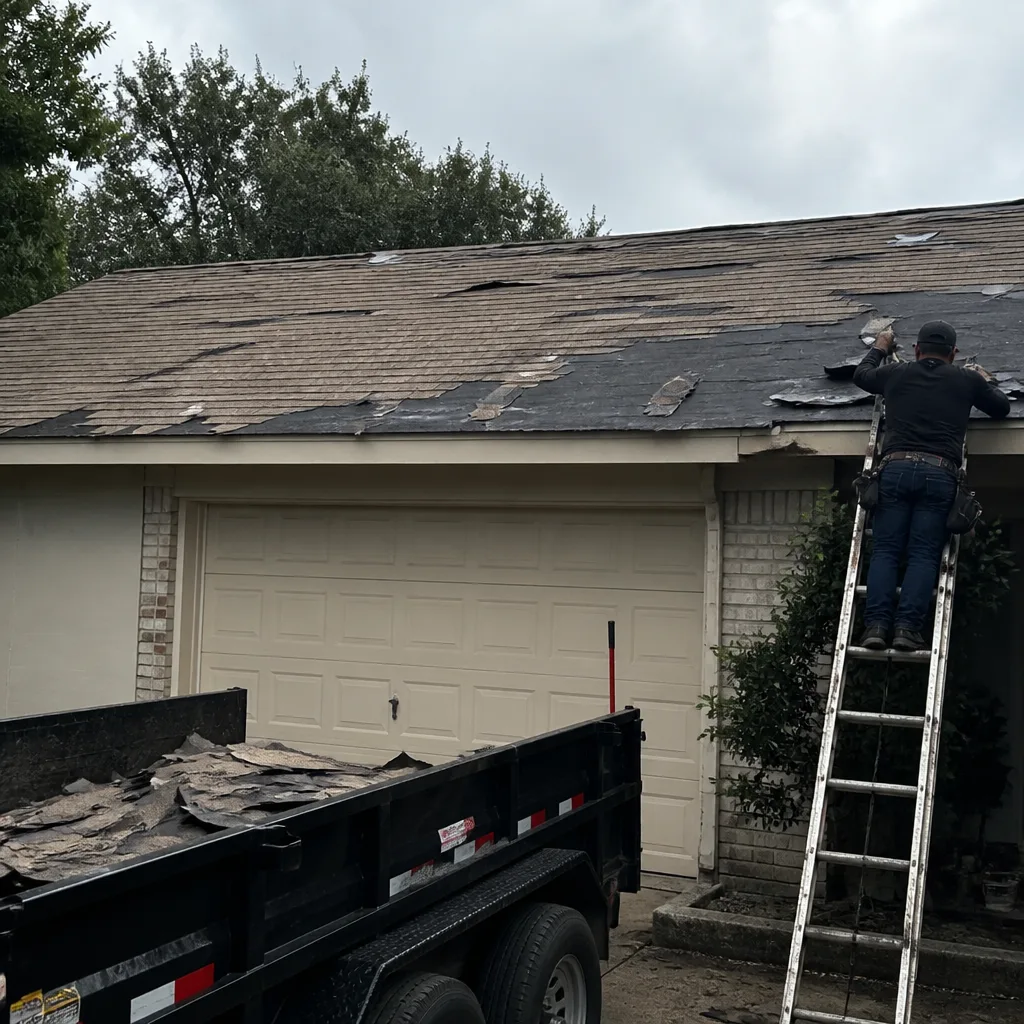 Before
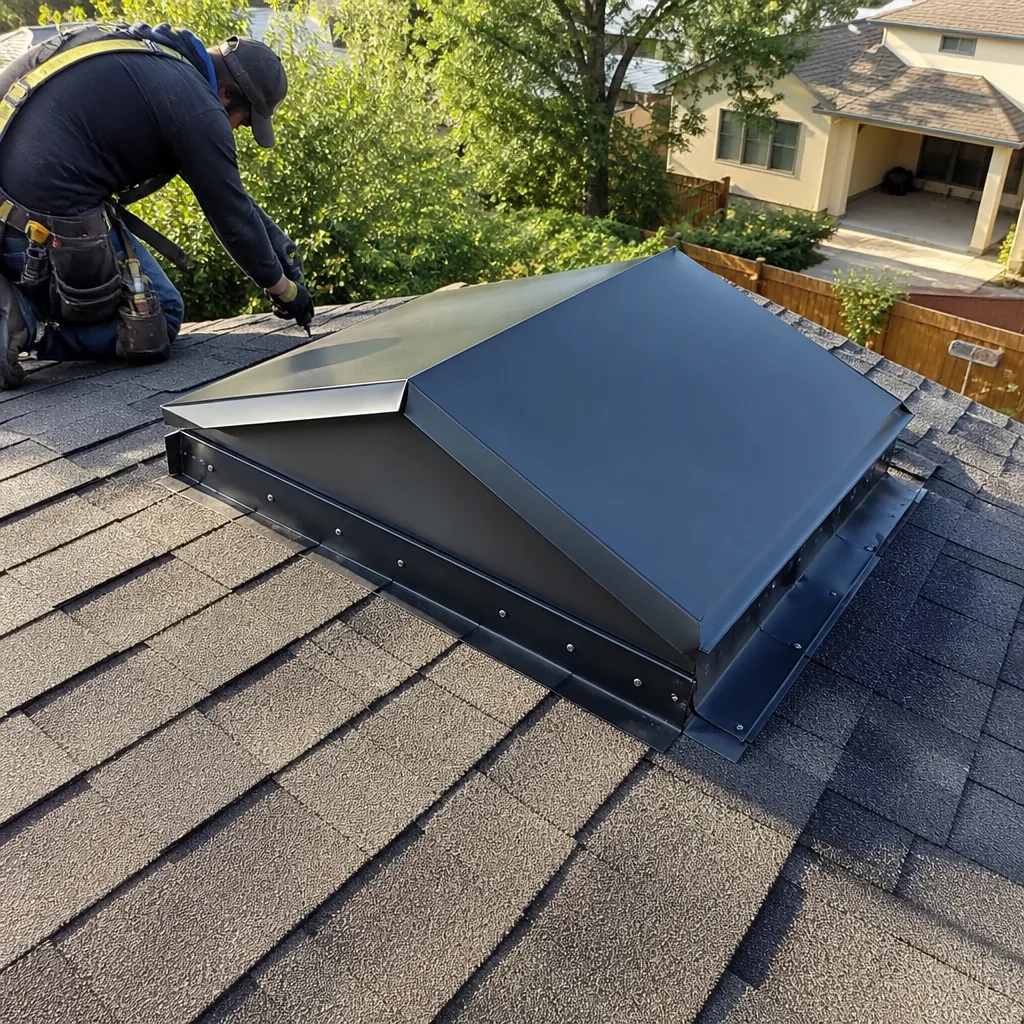 After
After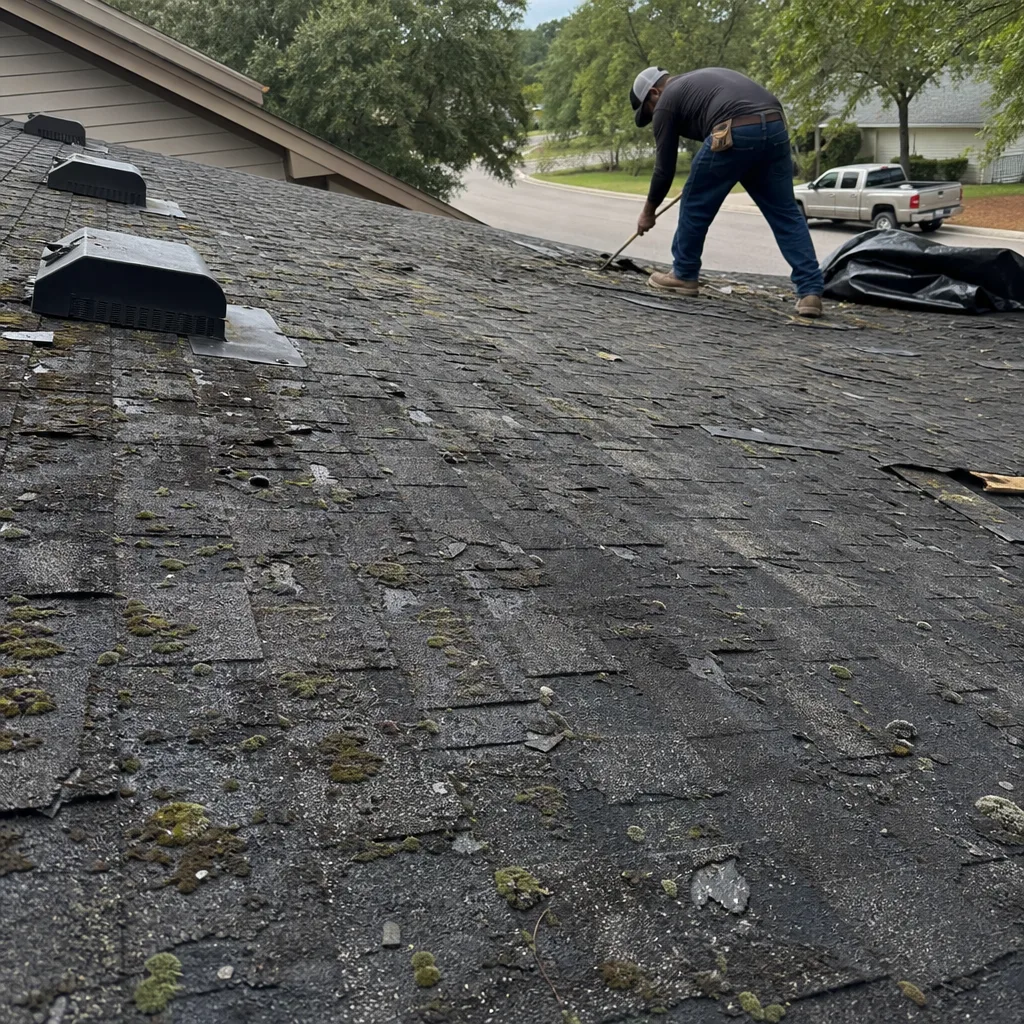 Before
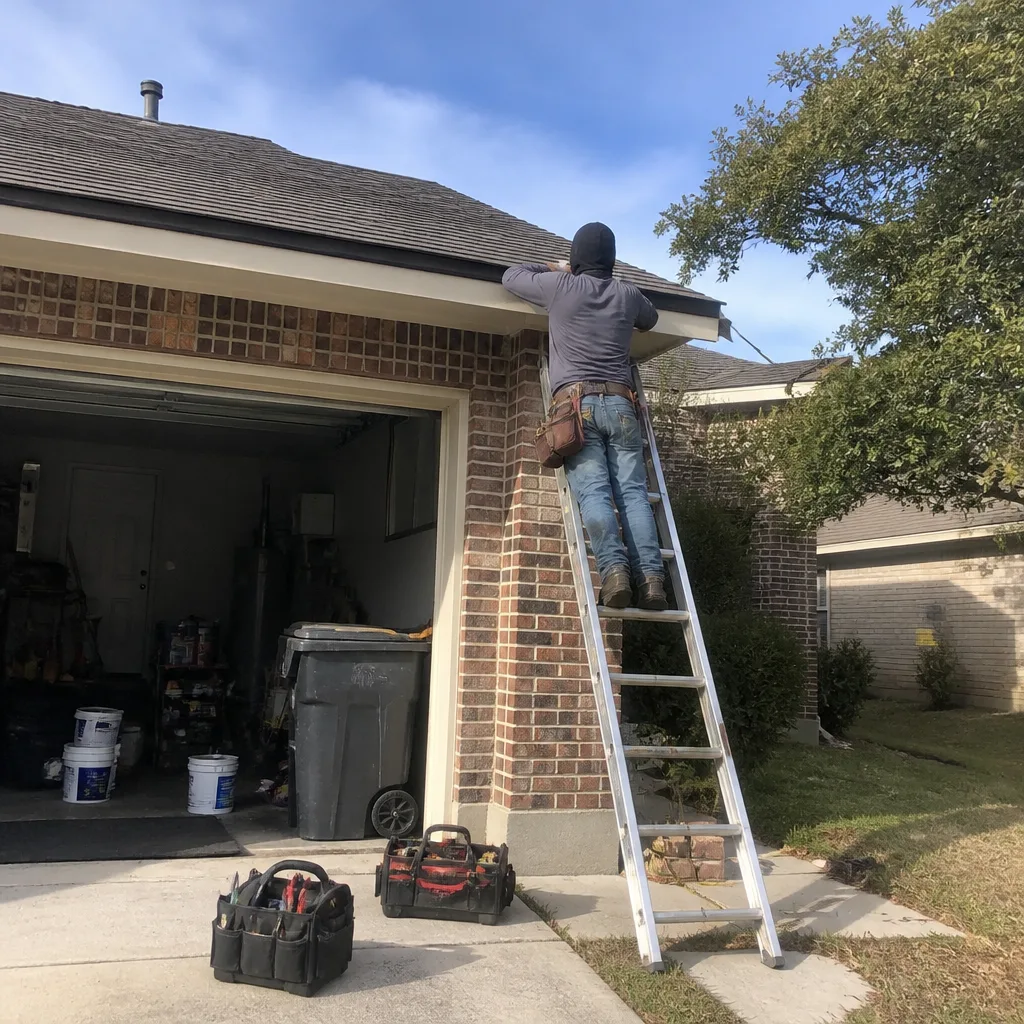 After
After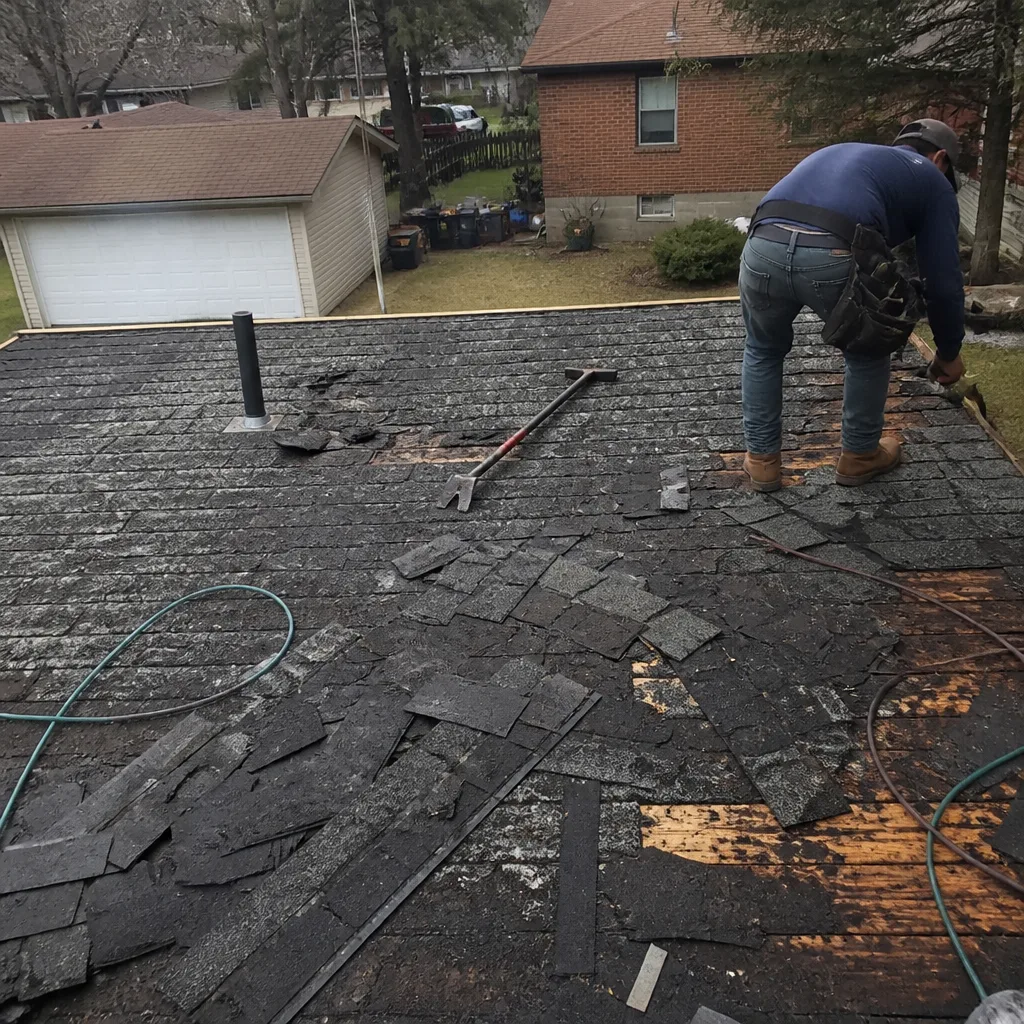 Before
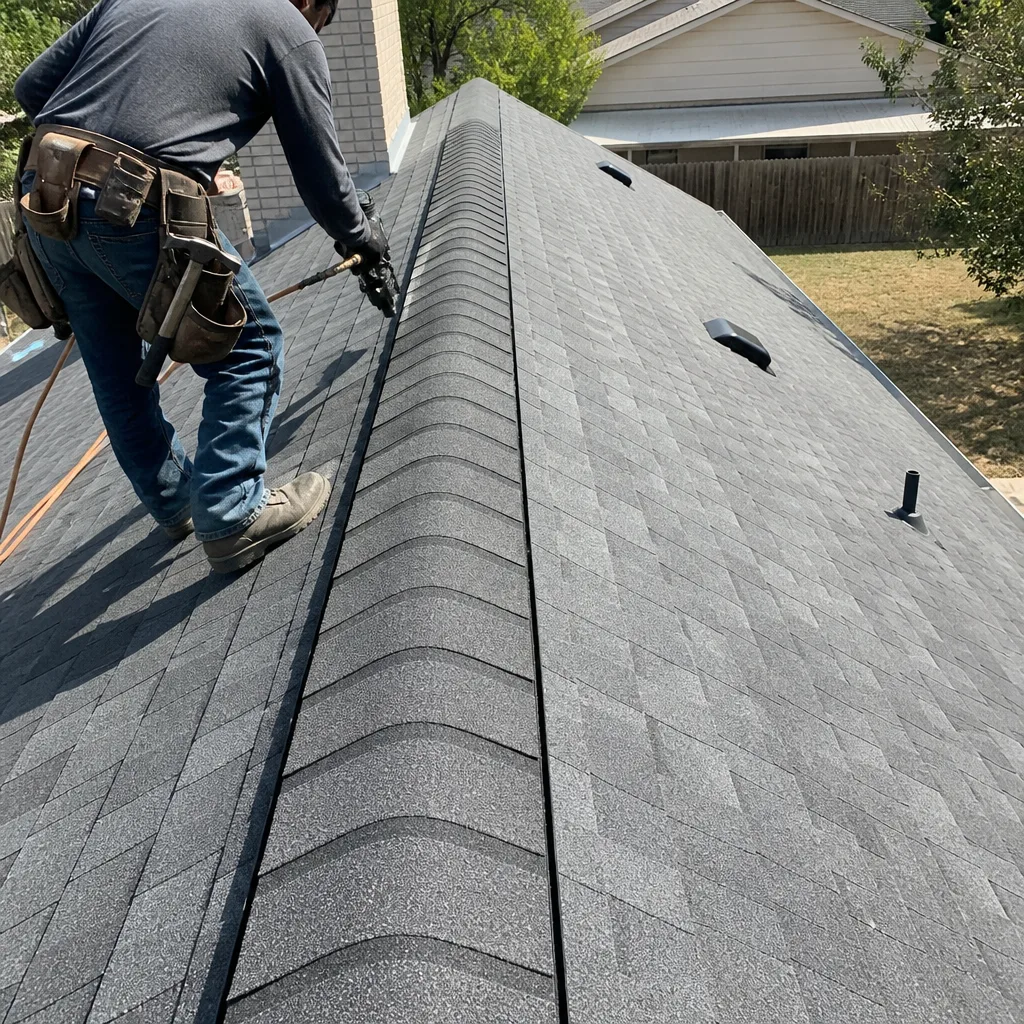 After
After