
Last updated October 17, 2026
 Metal roofing
 Architectural shingles
 Tile roofing
 GAF
GAF Flat & low-slope
Free roof inspection with deck photos before we talk money - GAF and Owens Corning certified installation
Roofing Warning Signs: A San Antonio Homeowner’s Reference Guide
The average San Antonio homeowner waits 14 months between noticing the first interior water stain and calling a roofer. In that window, what was a $400 flashing repair becomes a $3,200 decking replacement, and sometimes a mold remediation bill on top of that. This guide is built to close that gap. You’ll learn how to read the early warning signs most people miss, which problems demand same-week attention, and what normal wear actually looks like on a San Antonio roof versus what should make you reach for the phone.
Quick Answer
The most expensive roof warning signs in San Antonio are the quiet ones: granule accumulation in gutters, daylight visible through attic gaps, and flashing separations around chimneys and vents that leak a tablespoon of water per rainstorm until the decking rots. A homeowner who checks their attic twice yearly and looks at their gutters after every major storm can catch most failures when they’re still $300 to $500 repairs instead of $3,000-plus replacements.
Styles & brands we work with
Table of Contents
- Attic Warning Signs That Precede Visible Exterior Damage
- Granule Loss in Gutters: What’s Normal, What’s Not
- San Antonio UV Damage vs. Normal Aging vs. Hail Impact
- Flashing Failure Signs Around Chimneys, Vents, and Skylights
- Cosmetic Issues vs. Structural Issues: What Can Wait
- How San Antonio’s Climate Accelerates Roof Aging
- A Step-by-Step Roof Inspection You Can Do Safely
- Common Mistakes to Avoid
- When to Call a Professional
- Frequently Asked Questions
Attic Warning Signs That Precede Visible Exterior Damage
Most homeowners find roof problems by looking up at the roof. That’s backward. The earliest signs show up inside the attic, often months before you’d see anything from the curb. We’ve inspected homes in Alamo Heights and Stone Oak where the exterior shingles looked ten years younger than the damage underneath them.
The Three Attic Checks That Matter Most
- Daylight gaps. Turn off the attic light and let your eyes adjust for 60 seconds. Look for any pinpoints or slivers of daylight coming through the roof deck. If you can see outside, water can get in. A few small gaps around vents are sometimes normal, but daylight through the decking itself means a hole, a lifted shingle, or a failed seal that’s already letting water through.
- Insulation moisture. Press the back of your hand against the insulation near the roof peak, especially on the south and west sides of the house. Damp or crusty insulation means water has been getting in, even if the leak hasn’t reached your ceiling yet. San Antonio’s humidity can make this tricky, so compare one section against another. If one area feels noticeably different, that’s your clue.
- Rafter staining. Look at the wooden rafters and decking. Water stains look like tea-colored streaks, often with a darker outline. Fresh stains are damp to the touch; old stains feel dry but leave a watermark. Multiple parallel streaks running down a rafter usually mean a long-term, slow leak. A single isolated stain might be from a one-time event, like the February 2021 freeze, but it still deserves a look.
If any of these checks come up positive, don’t panic. But don’t wait either. A slow attic leak in a neighborhood like Terrell Hills can sit quietly for two years before it shows up as a ceiling stain. By that point the decking is already compromised.
For a professional assessment that includes photo documentation of everything found in the attic, see our Roof Repair in San Antonio service page.
Granule Loss in Gutters: What’s Normal, What’s Not
Shingle granules are the sandpaper-like coating that protects asphalt shingles from the sun. They fall off naturally over time, and a certain amount in your gutters is completely expected. The question is how much, and when.
Normal Granule Accumulation
After the first year or two on a new roof, you’ll see a moderate dusting of granules in gutters, especially after a heavy rain. Think of it like the amount of pepper you’d shake onto a plate of eggs. This is the shingle surface settling in, and it’s nothing to worry about.
Call-a-Roofer Granule Accumulation
- Piles of granules, not a dusting, especially concentrated at downspout openings
- Granules showing up every time it rains, not just after a big storm
- Bald spots on the shingles themselves, visible from the ground on the north-facing slope
- Granule loss concentrated on the south and west slopes, which take the most San Antonio sun
A simple test: clean your gutters completely, then wait one rainstorm. If you find more than a thin layer of granules afterward, your shingles are losing their protective surface faster than they should. That’s UV-caused granule shedding, and in San Antonio’s climate it shortens shingle life by several years if left unaddressed.
Brand matters here. Shingle lines we install frequently, like Owens Corning Duration and CertainTeed Landmark, are engineered for high UV resistance, which helps in the San Antonio heat. But even the best shingle wears out eventually. Granule loss is your early warning.
San Antonio UV Damage vs. Normal Aging vs. Hail Impact
San Antonio gets roughly 220 sunny days per year, and those UV rays do specific, recognizable things to a shingle surface. Learning to tell the difference between sun damage, normal aging, and hail impact means you’ll know whether you need a spot repair, a full replacement, or an insurance claim.
What UV Damage Looks Like
UV damage shows up as crazing and blistering. Crazing is a network of fine, spiderweb-like cracks across the shingle surface. Blistering looks like small raised bumps, some of which will have popped and left tiny craters. Both are caused by the asphalt inside the shingle drying out and losing its flexibility. On a San Antonio roof, you’ll see this first on the south and west slopes, which take direct afternoon sun. The shingles may also curl at the edges, turning upward like a dried leaf.
What Normal Aging Looks Like
Normal aging, by contrast, is more uniform. Shingles fade evenly across the entire roof. The edges may show slight wear, but there’s no distinct pattern of damage on one slope but not another. A 20-year-old three-tab shingle in San Antonio will look tired everywhere, not just on one side. This is the difference between a roof that’s reached the end of its useful life and one that’s been prematurely aged by exposure.
What Hail Impact Looks Like
Hail damage is none of those things. Hail strikes leave circular impact marks, often with granules knocked clean off in a bullseye pattern. The underlying asphalt may look fresh and dark, because the granules protected it until the exact moment of impact. Look for circular marks on shingles, dents in metal flashing, and damage to gutter screens or downspout seams. San Antonio’s spring hail season runs roughly March through May, and storms can produce anything from pea-sized to golf-ball-sized hail.
The repair path is different for each. UV damage on a young roof might mean adding ventilation or replacing a slope. Normal aging means planning for a full Roof Replacement in San Antonio. Hail impact means calling your insurance company and getting a documented assessment, ideally from a roofer who can mark every impact site with chalk so you have evidence in hand.
Flashing Failure Signs Around Chimneys, Vents, and Skylights
Flashing is the metal that seals the joints where the roof meets a vertical surface: a chimney, a vent pipe, a skylight, a wall. When flashing fails, it rarely fails loudly. No shingles blow off. No visible hole appears. Instead, the metal pulls away from the surface by a fraction of an inch, and water finds the gap. That’s the tablespoon-per-rainstorm leak we mentioned in the opening, and it’s the single most common source of hidden roof damage in San Antonio.
Where to Look, and What to Look For
- Chimney flashing. Look for step flashing, the L-shaped pieces that tuck under each shingle and bend up against the chimney brick. If you see gaps between the flashing and the brick, cracked sealant, or missing pieces, water is getting in. On older San Antonio homes with masonry chimneys, the mortar itself may also be failing, which creates a second entry point.
- Vent pipe flashing. Rubber boots around vent pipes crack and dry out in the San Antonio sun, usually within 8 to 12 years. Look for cracks at the base of the boot and a white, chalky appearance on the rubber. If the boot has split, rain runs directly down the pipe into the attic.
- Skylight flashing. Skylights are flashings wrapped in a warranty dispute. Check the sealant around the skylight frame and the metal curb underneath. Look for dried, pulling caulk and any discoloration on the drywall around the skylight inside the house, which is the later-stage sign.
- Wall and roof intersections. Wherever a roof meets a wall, look for a metal counterflashing that should overlap the step flashing. If the counterflashing has pulled away or the sealant is gone, water works its way in behind it.
Flashing repair is usually straightforward when caught early. Most chimney flashing repairs in San Antonio run between $350 and $700, depending on the amount of metal that needs replacing and whether masonry work is involved. The same repair after two years of unnoticed leaks might mean replacing the decking underneath as well, which pushes the total over $2,000 in most cases.
Cosmetic Issues vs. Structural Issues: What Can Wait
Not every roof problem needs immediate attention. Some do. Here’s how to tell the difference.
Cosmetic Issues That Can Wait, Usually
- Uniform shingle fading. A roof that’s evenly faded is a roof that’s aging. It’s not leaking. It’s not failing. It’s just not as pretty as it was. You can plan for replacement on your own timeline.
- Minor granule dusting in gutters. Covered above. Clean the gutters and keep an eye on it.
- Light moss or algae staining. More common on shaded north slopes and under trees. It looks worse than it is, and a professional cleaning is usually sufficient. Algae staining does indicate trapped moisture, so note which slope is affected and keep an eye on it.
- A few missing granules on a single shingle. One shingle with minor granule loss is not a structural issue. It’s worth monitoring.
Structural Issues That Need Same-Week Attention
- Any active leak reaching the interior. Water staining on ceilings or walls, active dripping, or peeling paint from moisture means water is already past the roof system. The clock is running on decking damage and mold.
- Visible daylight through the attic. Covered above. This is a structural breach.
- Missing shingles, especially after a windstorm. The exposed area is now a direct water entry point. In San Antonio’s spring storm season, the next rain could be days away.
- Curling or buckled shingles over a wide area. This indicates the roof system is losing integrity across a slope, not just in one spot. A repair might buy time, but the underlying issue is ventilation or material failure.
- Flashing that’s completely separated. A pulled piece of flashing is not cosmetic and it never self-corrects.
The rule we share with homeowners in Castle Hills and Helotes is simple: if water can get in, it’s urgent. If water can’t get in yet, you have time to plan.
How San Antonio’s Climate Accelerates Roof Aging
San Antonio is rough on roofing material. The combination of intense UV exposure, summer heat that pushes attic temperatures over 140 degrees, spring hail, and the occasional hard freeze creates a weathering cycle that wears out shingles faster here than in most parts of the country.
A standard 30-year architectural shingle might deliver that full lifespan in a mild climate. In San Antonio, that same shingle often shows meaningful wear by year 18 to 22, and the south and west slopes can look noticeably worse than the north slope by year 12. That’s not a manufacturing defect. It’s the local environment doing what it does.
The freeze-thaw cycle is less frequent here than up north, but when it happens, it’s damaging. The February 2021 freeze cracked shingles, split flashing sealant, and opened up small gaps all over town. Many of those leaks didn’t show up for months, because the water that got in sat frozen until spring. If you haven’t had an attic inspection since that freeze, and your home is in a neighborhood like Leon Valley or Timberwood Park, we’d put that at the top of your list.
High humidity also plays a role. The combination of heat and humidity inside an under-ventilated attic accelerates decking deterioration. That’s why ventilation is part of nearly every Roof Installation in San Antonio we do. The shingles are only half the roof system. What’s happening underneath them determines how long everything lasts.
A Step-by-Step Roof Inspection You Can Do Safely
Before we get into steps, a safety caveat: do not climb onto your roof. Steep slopes, loose granules, and the San Antonio sun can combine to make a roof walk far more dangerous than it looks. Everything below can be done from the ground, from a ladder you feel stable on, or from inside the attic. If you’re not comfortable in any of these positions, call a professional. A free estimate costs nothing. A fall costs more than a roof.
- Start in the attic. Turn off the light, check for daylight gaps, check insulation for moisture, inspect rafters for stains. Fifteen minutes once every spring and fall is enough to catch most problems before they become big ones.
- Walk the perimeter. From the ground, look at each slope of the roof. Note any areas where shingles look different from the surrounding ones. Missing granules, spots of exposed black asphalt, and lifted edges are all flagging points.
- Check the gutters. Clean them out, and note what you find. Granules, obviously, but also pieces of shingle, nails, and unusual amounts of sediment. The gutter is the roof’s tell.
- Inspect flashing points. Use binoculars if you have them. Chimneys, vent pipes, skylights, and anywhere the roof meets a wall. Look for gaps, cracked sealant, and pulled metal.
- Look at interior ceilings. Turn on each room’s light and scan the ceiling for water stains, especially in closets, bathrooms, and corners. Stains often appear in the least-used rooms first, because no one’s looking at those ceilings every day.
- Document everything. Photos on your phone, with date stamps. If you do end up filing an insurance claim, having a record of when you first noticed a problem is genuinely useful.
Common Mistakes to Avoid
- Ignoring a ceiling stain because it’s small. Ceiling stains don’t shrink. They expand, and the water that caused the stain is already sitting on your decking. A stain the size of a quarter today means water has been pooling somewhere for weeks or months.
- Waiting for the next rain to confirm a leak. By the time rain confirms a leak, the leak has existed for months. The water entry point was opened long before it rained hard enough to push the water through to the visible surface. Don’t use weather as a diagnostic tool.
- Assuming a new roof is automatically fine. We’ve found installation errors on roofs less than five years old in San Antonio, usually around flashing details. New doesn’t mean problem-free. It just means the potential problems are different.
- Patching over granule loss instead of finding the cause. If your shingles are shedding granules faster than they should on the south slope, adding a few new shingles on top doesn’t address the underlying UV or ventilation issue. The rest of the slope will follow.
- Sealing a flashing gap with hardware-store caulk. Caulk is a temporary patch, not a repair, especially in San Antonio heat where it dries and pulls within a season. The underlying flashing needs to be reset or replaced.
- Skipping attic inspections because the roof looks fine. The roof’s job is to keep water out of the attic. The attic is the diagnostic panel. Checking the shingles without checking the attic is like reading the outside of a book and calling it a review.
- Choosing the cheapest bid without seeing the line items. A low number that doesn’t specify what’s being replaced, what’s being reused, and what the warranty covers is not a low number. It’s a surprise waiting to happen. A written line-item price should come before any work starts.
When to Call a Professional
Call a roofer if you see any of the structural issues listed above: active interior leaks, daylight through the attic, missing shingles, wide curling, or flashing that’s visibly pulled away. Those are not DIY conditions, and they’re not conditions that improve with time. Call before the next big San Antonio storm, not after it. A roofer who shows up after a storm is a roofer who’s working through a backlog, and you’ll be one of twenty homes on the schedule.
Crestview Roofing Co San Antonio offers free estimates in San Antonio. We bring a written price before any work starts, photo documentation after every job, and a live arrival time you can track. Call (361) 209-8857 to schedule yours. A live person answers, and you can also explore our Crestview Roofing Co San Antonio home page to see how we work before you call.
Frequently Asked Questions
Most standard roof repairs in San Antonio run between $300 and $800, depending on the issue. Flashing repair around a chimney typically falls in the $350 to $700 range. Decking replacement, if water damage has already set in, usually runs $1,800 to $3,500 depending on the size of the affected area. Repairs involving hail damage may be covered by insurance, in which case you’re looking at your deductible rather than the full repair cost. Call (361) 209-8857 for an exact quote. Estimates are free.
Twice a year is the right cadence for San Antonio: once in early spring, before hail season starts, and once in late fall, after the summer heat has done its work. The spring inspection catches freeze and storm damage from the winter months. The fall inspection catches UV damage and flashing failure from the summer heat. Both inspections can be done from the ground and the attic, and both are more about your roofer’s time than your money. If you’re doing at least one professional inspection per year, you’re ahead of most San Antonio homeowners; for more guidance, see our Seasonal Roofing Care for San Antonio: Year-Round Homeowner’s Guide.
Yes. The most important inspections happen in the attic and from the ground with binoculars. Check for daylight gaps in the attic, moisture in the insulation, staining on the rafters, and from outside look for missing granules, lifted shingles, and flashing gaps around chimneys and vents. The only thing a professional sees that you can’t is a close-up view of the shingle surface and the precise condition of the sealant, as covered in our DIY vs Professional Roofing: The San Antonio Homeowner’s Decision Guide. If your ground-level inspection finds anything suspicious, that’s the time to call for a professional assessment.
Hail damage looks like circular impact marks on the shingle surface, often with granules knocked off in a bullseye pattern and fresh, dark asphalt exposed underneath. You’ll also see dents in metal flashing, gutter damage, and sometimes visible pitting on garage doors or window screens. Spring is the peak hail season in San Antonio, roughly March through May. If you see these signs after a storm, document them with photos and call for an assessment before filing an insurance claim.
Not with Crestview Roofing Co San Antonio. Our written price comes before any work starts, and the number on the page is the number on the invoice. If the scope genuinely changes because we find something unexpected once we get a shingle up, we document it with photos and get your approval before anything additional is done. No surprises at the door, and no arguing about the bill after the fact. Call (361) 209-8857 for a written estimate.
Most standard repairs in San Antonio take between two and four hours on site. Flashing repair, shingle replacement, and minor decking patches are all same-day jobs. Larger structural repairs, like replacing a full slope’s decking, might take a full day or more. South and west slope work in summer is often done in the early morning hours to work in safer temperatures, which can affect scheduling but not quality. We’ll give you a specific time window before we arrive, with a live trackable arrival time so you know exactly when we’re pulling into your driveway.
The Bottom Line
The roof problems that cost San Antonio homeowners the most money are the ones that show up quietly: granules collecting in gutters, a sliver of daylight in the attic, a small flashing gap that lets in a little water each storm. Learn to read those early signs, and you change the math entirely. A $400 flashing repair beats a $3,200 decking replacement, and twice-yearly attic checks are cheap insurance against the mold bill you didn’t plan for. Check the attic in spring and fall. Look at the gutters after every major storm. And when something looks wrong, call a professional before the next rain finds it first, or explore more guides & resources to stay informed. If you’re in the San Antonio area, we’ll come take a look for free. Call (361) 209-8857.
Written by Dylan Pace, Owner at Crestview Roofing Co San Antonio, serving San Antonio since 2000.
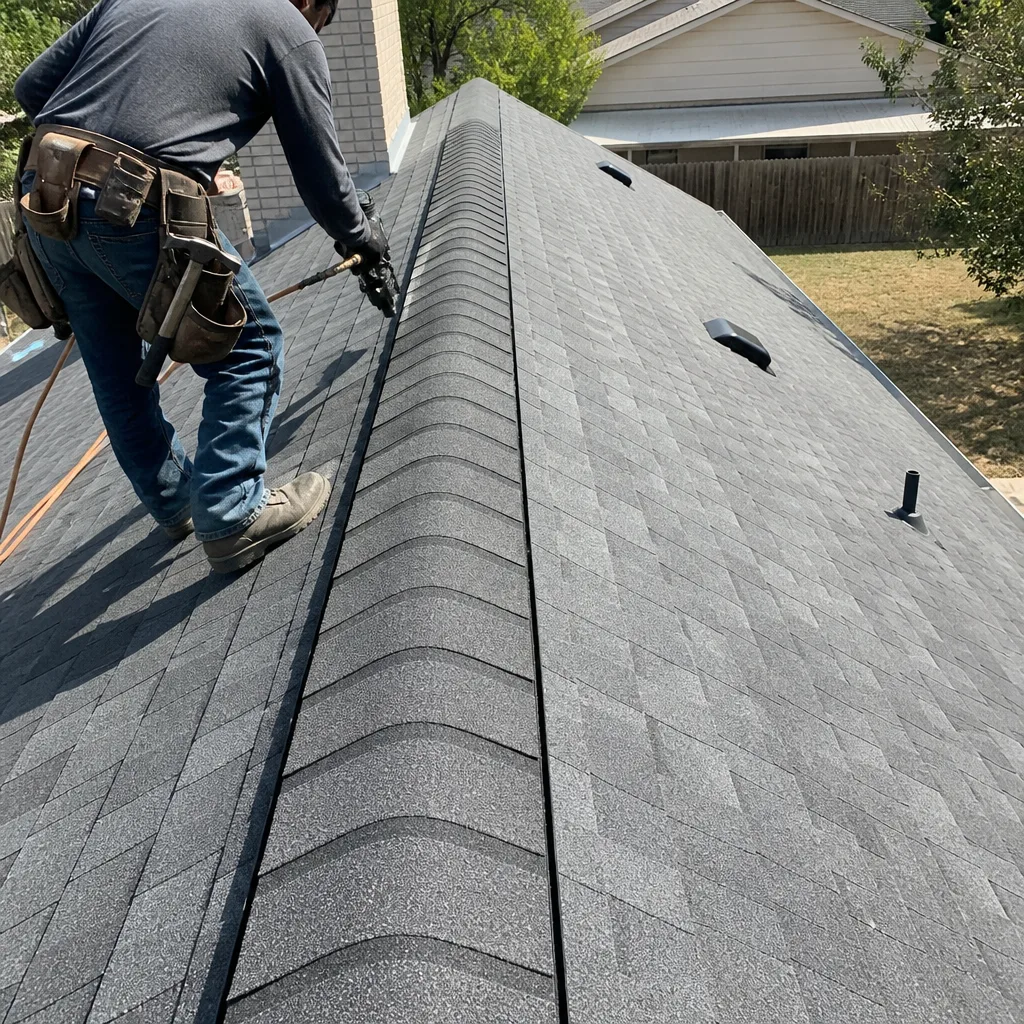
See the difference
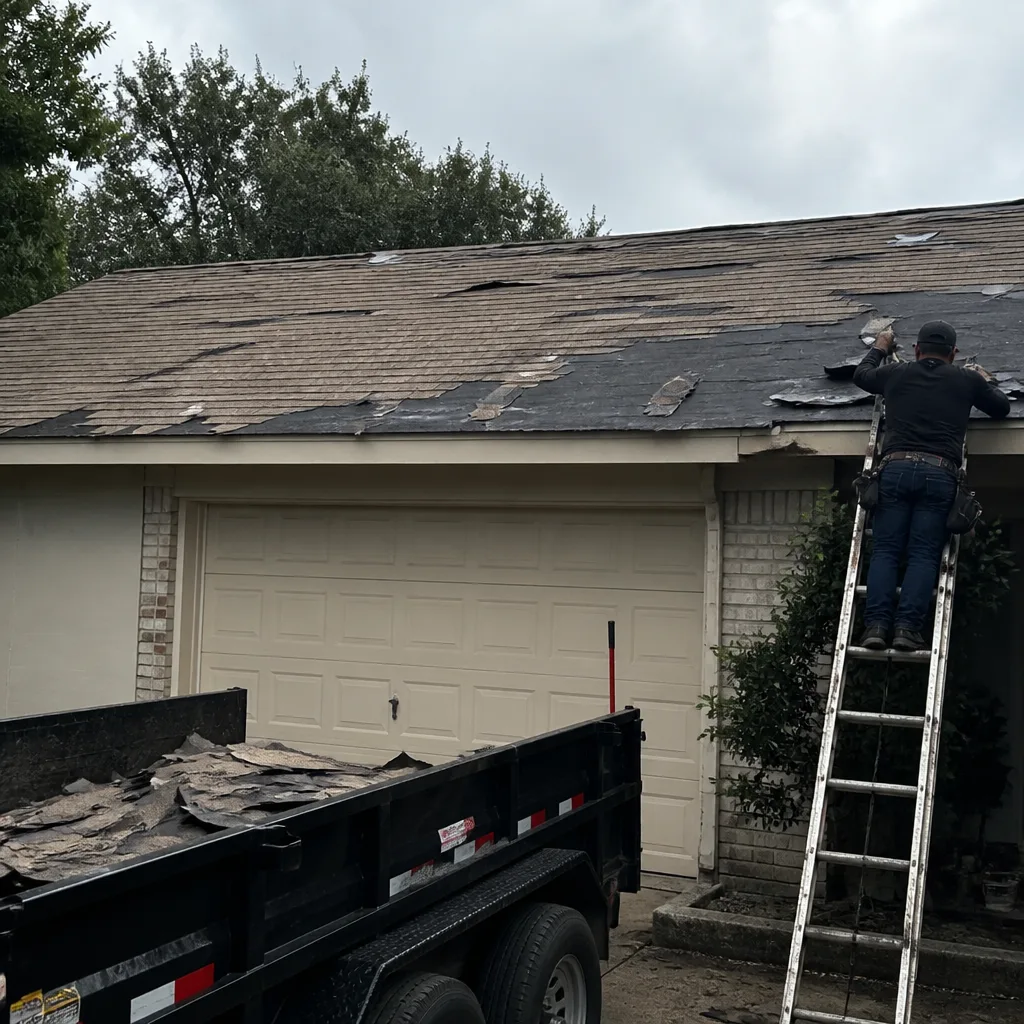 Before
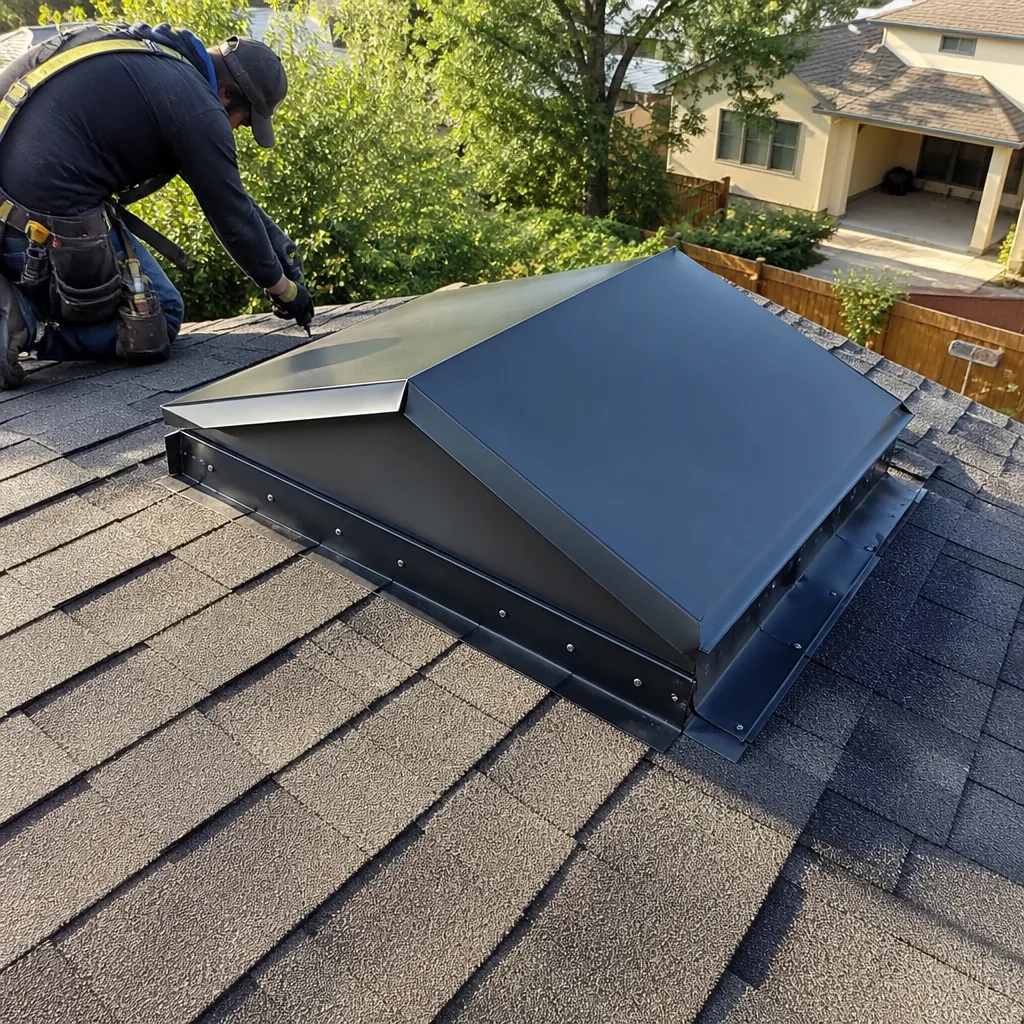 After
After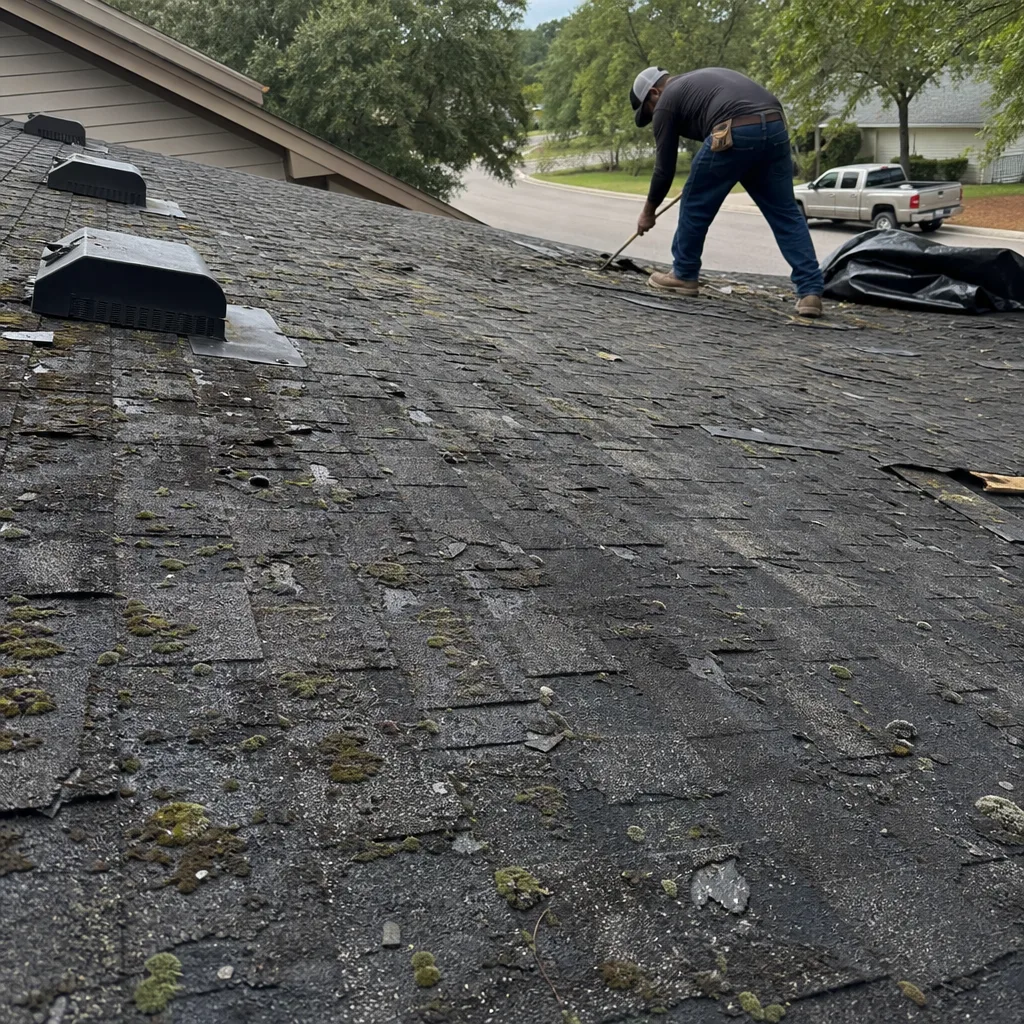 Before
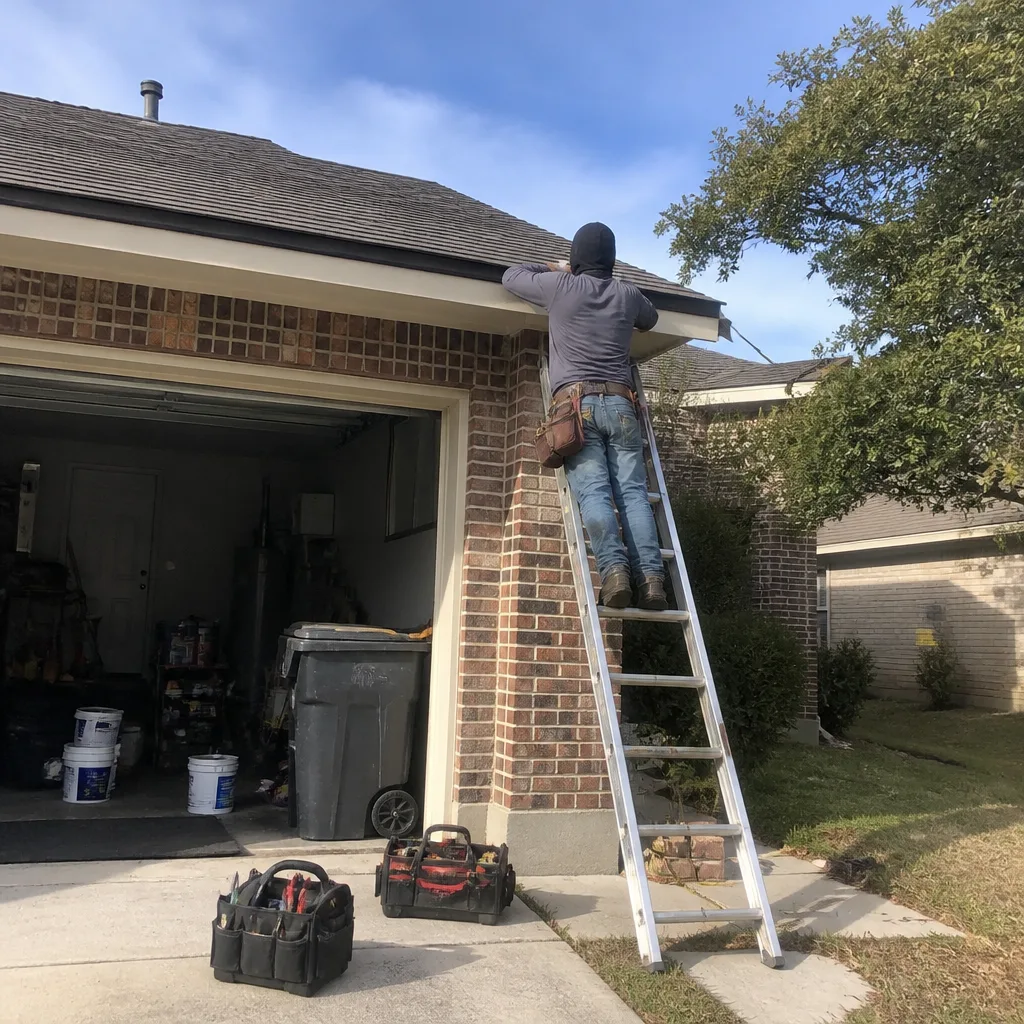 After
After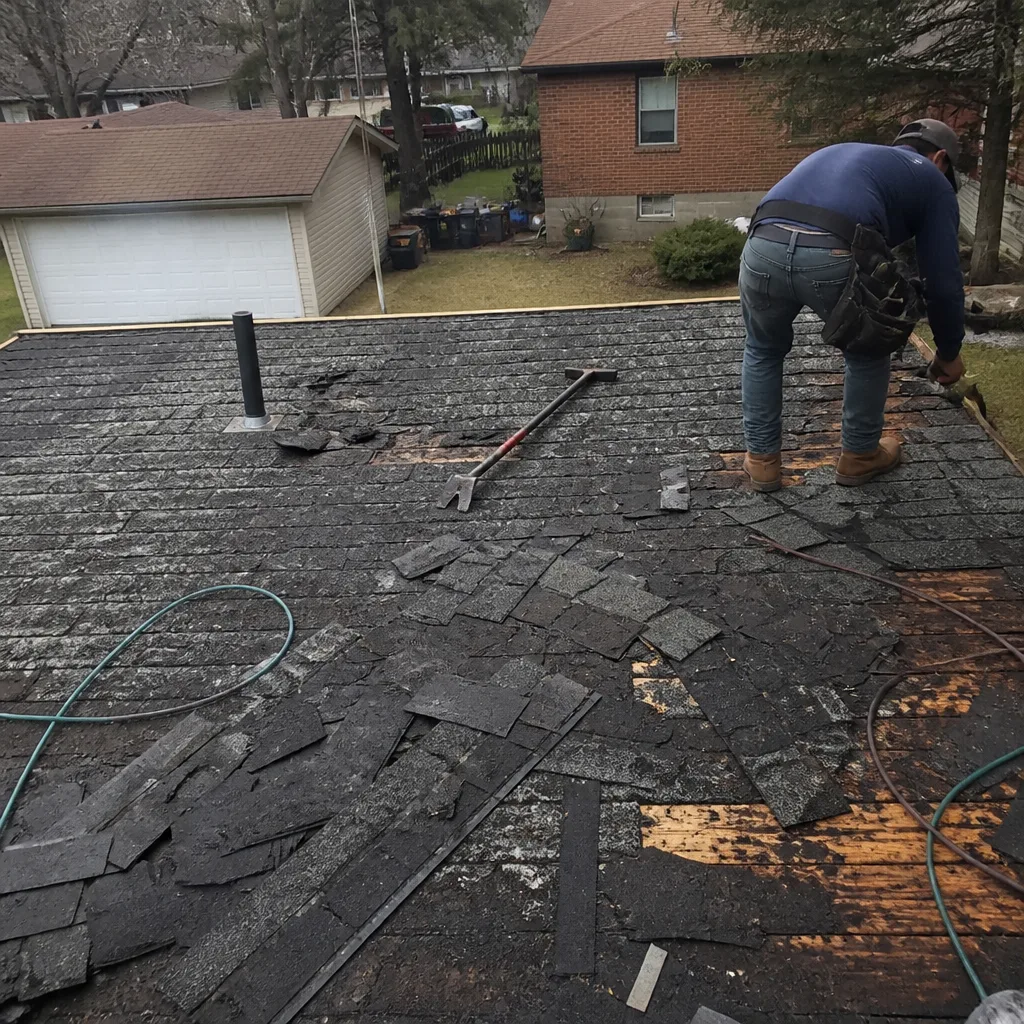 Before
 After
After