
Last updated October 17, 2026
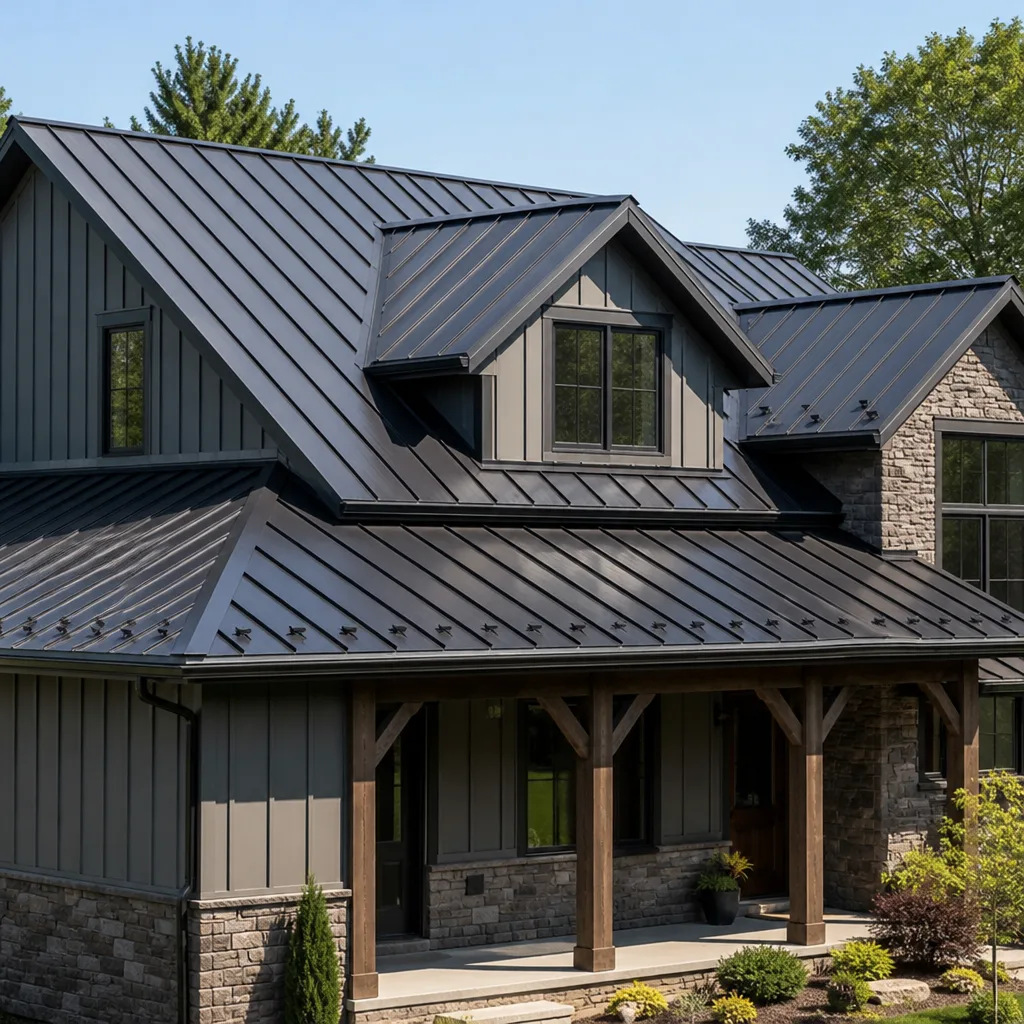 Metal roofing
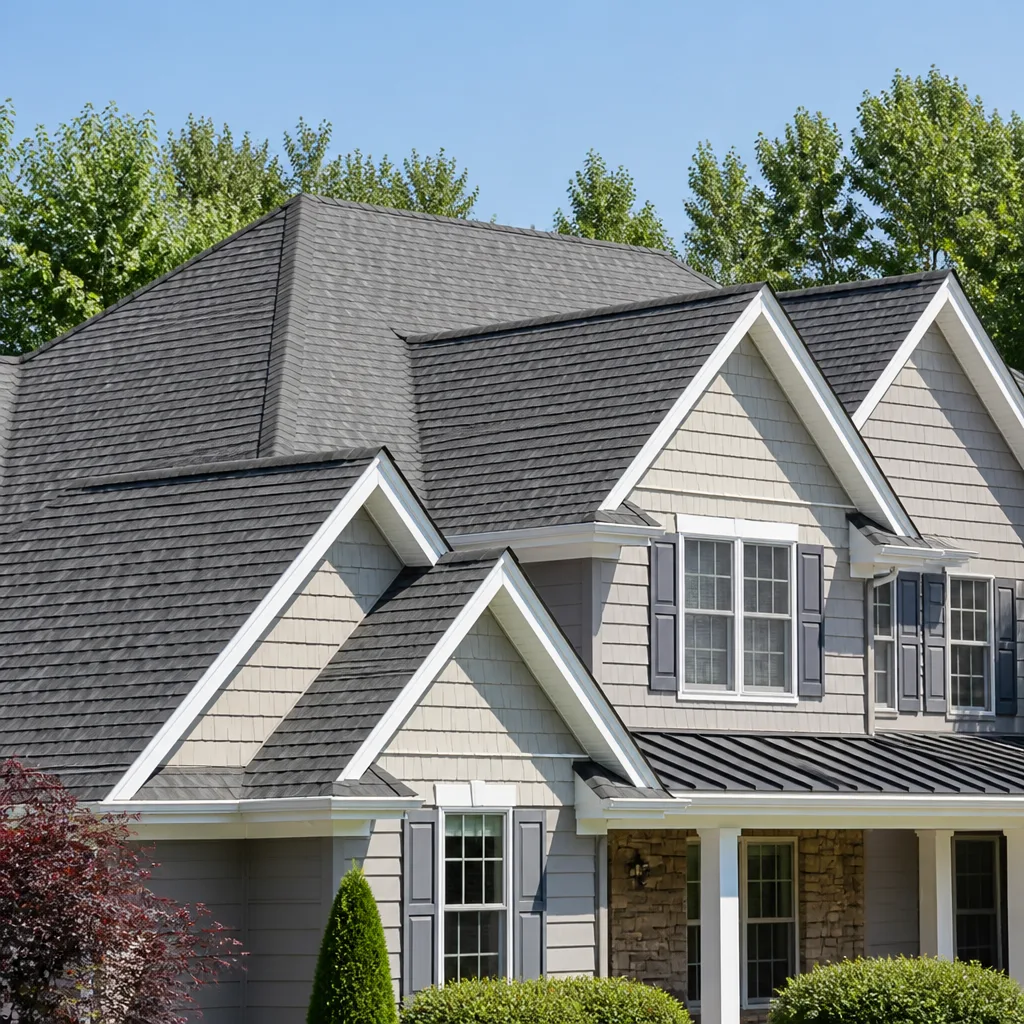 Architectural shingles
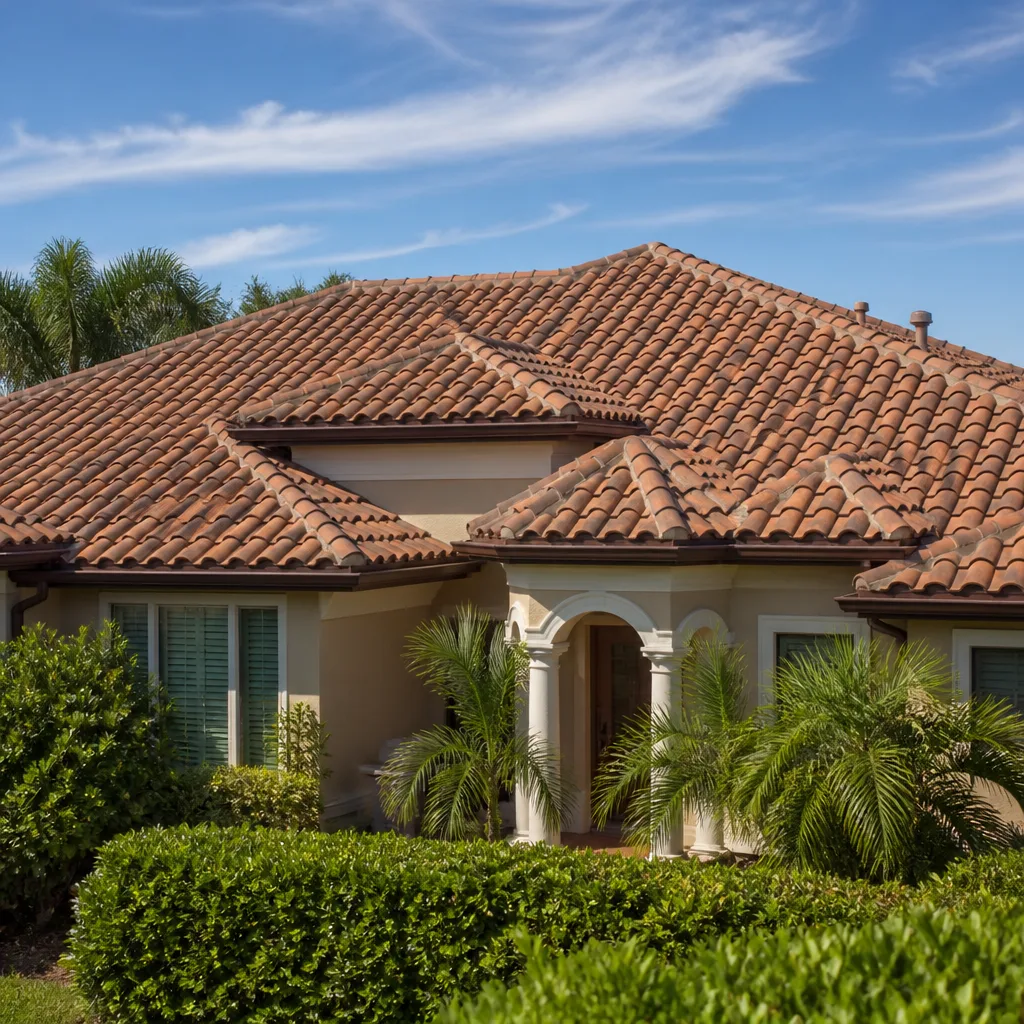 Tile roofing
 GAF
GAF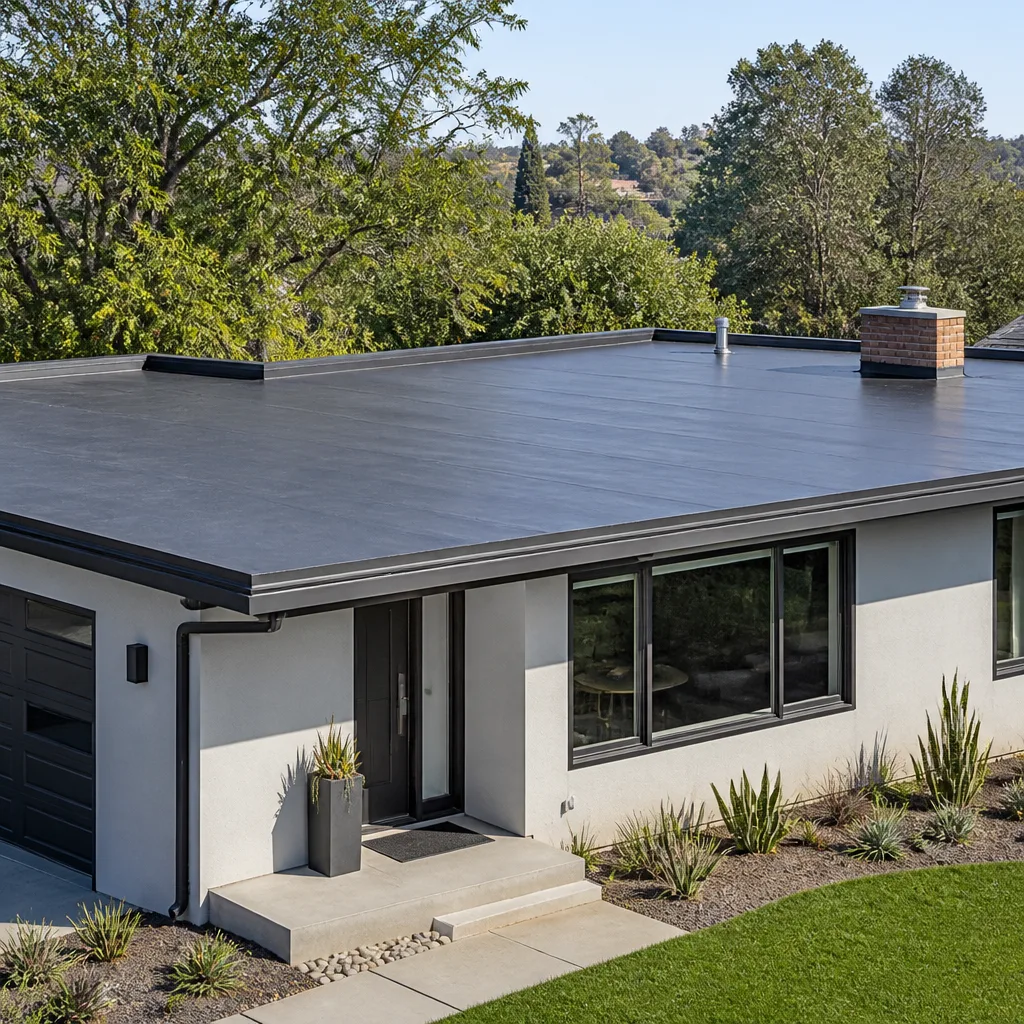 Flat & low-slope
Free roof inspection with deck photos before we talk money - GAF and Owens Corning certified installation
The Complete Guide to Roofing in San Antonio
San Antonio averages 220 sunny days a year. That’s more annual UV exposure than Miami, more than Houston, and more than nearly every Gulf Coast city you can name. Yet most roofing guides written for Texas homeowners are copy-pasted from national templates that never mention what relentless ultraviolet radiation actually does to asphalt shingles over a 10-year span. This guide is different. We’re writing it from the ground in San Antonio, where the sun, the hail corridors, and the post-storm contractor circus are not theoretical concerns but everyday realities. You’ll learn what your roof is up against, what it actually costs to fix or replace, which materials hold up in South Texas heat, and how to avoid the crews that vanish before the warranty claims arrive.
Quick Answer
A roofing system in San Antonio needs to be engineered for three forces: extreme UV exposure that ages shingles faster than warranty timelines assume, hail events that travel predictable corridors across Bexar County, and a contractor market that floods with out-of-town crews after every storm. A full replacement typically runs $8,500 to $16,000 for a standard single-family home, while targeted repairs usually land between $350 and $1,200. The single most important decision you’ll make isn’t the shingle brand; it’s choosing a contractor who puts prices, scope of work, and warranty terms in writing before the first nail goes in.
Styles & brands we work with
Table of Contents
- Why San Antonio’s Climate Chews Through Roofs Faster Than You Think
- UV Exposure and Heat Cycling: The Damage Hail Doesn’t Get Blamed For
- Hail Corridors and Storm Chasers: How to Tell the Difference Before You Sign
- Which Roofing Materials Actually Perform in South Texas Heat
- The Complete Roofing System: What’s Under the Shingles Matters More Than the Shingles
- Written Scopes of Work and Photo Documentation: Your Insurance Against Disputes
- What Roofing Costs in San Antonio in 2026
- The 7-Step Checklist for Hiring a Roofer in San Antonio
Why San Antonio’s Climate Chews Through Roofs Faster Than You Think
San Antonio sits at the intersection of three weather patterns that punish roofing materials in ways most national guides never mention. First, we get the relentless South Texas sun: 220-plus clear days a year with UV indices that routinely hit 10 or 11 in summer. Second, we sit in a hail belt that stretches from the Hill Country through Bexar County and down toward the coastal plains. Third, we get temperature swings that would be unremarkable in Denver but are brutal here because they’re paired with humidity. A roof in San Antonio can see a 40-degree temperature differential between 4 a.m. and 4 p.m. in the spring, and that thermal expansion and contraction works on every seam, nail, and seal on your roof.
What does this mean in plain terms? Asphalt shingles in San Antonio age faster than the manufacturer’s warranty timeline assumes. A shingle rated for 25 years in a temperate climate may start showing granule loss, curling, and brittleness at year 12 or 14 here. We’re not saying manufacturers are wrong; we’re saying their standard testing doesn’t replicate a San Antonio August. When we inspect roofs across neighborhoods like Alamo Heights, Stone Oak, and Helotes, we regularly see 15-year-old roofs that look 20 years old. The homeowners are always surprised, because they assumed the warranty meant the roof was fine. The warranty covers manufacturing defects, not climate-accelerated wear. That distinction matters when you’re budgeting for replacement.
The practical takeaway: don’t wait for a leak to start thinking about your roof. If your shingles are losing granules (check your gutters for sandy grit), curling at the edges, or showing dark patches where the asphalt is exposed, the clock is already running. A roof repair in San Antonio can address isolated damage, but if the wear is widespread, you’re looking at replacement sooner than the warranty date on the shingle wrapper suggests.
UV Exposure and Heat Cycling: The Damage Hail Doesn’t Get Blamed For
Every homeowner in San Antonio knows hail is a threat. What they don’t know is that UV radiation and heat cycling do more cumulative damage than most hailstorms. Here’s the mechanism: the asphalt in your shingles contains oils that keep the material flexible. UV radiation breaks down those oils over time, the same way sunlight fades and cracks a vinyl car dashboard. Once the oils are gone, the shingle becomes brittle. It can’t flex when the decking expands and contracts with temperature changes. It cracks. Once water finds a cracked shingle, you’ve got a slow leak that may not show up inside your home for months or years. By the time you see the water stain on the ceiling, the decking underneath may already be rotting.
Heat cycling works differently but compounds the problem. Your attic can hit 140 degrees on a July afternoon in San Antonio. At night, it drops back to ambient. That daily cycle makes the plywood decking expand and contract. Nails that were driven into the decking 15 years ago slowly back out, a condition roofers call nail pops. A nail pop creates a gap where water can enter. It also creates a high point under the shingle that can crack the shingle from underneath.
The fix for both problems is proper ventilation. A ridge vent paired with soffit vents allows hot air to escape the attic instead of baking your shingles from below. In our experience, a significant percentage of prematurely aged roofs in San Antonio don’t have adequate ventilation. The shingles weren’t defective. The attic was an oven. When we quote a replacement, we always check ventilation and include upgrades in the written scope if needed. It’s not an upsell; it’s the difference between a roof that lasts 15 years and one that lasts 25.
Hail Corridors and Storm Chasers: How to Tell the Difference Before You Sign
Hail in San Antonio doesn’t fall randomly across the city. Storms track along fairly predictable corridors, often moving from the northwest toward the southeast. Neighborhoods like Leon Valley, Shavano Park, and parts of Castle Hills have historically seen more frequent hail damage than areas further south and east. Insurance claims spike after major events, and within 72 hours, the out-of-town crews arrive. They set up in hotel parking lots, knock on doors in damaged neighborhoods, and promise same-week replacements at prices that undercut local contractors.
Here’s the problem with storm chasers: they’re gone before you know whether the work held up. A roof can leak for months before visible evidence appears inside your home. If the crew that installed your roof is based in Oklahoma or Louisiana, you’re not getting a warranty visit. You’re getting a phone number that doesn’t answer. We hear this story from San Antonio homeowners every single year.
How do you tell a rooted local contractor from a storm chaser? Ask these questions before you sign anything:
- Where is your office located? A physical address in Bexar County or a neighboring county is a strong signal. A P.O. box or an out-of-state address is a red flag.
- How long have you been roofing in San Antonio? A contractor who’s been installing roofs locally for 15 or 20 years has a reputation to protect. A storm chaser doesn’t.
- Will you put your warranty terms in writing? A written repair warranty that covers at least 365 days is standard for reputable local companies. Verbal promises are worthless.
- Do you use local crews or subcontract out-of-town teams? Local crews are accountable. Out-of-town subcontractors are not.
- What’s your process for documentation? A professional roofer takes before-and-after photos and provides a written scope of work. A storm chaser quotes a number over the phone and shows up unannounced.
Dylan Pace, our owner, has been roofing in San Antonio since 2000. He’s seen a dozen storm cycles come and go. The lesson from every cycle is the same: the homeowners who get burned are the ones who signed with the first crew that knocked on the door. The homeowners who come out ahead are the ones who took 48 hours to verify credentials, get everything in writing, and check local references.
Which Roofing Materials Actually Perform in South Texas Heat
Not every shingle on the market is suited for a San Antonio roof. Some are oversold by contractors chasing higher margins. Here’s an honest breakdown of what works and what to be skeptical about.
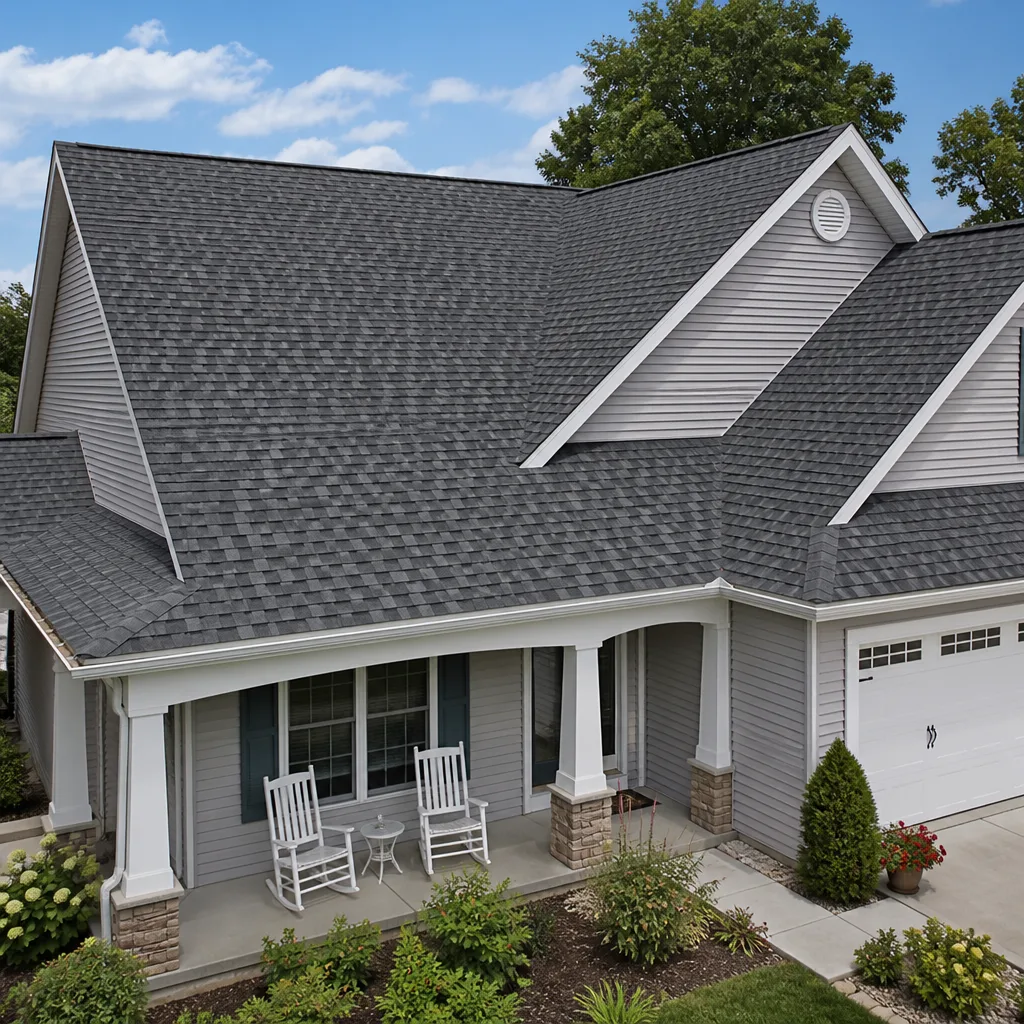
Architectural Asphalt Shingles: The Workhorse
For most San Antonio homes, architectural asphalt shingles are the right choice. They’re cost-effective, they hold up well under heat when paired with proper ventilation, and they’re available from every major manufacturer. We install and repair roofs using materials from GAF, CertainTeed, Owens Corning, IKO, Atlas, Tamko, and Boral. Within the asphalt category, look for shingles with a high wind rating (Class H or better) and a Class 4 impact rating if you’re in a hail-prone corridor. The impact rating matters more than the brand name. A Class 4 shingle from Atlas or Tamko will outperform a Class 3 shingle from a premium brand in a hailstorm, period.
Metal Roofing: The Heat Performer
Metal roofing outperforms asphalt in South Texas heat. It reflects more solar radiation, it doesn’t degrade from UV exposure the way asphalt does, and it can last 40 to 50 years with minimal maintenance. The upfront cost is higher, typically 1.5 to 2 times the cost of architectural asphalt. But for a homeowner planning to stay in their San Antonio home for 20 years, the math often works out. Standing seam metal is the premium option. Exposed fastener metal panels are cheaper but the fasteners eventually work loose in our heat cycling, which means more maintenance over time.
Clay and Concrete Tile: Beautiful but Heavy
Tile roofs are common in older San Antonio neighborhoods like Monte Vista and Olmos Park. They’re beautiful, they handle UV exposure extremely well, and they can last 50 years or more. But they’re heavy. Your home’s structure has to be engineered to support the load. If you’re replacing an asphalt roof with tile, you may need structural reinforcement, which adds cost. Tile also requires specialized flashing details and a skilled installer. This is not a job for a generalist crew.
What to Be Skeptical Of
Be wary of contractors pushing premium designer shingles without explaining why you need them. Designer lines from GAF and CertainTeed look great, but they command a 20 to 30 percent premium over standard architectural shingles with functionally identical performance in our climate. If you’re upgrading for aesthetics, that’s your call. Just know it’s an aesthetic upgrade, not a durability upgrade. Also be skeptical of any roofer who claims a particular brand is “the only shingle rated for Texas heat.” That’s marketing language, not engineering fact. All major asphalt shingle manufacturers produce products that perform adequately in South Texas when properly installed with adequate ventilation.
The Complete Roofing System: What’s Under the Shingles Matters More Than the Shingles
Shingles are the visible part of your roof, but they’re not the roof. A roofing system has multiple layers, and skipping any one of them compromises the others. Here’s what a complete system includes, from the deck up.
- Decking: The plywood or OSB layer nailed to your roof trusses. If it’s rotted, warped, or water-damaged, new shingles won’t fix the problem. A proper replacement starts with a deck inspection and replacement of any compromised sections.
- Underlayment: The water-resistant barrier between the decking and the shingles. In San Antonio, we recommend synthetic underlayment over traditional felt. Synthetic holds up better to our heat and provides better secondary water protection if shingles are blown off in a storm.
- Drip Edge: The metal strip along the eaves and rakes that directs water away from the fascia and into the gutters. It’s cheap, it’s essential, and it’s sometimes skipped by contractors cutting corners.
- Flashing: The metal strips that seal joints around chimneys, vents, skylights, and walls. Flashing failures are among the most common causes of roof leaks in San Antonio, because thermal expansion and contraction stresses these joints constantly. A roof’s flashing is only as good as the person who installed it.
- Ridge Ventilation: The exhaust vent at the peak of the roof that allows hot attic air to escape. Without it, your attic becomes a heat trap that cooks your shingles from below.
- Shingles: The top layer, the part you see, and the part most homeowners think is the whole roof.
When a contractor quotes you a “roof replacement” that only includes shingles and underlayment, they’re not giving you a complete system. You’ll pay for that omission in shortened lifespan and potential leaks. A roof replacement in San Antonio should be quoted as a complete system, with every layer itemized in the written scope of work. At Crestview Roofing Co San Antonio, we itemize every layer in our written quotes. You see exactly what you’re paying for before work starts, and the number on the quote is the number on the invoice.
Written Scopes of Work and Photo Documentation: Your Insurance Against Disputes
Here’s a scenario we’ve seen too many times. A homeowner hires a roofer. The roofer quotes $12,000 over the phone for a full replacement. The work gets done. The homeowner notices the flashing around the chimney looks different from what they discussed. The roofer says the quote didn’t include new flashing. The homeowner has no written scope of work to point to. The dispute ends in frustration, and the homeowner eats the cost of the flashing repair.
This is avoidable. Every reputable roofing contractor in San Antonio should provide a written scope of work before any work starts. The scope should itemize materials, quantities, and specific details like flashing replacement, ventilation upgrades, and decking repairs. If the contractor won’t put it in writing, don’t hire them.
Photo documentation is the second layer of protection. Before-and-after photos create a record of what was done. If a warranty dispute arises years later, you have evidence. The Relay Standard, which governs every Crestview job, includes before-and-after photo documentation, a live trackable arrival time, and a digital invoice sent by text. You know who’s coming, when they’ll arrive, what the work will cost, and what documentation you’ll receive. No surprises, no arguments.
The 365-Day Done Right Promise is the third layer. Every repair we complete is covered for a full year, in writing, included with every job. If a covered repair fails within 365 days, we correct it at no charge, including a free second visit. That’s a specific, enforceable promise; not a vague assurance of quality.
What Roofing Costs in San Antonio in 2026
Roofing costs in San Antonio have stabilized after several years of material price volatility, but they’re higher than pre-2020 levels. Here’s what you can expect to pay for common jobs in 2026.
| Job Type | Typical San Antonio Price Range |
|---|---|
| Minor repair (small leak, isolated shingle damage) | $350 – $650 |
| Moderate repair (flashing replacement, multiple shingle sections) | $600 – $1,200 |
| Major repair (structural decking section, extensive flashing work) | $1,200 – $2,500 |
| Full replacement (standard single-family home, architectural asphalt) | $8,500 – $16,000 |
| Full replacement (metal, standing seam) | $18,000 – $30,000 |
| Full replacement (clay or concrete tile) | $25,000 – $45,000 |
These ranges reflect what we see across San Antonio, from starter homes in Harlandale to larger properties in Stone Oak and Alamo Heights. The square footage drives most of the cost, but slope, accessibility, and the condition of existing decking and ventilation all matter. If your decking is rotted, your replacement will cost more than the base quote. If your attic lacks proper ventilation, adding ridge vents will add to the bill. A professional quote should account for all of these variables in writing, so the number you see is the number you pay.
Insurance can offset replacement costs if your roof was damaged by hail or wind. We recommend having a contractor inspect after any major storm, even if you don’t see obvious damage from the ground. Hail damage is often invisible to an untrained eye but obvious to a professional looking at the right spots: ridge caps, flashing seams, and the north-facing slopes where impact marks are most visible. A roof installation in San Antonio that follows insurance claim approval needs to meet your insurer’s requirements as well as local code; experience with both matters.
The 7-Step Checklist for Hiring a Roofer in San Antonio
If you take nothing else from this guide, take this. Run every roofing contractor in San Antonio through these seven steps before you sign a contract.
- Verify local presence. Ask for a physical San Antonio or Bexar County address. Check that the phone number is a Texas number. A contractor with local roots is answerable to local customers.
- Ask for written proof of insurance. Any roofer working on your home should carry liability insurance and workers’ compensation. Verify the policy is current. Don’t take their word for it.
- Request a written scope of work. The quote should itemize every layer of the roofing system, every material, and every specific detail including flashing and ventilation. Verbal agreements don’t hold up when disputes arise.
- Confirm warranty terms in writing. What’s covered? For how long? What’s the process if something fails? If the contractor hesitates to put warranty terms on paper, that’s a red flag.
- Ask about documentation. A professional roofer takes before-and-after photos and provides a written record of the work. This documentation protects you if a dispute arises years later.
- Check local references. Ask for references from San Antonio projects completed in the last two years. Call them. Ask whether the final invoice matched the quoted price and whether the contractor was responsive after the job was done.
- Compare at least three quotes. Don’t rush this. A storm chaser’s deadline pressure is designed to make you sign before you’ve done your homework. A reputable contractor doesn’t need to pressure you.
Common Mistakes to Avoid
- Signing with the first storm-chaser who knocks on your door. Out-of-town crews descend on San Antonio after every major hail event. They offer fast replacements at low prices, then disappear before warranty claims arise. Take 48 hours to verify any contractor before signing.
- Assuming a manufacturer warranty means your roof is protected. Manufacturer warranties cover defects in the shingles themselves, not damage from San Antonio’s UV exposure, heat cycling, or installation errors. Workmanship warranties from the contractor are what actually protect you.
- Replacing shingles without checking the decking and ventilation. If the decking underneath is rotted or the attic isn’t ventilated, new shingles will fail prematurely. A complete system includes every layer.
- Accepting a quote without a written scope of work. Without itemized documentation, you have no recourse if the contractor skips flashing, uses cheap underlayment, or bills for decking that wasn’t replaced. Written scope or no deal.
- Choosing materials based on brand name alone. Brand loyalty won’t save your roof from hail. Impact rating, wind rating, and proper installation matter more than the logo on the wrapper.
- Waiting for a leak to start before calling a roofer. By the time water stains appear on your ceiling, the damage underneath may have been progressing for months. Annual inspections catch problems early, when they’re cheaper to fix.
- Skipping the contractor’s insurance verification. If a worker is injured on your property and the contractor doesn’t carry workers’ compensation, you could be liable. Verify insurance before the crew pulls into your driveway.
See the difference
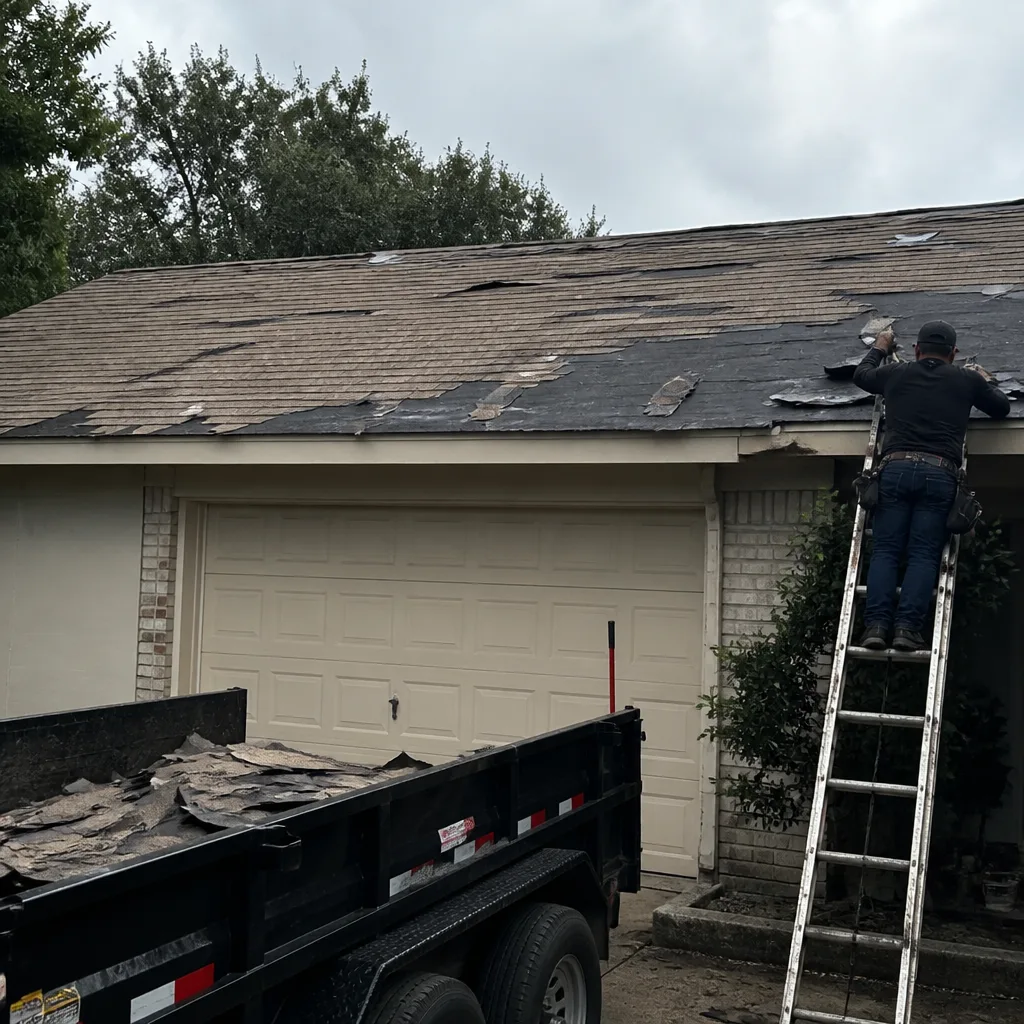 Before
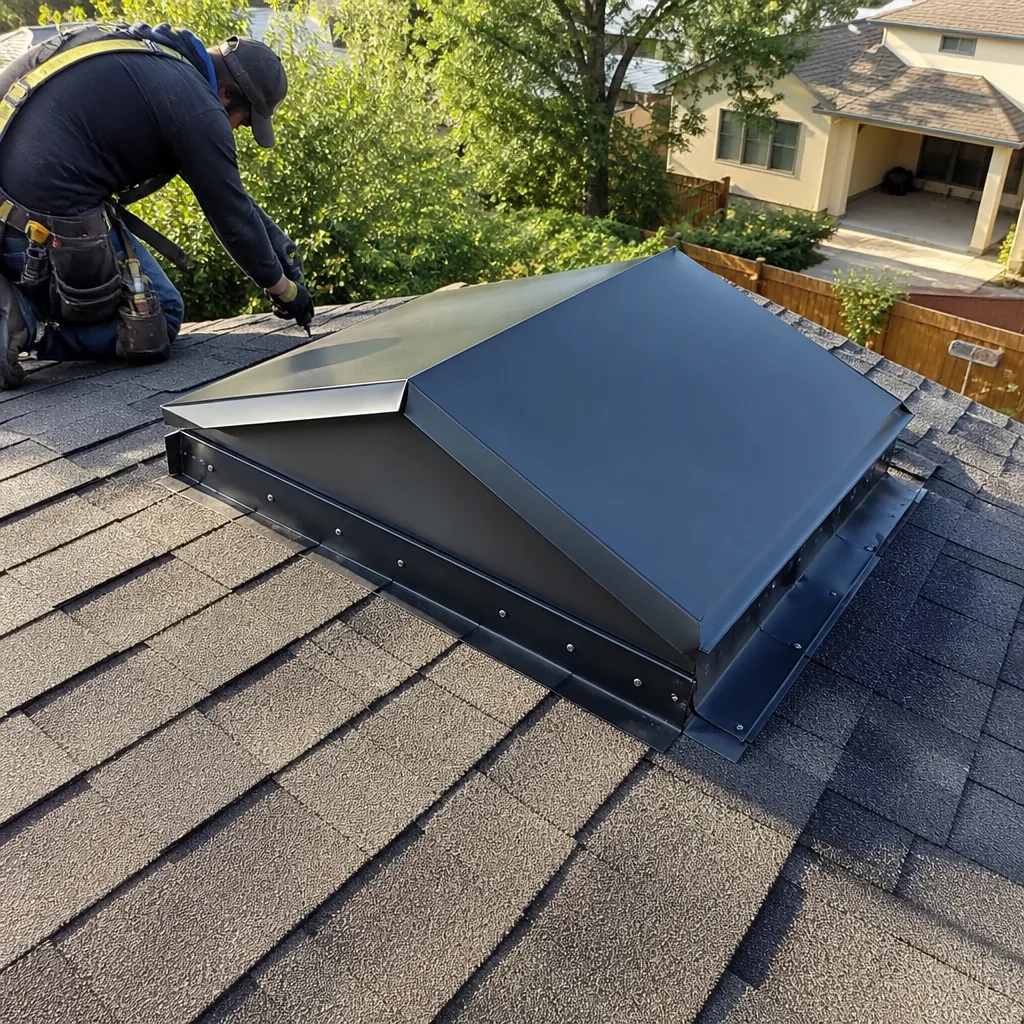 After
After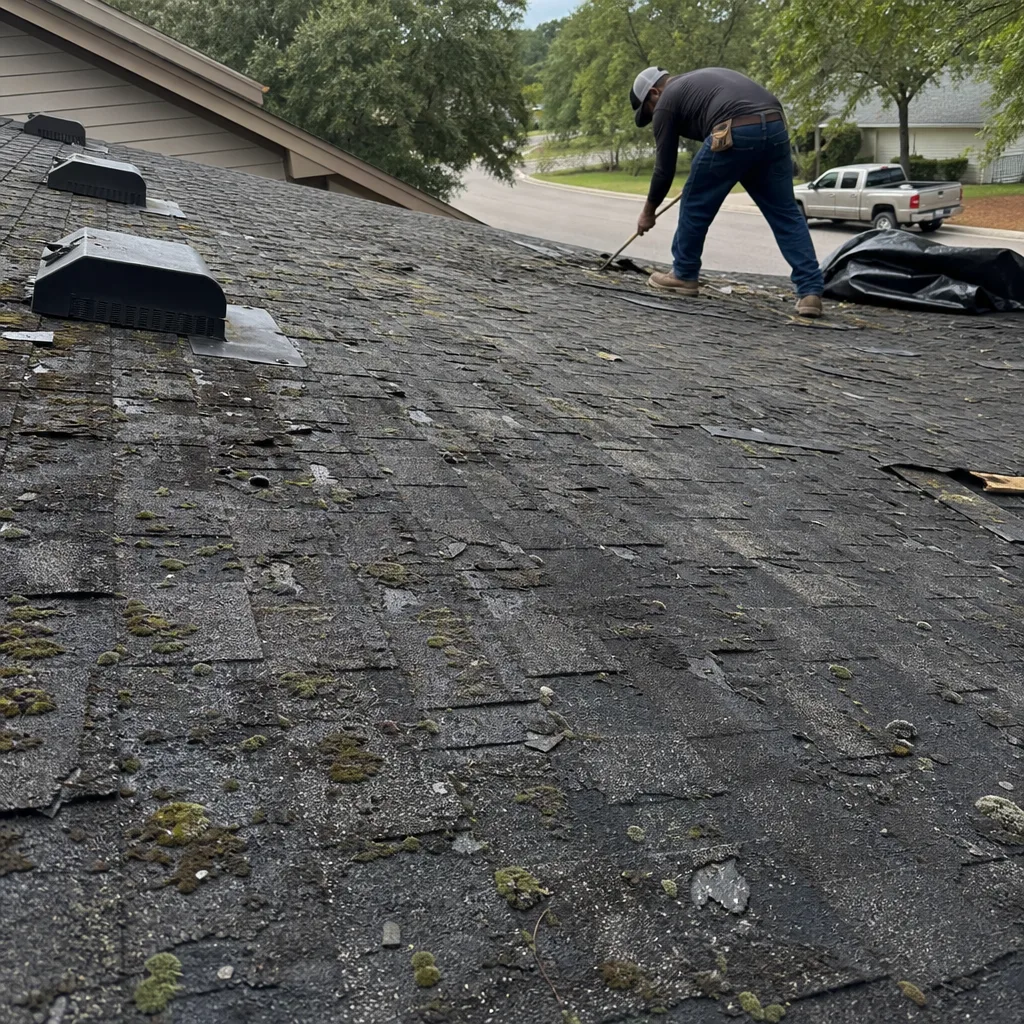 Before
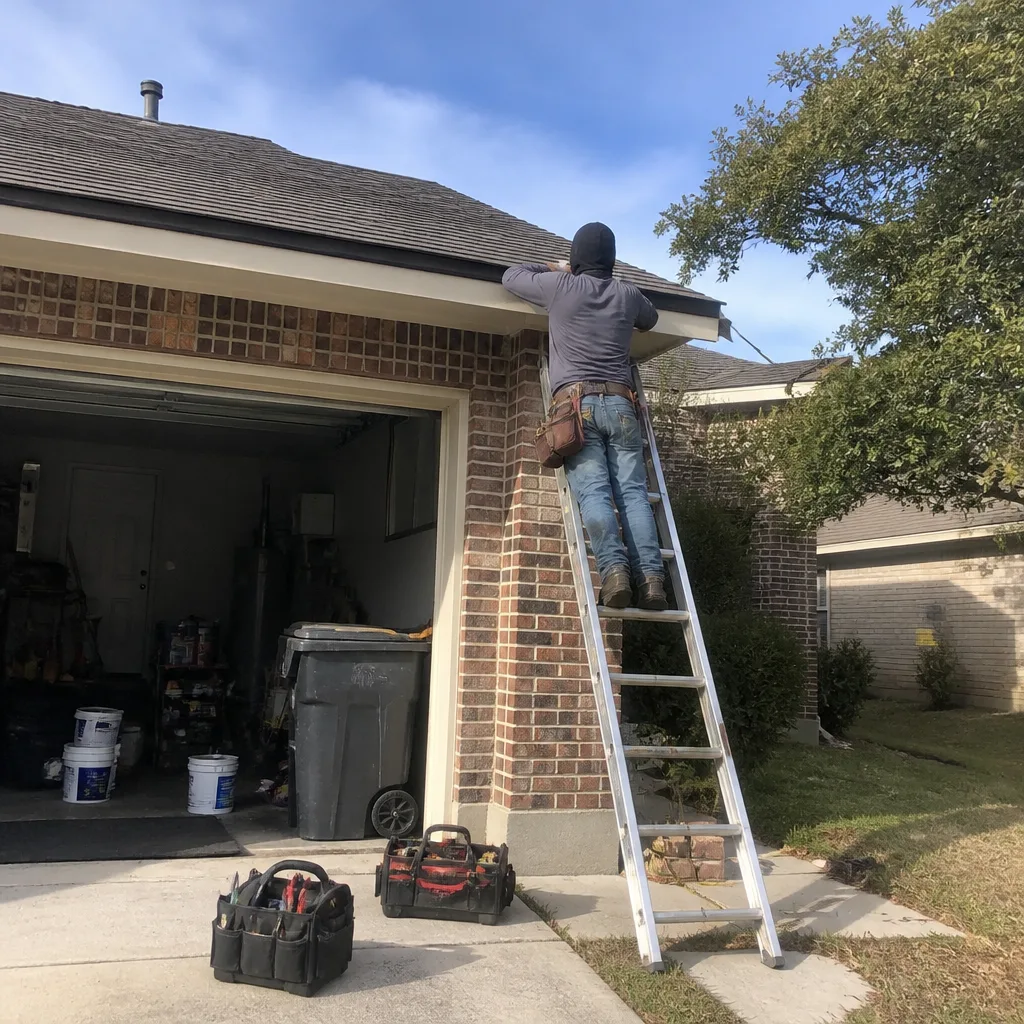 After
After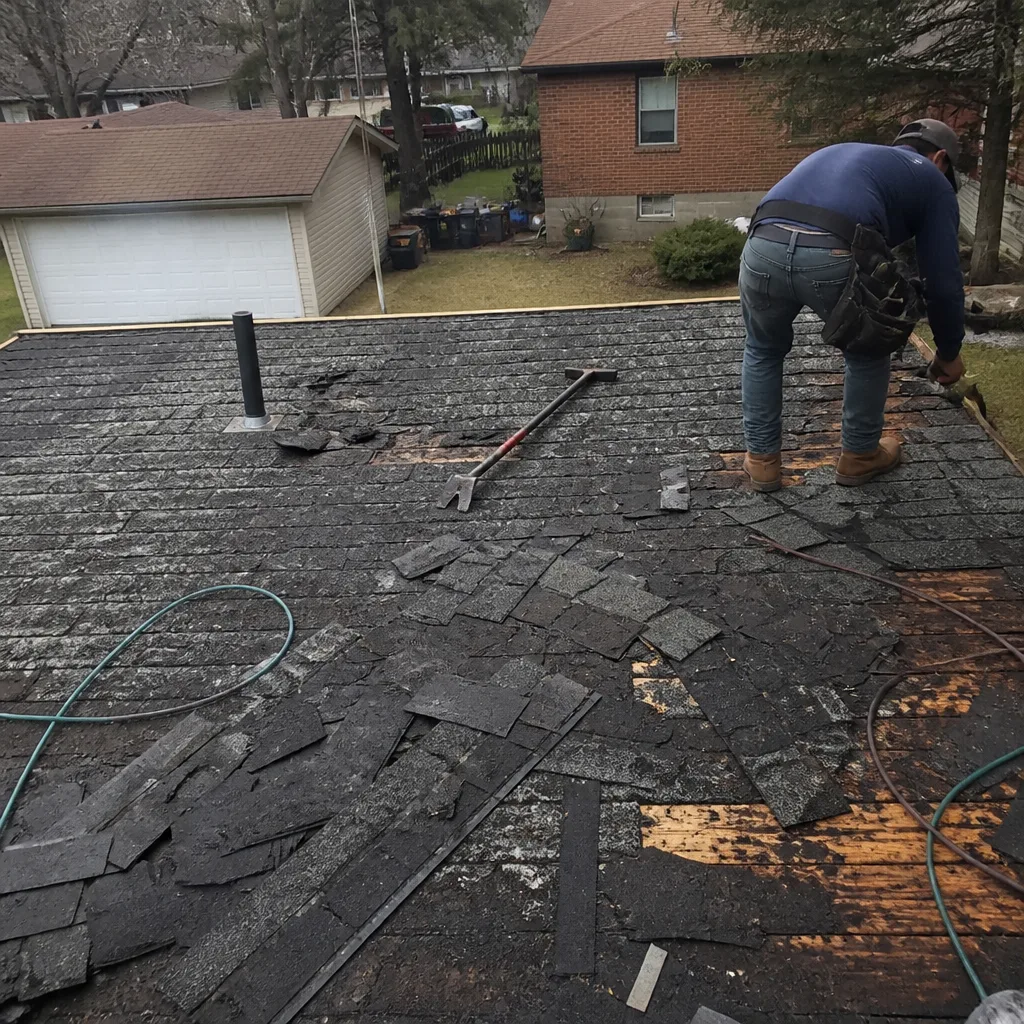 Before
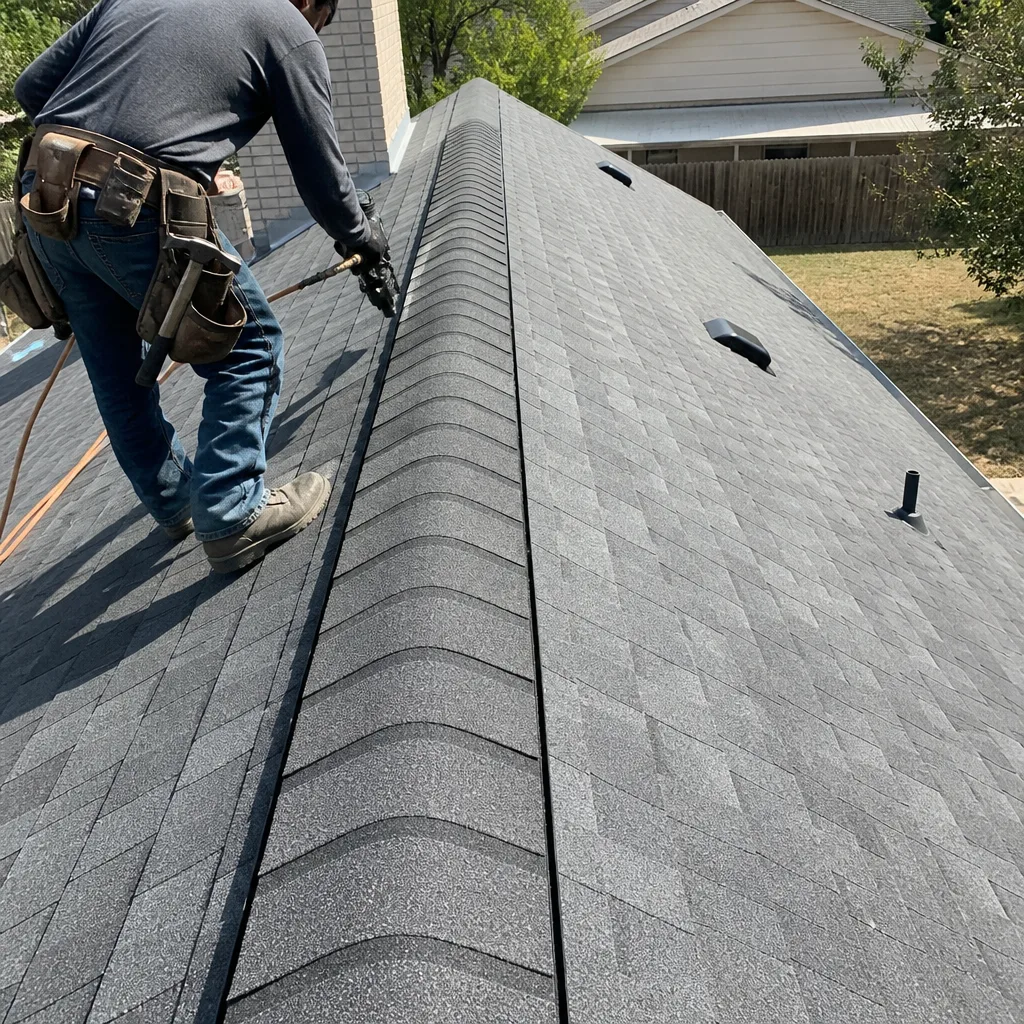 After
AfterWhen to Call a Professional
Some roofing problems are obvious: a tree limb through the deck, shingles scattered across the yard after a storm, water actively dripping into your living room. Those are emergencies. But most roofing issues in San Antonio are quieter. If you see granule buildup in your gutters, curling shingle edges, dark patches on the roof, or water stains on interior ceilings, call a professional for an inspection. Use our roof repair maintenance checklist to track warning signs. These are signs of wear that a trained eye can evaluate quickly, and addressing them early costs far less than waiting for structural damage. Crestview Roofing Co San Antonio offers free estimates in San Antonio. Call (361) 209-8857 and a live person will answer; no voicemail loops, no waiting until Monday.
Frequently Asked Questions
A full roof replacement for a standard single-family home in San Antonio typically costs between $8,500 and $16,000 for architectural asphalt shingles, depending on square footage, slope, and the condition of the existing decking. Metal and tile roofs run higher. The most accurate way to know your cost is a written, itemized estimate. Call (361) 209-8857 to schedule a free roof estimate in San Antonio.
An asphalt shingle roof in San Antonio typically lasts 12 to 18 years, not the 25 to 30 years the manufacturer’s warranty suggests. UV exposure and heat cycling accelerate shingle aging in our climate. Proper attic ventilation can extend the lifespan meaningfully.
In many cases, yes, a minor roof leak can be temporarily addressed the same day you call. Whether we can provide a same-day visit depends on current scheduling and weather conditions. The 365-Day Done Right Promise covers every repair we complete for a full year, including a free second visit if the repair fails. Call (361) 209-8857 and we’ll give you an honest answer about timing.
Yes. Roof replacement in San Antonio requires a permit, and a professional contractor should handle the permit process as part of the job. Every Crestview job follows The Relay Standard: written pricing before work starts, before-and-after photo documentation, a live trackable arrival time, and a digital invoice by text. Permits are part of the process, not an afterthought.
The 365-Day Done Right Promise covers every repair for 365 days after completion. If a covered repair fails within that year, we correct it at no charge, including a free second visit. The guarantee is provided in writing, included with every job at no extra cost.
No. Crestview Roofing Co San Antonio was founded in 2000 and is part of the Relay Home Co. family. We’re a rooted local contractor with a physical presence in the San Antonio area and a reputation to protect after every storm season. Our owner, Dylan Pace, has been roofing in San Antonio for over two decades. Visit our Crestview Roofing Co San Antonio home page to learn more about how we work.
The Bottom Line
Your roof in San Antonio is a system engineered for a specific climate, not a generic home improvement project. The sun, the hail corridors, and the heat cycling of Bexar County punish roofing materials in ways national guides don’t explain. The material you choose matters, but the installation quality, ventilation, and documentation matter more. Get every quote in writing. Confirm warranty terms on paper. Verify the contractor’s local roots and insurance. And when you’re ready for an honest assessment of your roof, call Crestview Roofing Co San Antonio at (361) 209-8857 for a free estimate. A live person answers, 24/7, and you’ll get a written price before any work starts.
Written by Dylan Pace, Owner at Crestview Roofing Co San Antonio, serving San Antonio since 2000.