
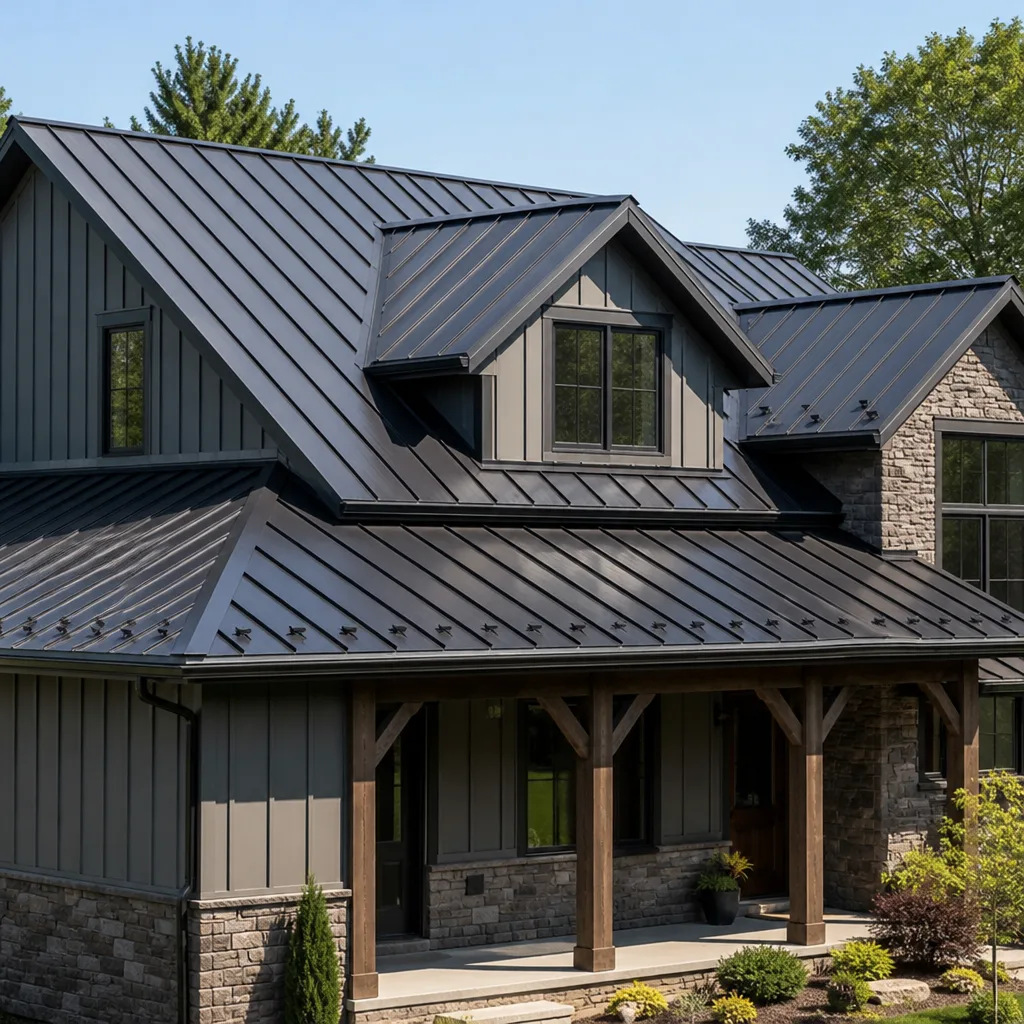
 Metal roofing
 Architectural shingles
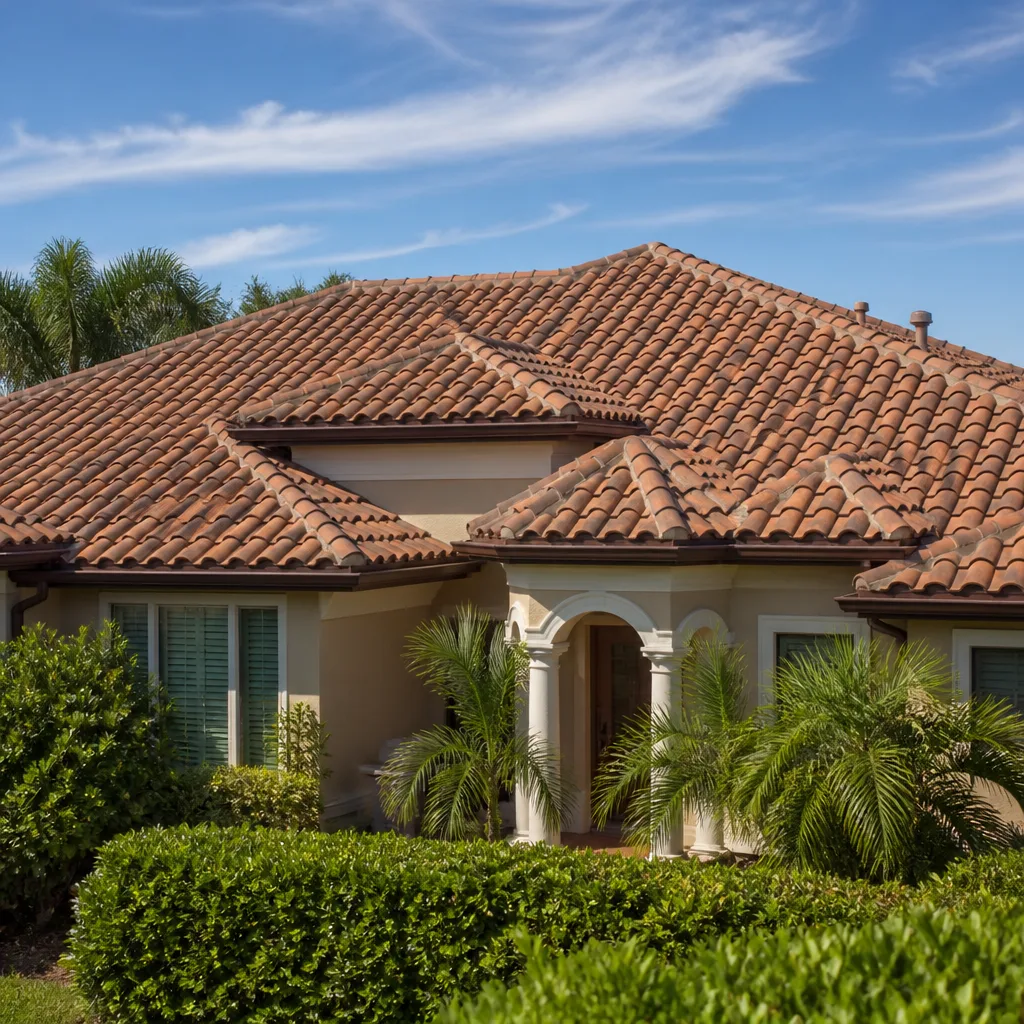 Tile roofing
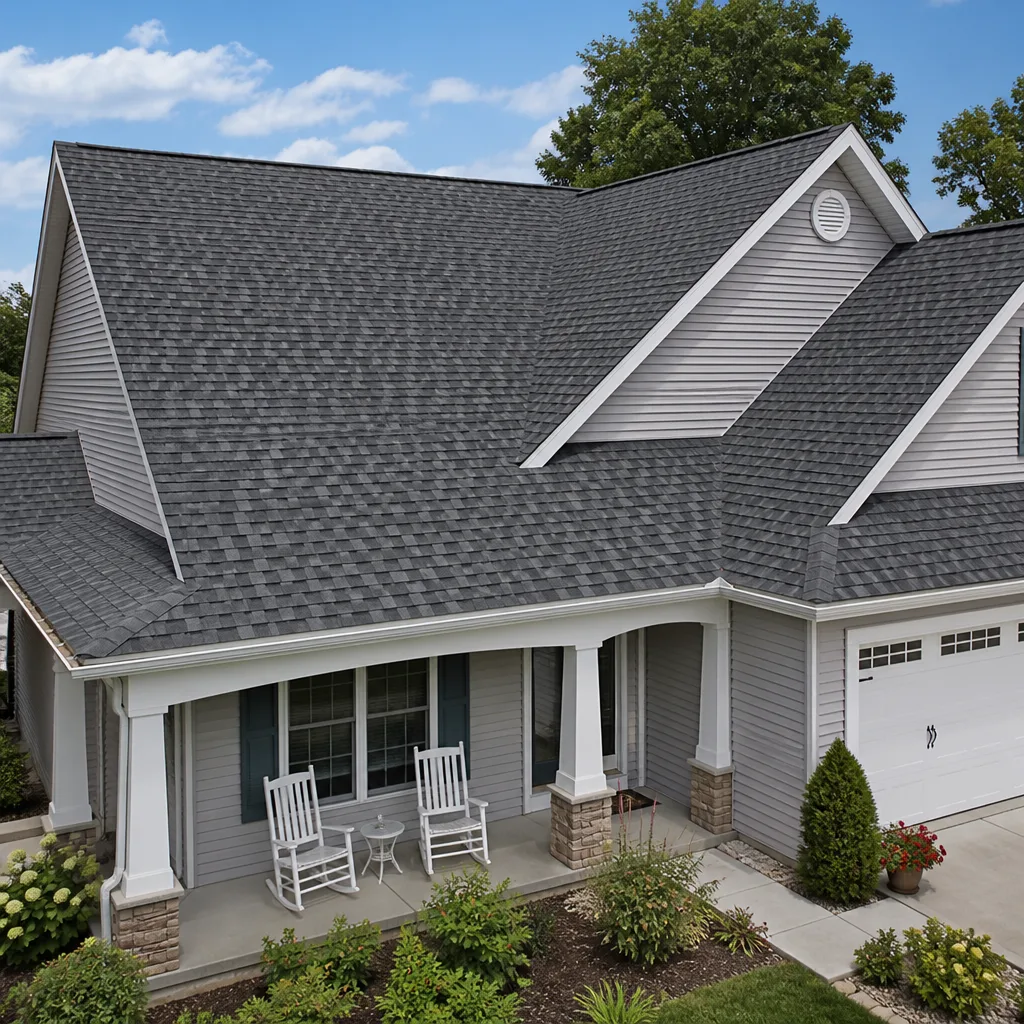 GAF
GAF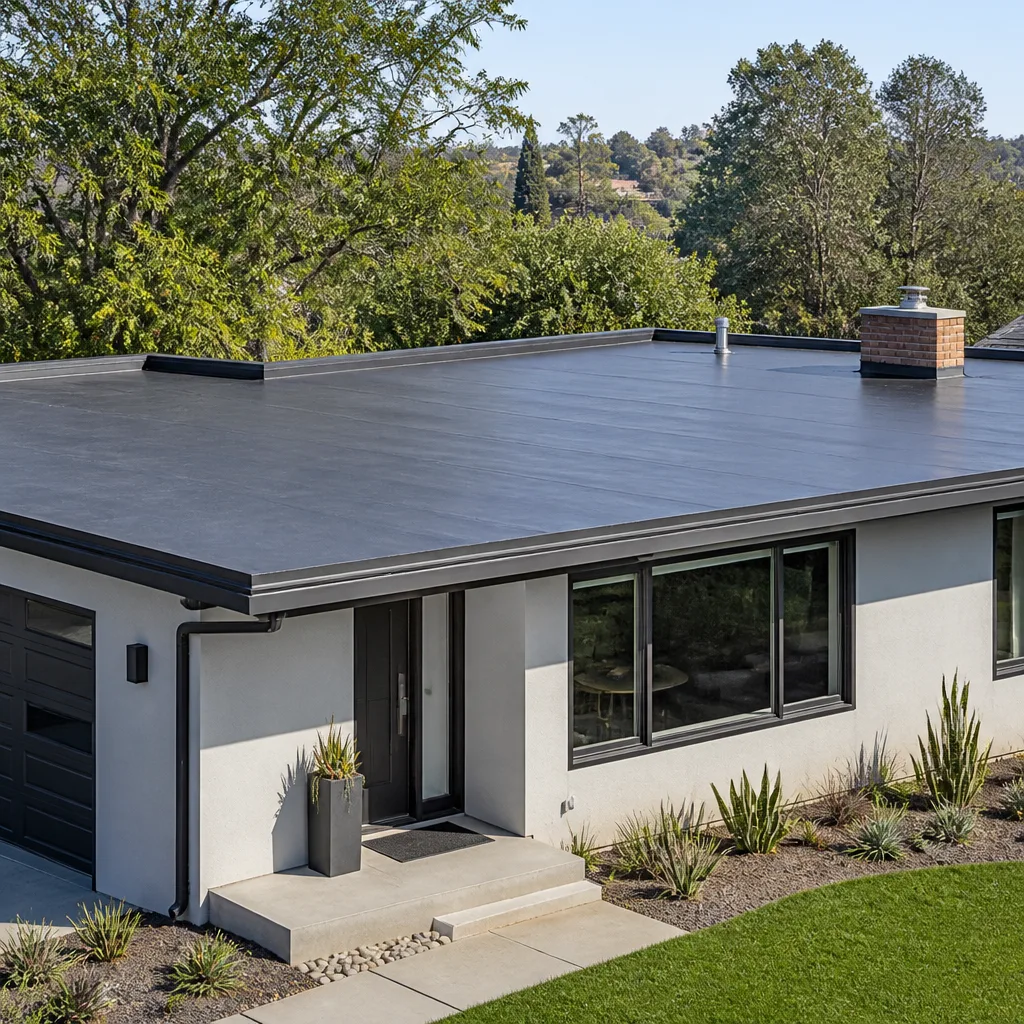 Flat & low-slope
Free roof inspection with deck photos before we talk money - GAF and Owens Corning certified installation
Atlas Gutter Replacement: The San Antonio Owner’s Guide
Replacing Atlas gutters in San Antonio typically runs $8 to $14 per linear foot installed, with most single-story homes landing between $1,200 and $2,800 for a full gutter replacement. We stock Atlas-compatible gutter sections, end caps, hangers, and downspout fittings on our trucks, so most Atlas gutter replacement jobs are finished the same day we start. The way San Antonio homeowners usually find the problem: a seam opens up after a heavy thunderstorm, a downspout separates at the elbow, or a section pulls away from the fascia after years of oak pollen and limestone dust have eaten through the original sealant.
Atlas gutters are contractor-grade aluminum and galvanized steel systems installed on thousands of homes across Bexar County, from Alamo Heights to Stone Oak to Helotes. They hold up well against Texas heat, but nothing lasts forever against San Antonio’s specific combo of hard rain, intense UV, and tree debris. The good news is that we match Atlas profiles exactly, so you’re not stuck redoing the whole run when one section fails.
Which Atlas Models This Applies To
Atlas produces two main gutter lines we see across San Antonio: the standard 5-inch K-style aluminum profile and the 6-inch commercial-width profile used on larger ranch homes and metal-roof installations. Most residential Atlas gutters in this market are 5-inch K-style, which has a flat back, a decorative front that mimics crown molding, and a shallow trough that carries roughly 1.2 gallons per linear foot per minute. The 6-inch version carries closer to 2 gallons per minute and shows up on homes with steep roof pitches or oversized valleys that dump water faster than standard gutters can handle.
To identify your Atlas profile before you call, measure the opening across the top of the gutter. If it’s about 5 inches, it’s the standard K-style. If it’s about 6 inches, it’s the commercial-width profile. Also check the downspout: Atlas 5-inch systems use 2×3-inch downspouts, while the 6-inch systems use 3×4-inch downspouts. The hangers matter too. Atlas uses both hidden hangers (brackets that clip under the front lip and screw through the back into the fascia) and older spike-and-ferrule fasteners. If your gutters have visible nail heads along the front face, that’s the older Atlas fastening method and it’s usually the first thing to fail. We stock both hanger types. For OEM vs. aftermarket: Atlas-branded sections carry a 20-year finish warranty from the manufacturer, but quality aftermarket K-style aluminum in the same gauge and profile physically matches and runs about 15 to 20 percent less. We install both and will show you the difference in writing before any work starts.
Styles & brands we work with
Signs Your Atlas Gutter Replacement Is Failing
- Water spilling over the front lip during rain. This usually means the gutter pitch has shifted because the original Atlas hangers have pulled loose from the fascia, or the downspout is clogged with debris and water has nowhere to go except over the edge.
- Visible gaps at the seams or end caps. Atlas sectional gutters are joined at seams and capped at the ends with sealant. San Antonio’s summer heat bakes that sealant until it cracks, which is why most section failures in this area happen at the joints rather than mid-run.
- Sagging or pulling away from the roofline. The weight of standing water plus saturated leaf debris eventually overwhelms old spike-and-ferrule fasteners. You’ll see the gutter tilt forward or the spikes backing out of the fascia board.
- Rust streaks or peeling paint on the gutter face. Atlas galvanized steel sections can rust through at the bottom once the protective coating wears off. On aluminum sections, it’s usually failing paint and oxidation that leaves a chalky white residue that rubs off on your hand.
- Pooling water or erosion at the foundation. When the downspout elbows separate or the boot at the bottom cracks, water dumps right at the slab edge. In San Antonio’s expansive clay soil, that means foundation movement over time, which is a far more expensive problem than a gutter section.
See the difference
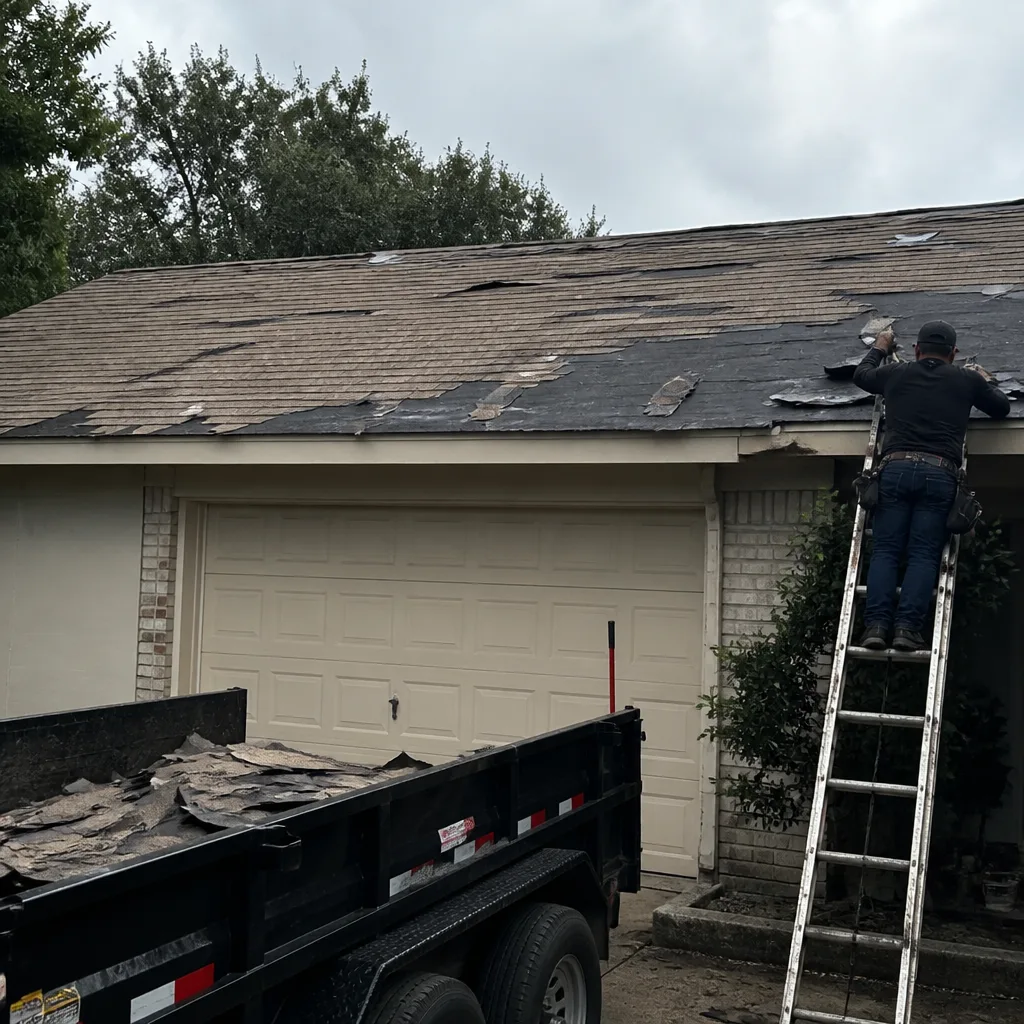 Before
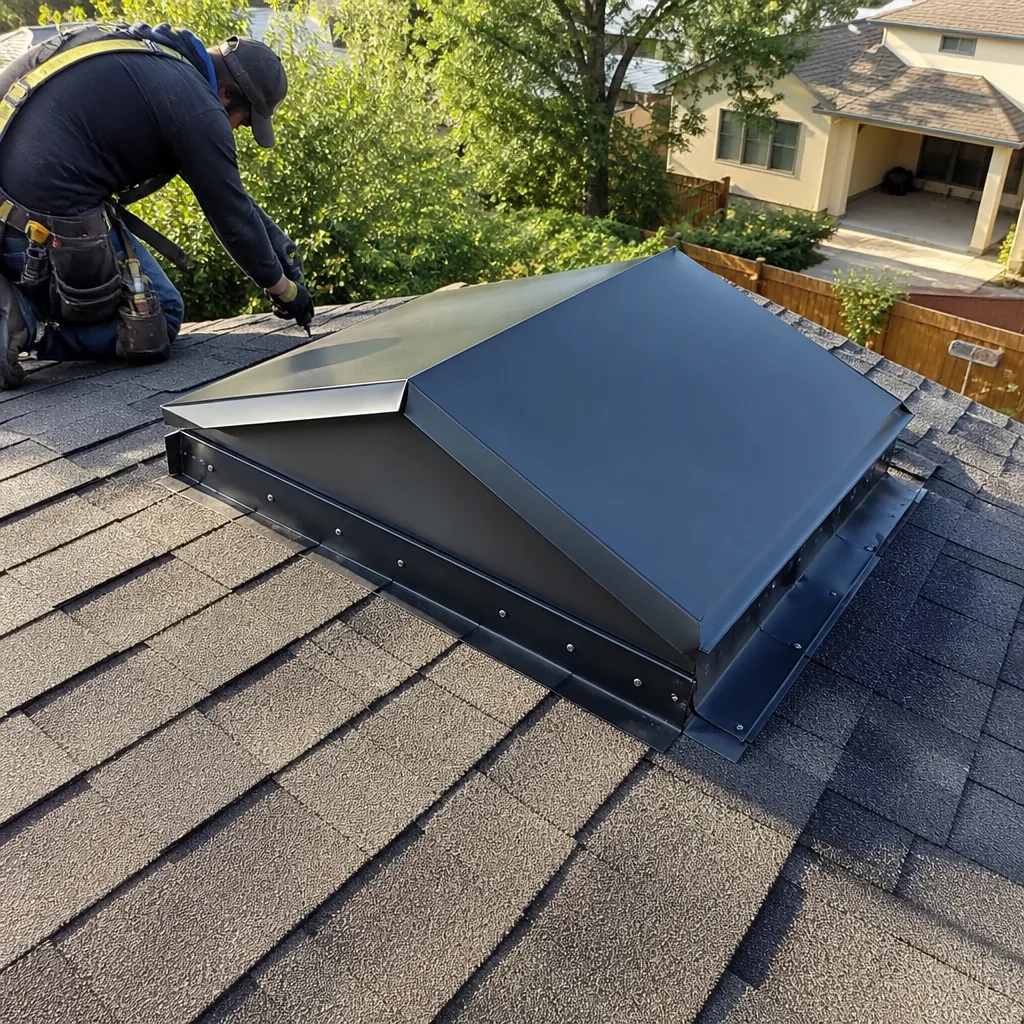 After
After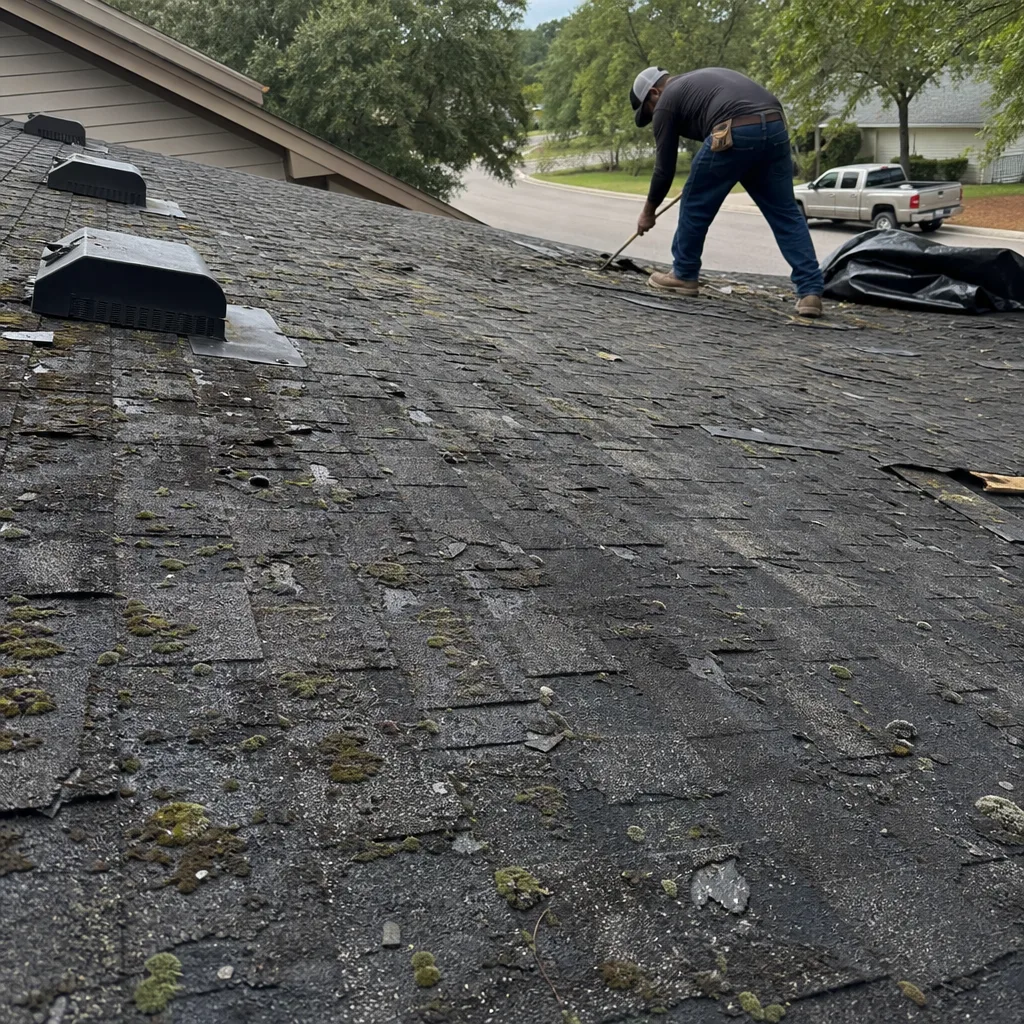 Before
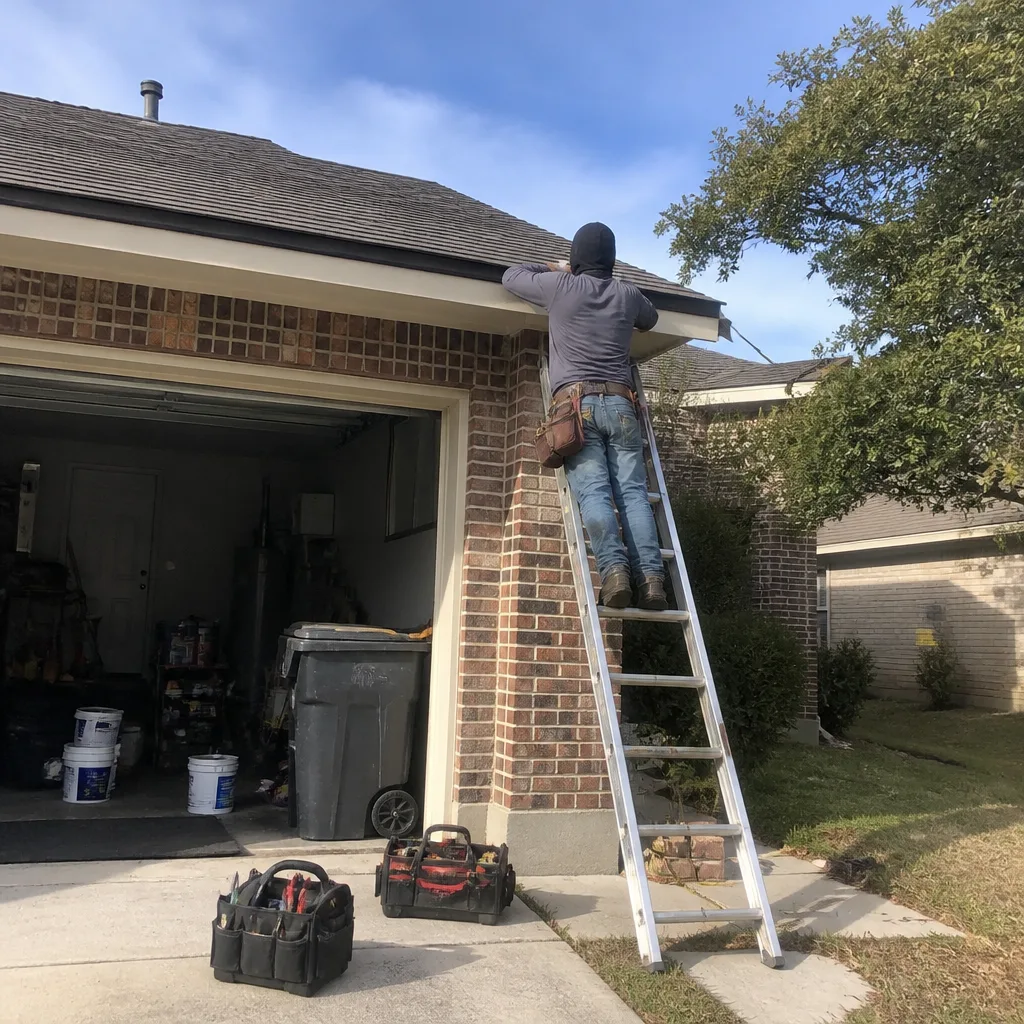 After
After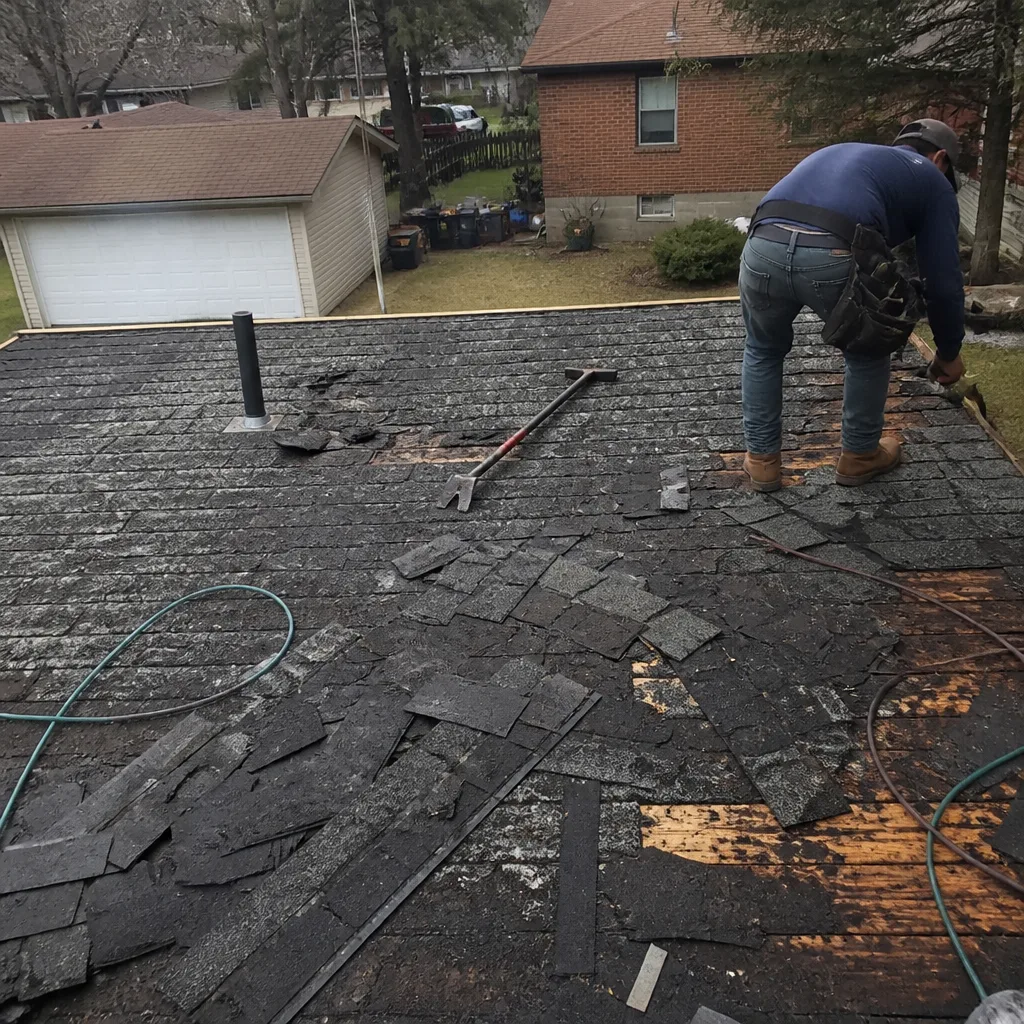 Before
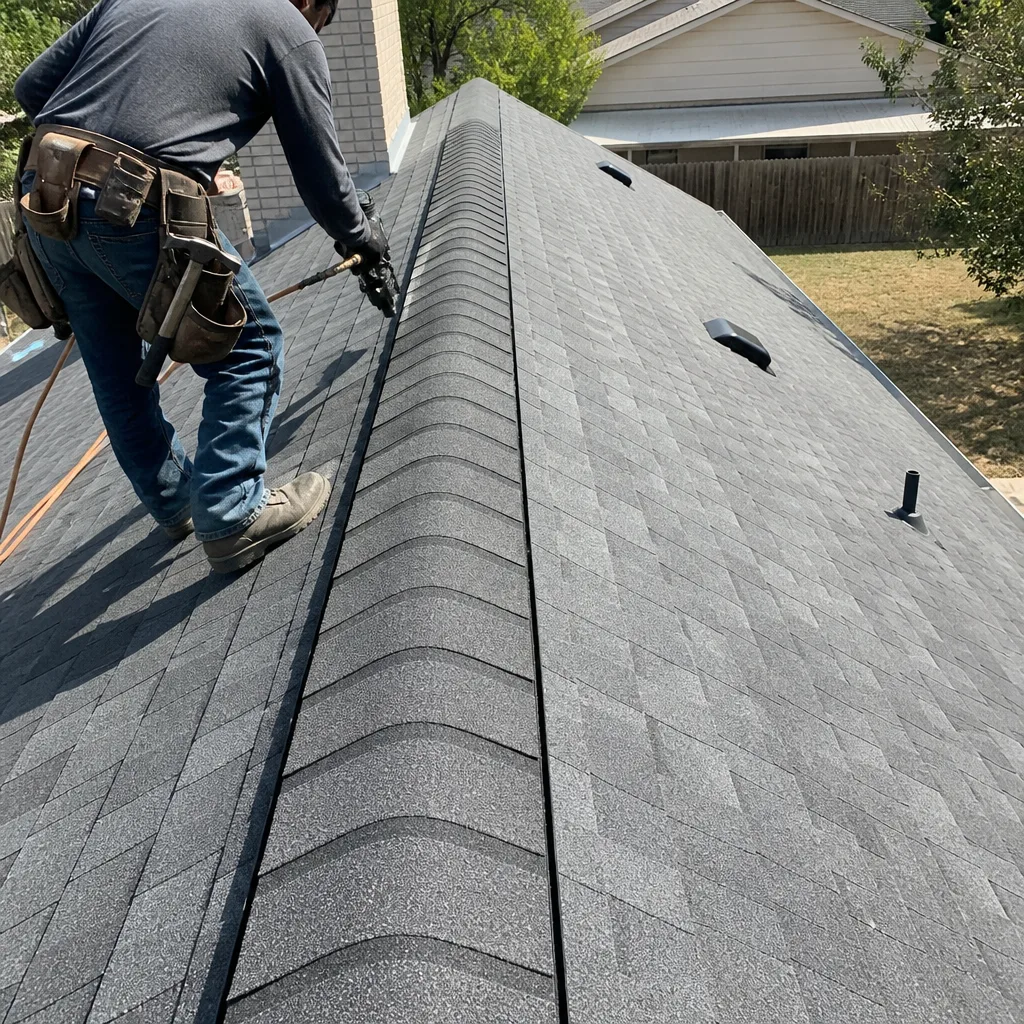 After
AfterReplacement Cost & What’s Included
Most Atlas gutter replacement work in San Antonio falls between $1,200 and $2,800 depending on linear footage, gutter width, and whether we’re replacing sections, downspouts, or the full run. Here’s the breakdown:
- Single-section replacement (up to 10 feet): $180 to $340 installed, including matching Atlas-compatible aluminum, end caps, sealant, and hangers.
- Full gutter replacement on a single-story home (120-160 linear feet): $1,200 to $2,200 installed with standard 5-inch K-style aluminum and 2×3 downspouts.
- Full replacement with 6-inch commercial-width profile: $1,800 to $2,800 installed, depending on hanger upgrades and downspout count.
Every quote includes the tear-off of the old sections, haul-away, fresh hangers on at least 24-inch centers, and exterior-grade sealant at every seam. The price we write down before work starts is the price you pay, full stop. We also put the warranty in writing: 365 days on the entire repair, covering any seam separation, hanger pull-out, or leak at the joints. If something fails within that year, we come back and fix it at no charge. No negotiation, no runaround.
DIY or Call Us?
Replacing a sagging or leaking Atlas gutter section isn’t the most dangerous job on a roof, but it is an awkward one. You’re working from a ladder, handling 10-foot sections of metal that want to bend at the wrong moment, and drilling into fascia that may be soft from years of water exposure. What homeowners can safely do: clean out the debris, inspect the hangers, and take photos of the failed sections so you know exactly what to describe when you call. What goes wrong with DIY: buying the wrong profile, under-tightening hangers so the section sags again in six months, or nailing into rotted fascia that needs repair first. If your Atlas gutters are two stories up or the fascia shows signs of rot, call us at (361) 209-8857. We’ll come out, measure, and hand you a written price before any work starts.
FAQs
Aluminum Atlas gutters typically last 15 to 20 years in San Antonio’s climate, while galvanized steel sections can go 10 to 15 years before rust through at the seams. The biggest lifespan killers here are intense UV exposure, oak pollen buildup, and the freeze-thaw cycle that flexes seams and cracks sealant.
We can sometimes reseal a seam or replace an end cap, but if the metal is rusted through, the section is bent, or the hangers have pulled out repeatedly, replacement is the cheaper long-term fix. We’ll show you the section up close before recommending either way, and the repair cost comes in writing first.
Most single-section replacements take under two hours, and a full single-story gutter replacement runs a half day to a full day. Two-story homes can take a day and a half depending on ladder access and downspout runs. You’ll get a confirmed arrival time before we head your way, and we’ll text you photos of the finished work, not just a bill.
Yes, our San Antonio trucks carry 5-inch and 6-inch K-style aluminum sections, end caps, hidden hangers, spike-and-ferrule fasteners, downspout elbows, and 2×3 and 3×4 downspout pipe. If your Atlas profile is an unusual color or gauge, we’ll order it and have it within a few days. Call (361) 209-8857 and we’ll match it before we arrive.
Written by Dylan Pace, Owner, Crestview Roofing Co San Antonio at Crestview Roofing Co San Antonio, serving San Antonio and nearby areas.