
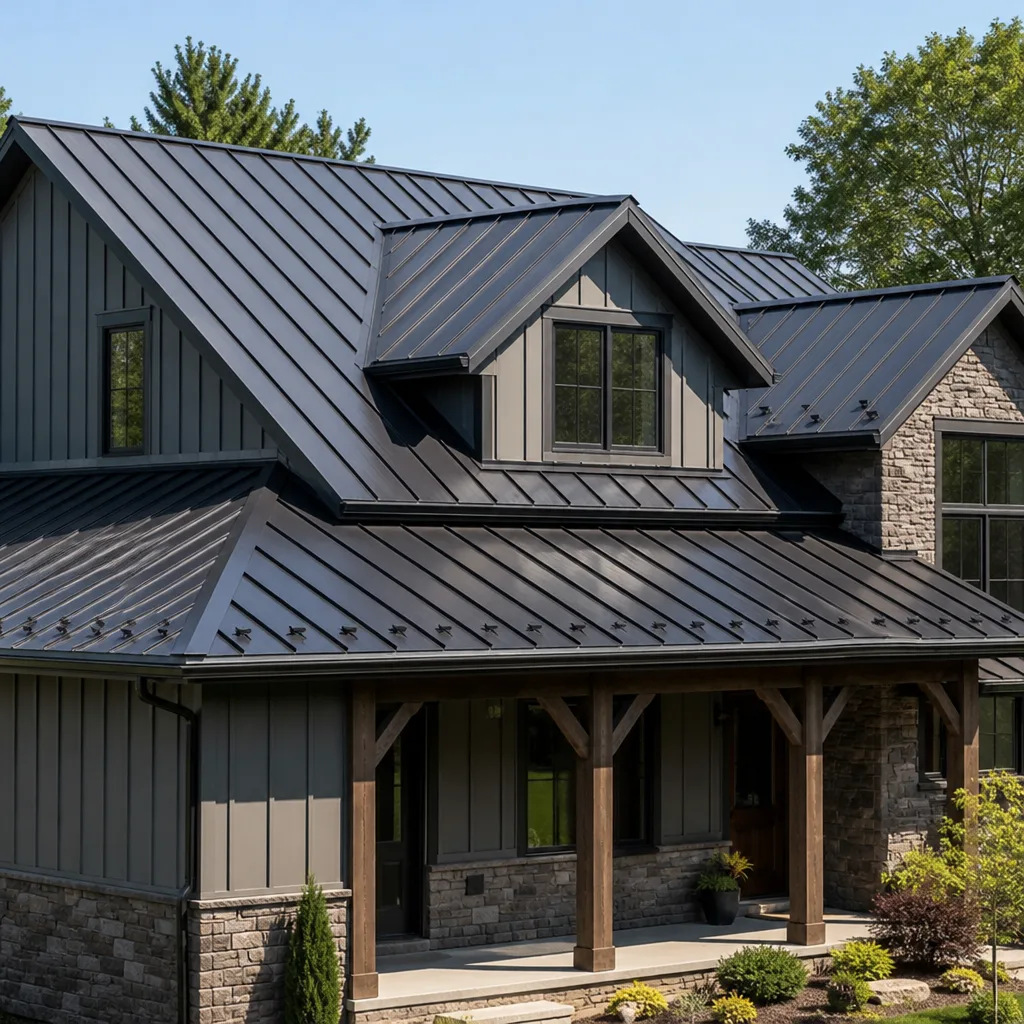
 Metal roofing
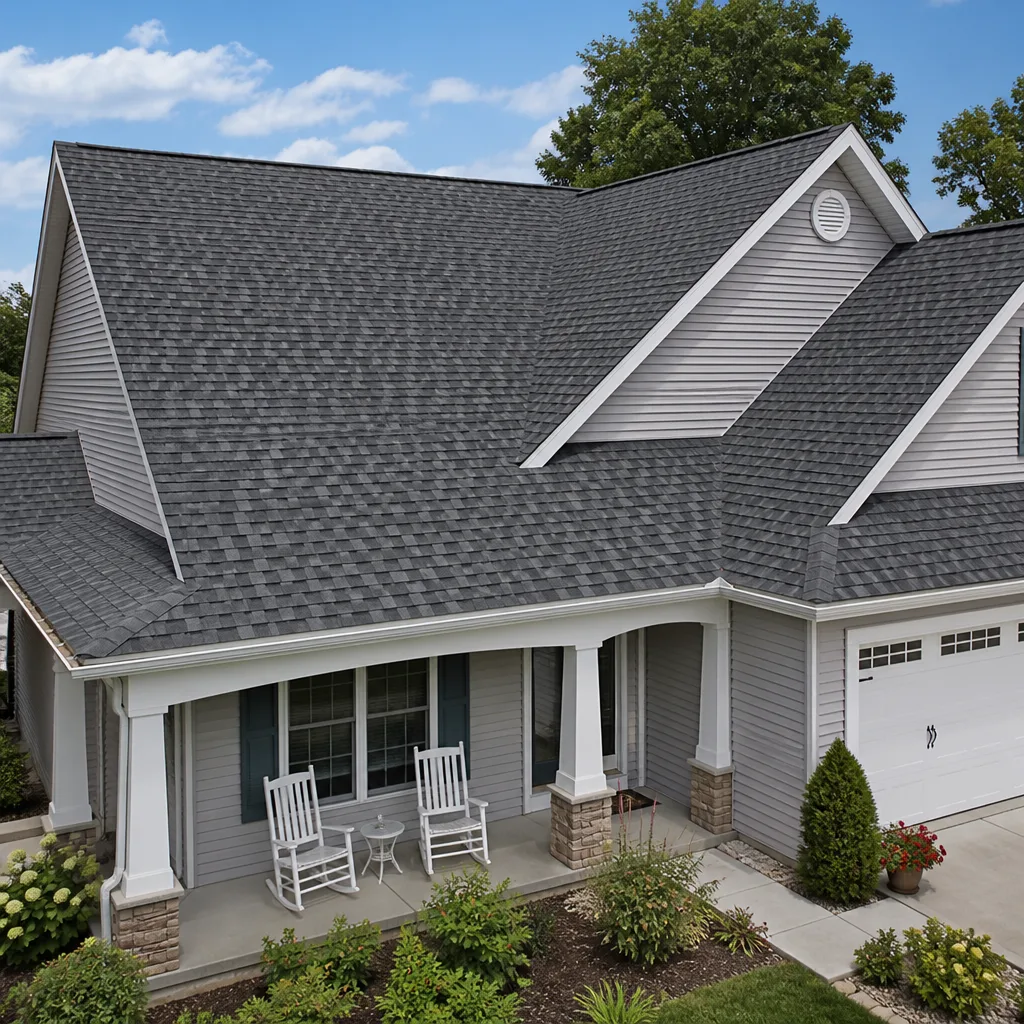
 Architectural shingles
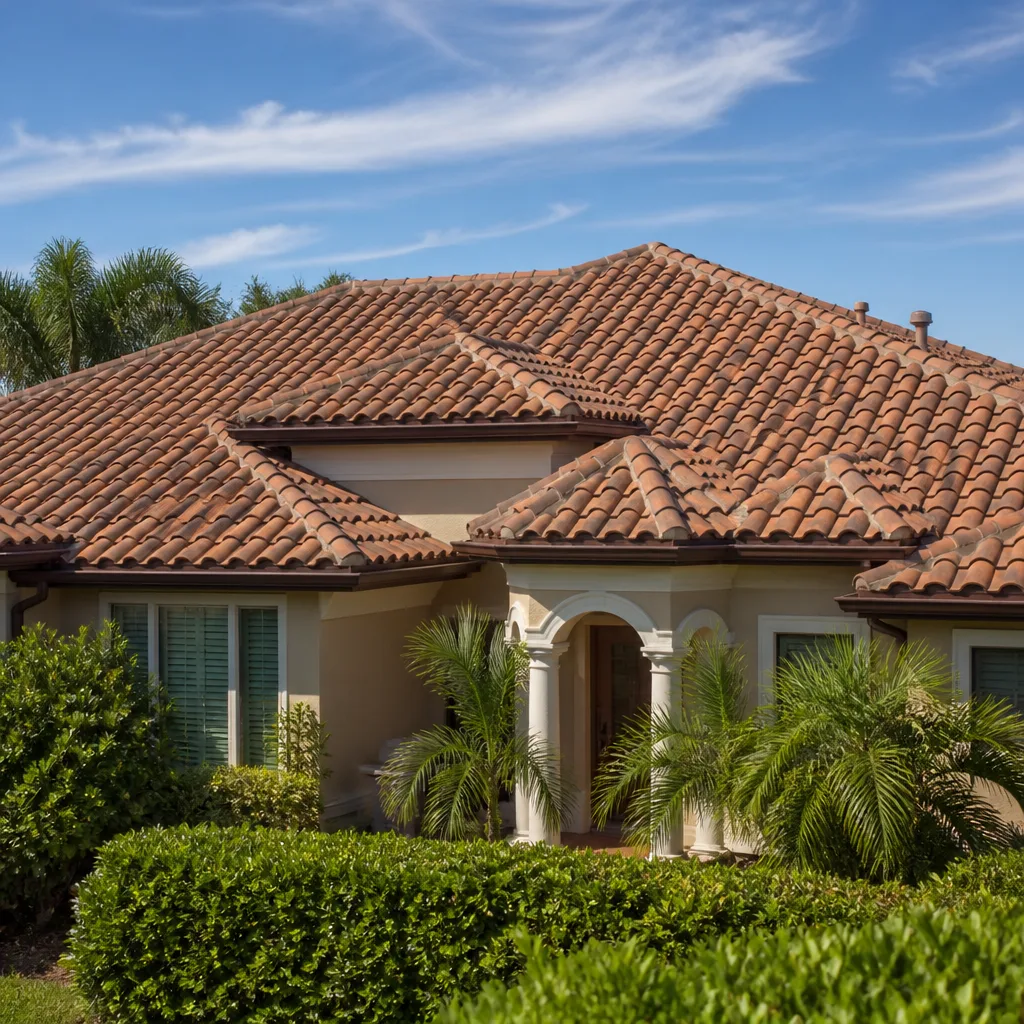 Tile roofing
 GAF
GAF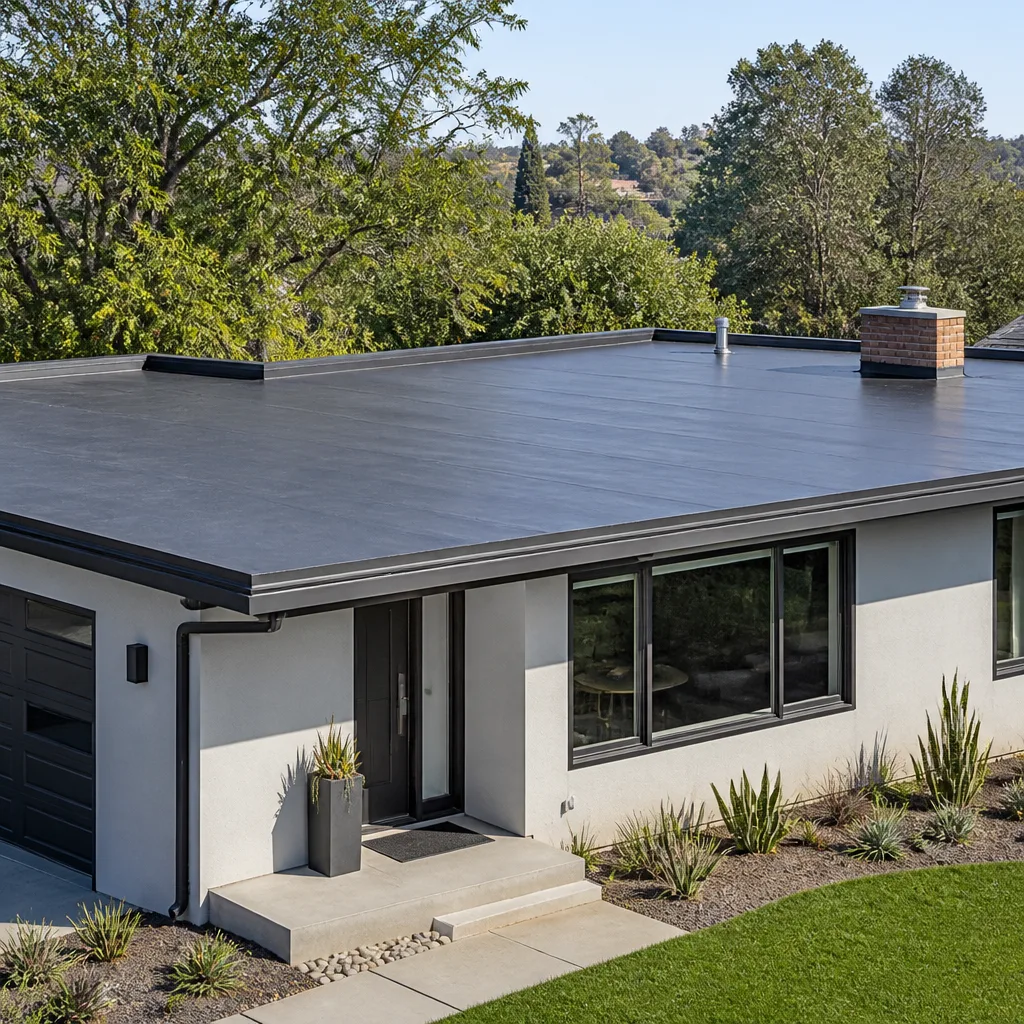 Flat & low-slope
Free roof inspection with deck photos before we talk money - GAF and Owens Corning certified installation
Boral Ridge Vent Installation: The San Antonio Owner’s Guide
Boral ridge vent installation in San Antonio typically runs $14 to $22 per linear foot installed, with most single-story homes landing between $550 and $1,100 total depending on ridge length and access. We stock Boral-compatible ridge vent material on our trucks and can usually complete the swap same-day once we’ve measured your existing run. Most San Antonio homeowners discover the problem the same way: a ceiling stain near an exterior wall, a musty attic smell in July, or shingle granules collecting at the downspout and a ridge line that looks chewed up from the street.
Ridge vents fail quietly. They don’t leak dramatically like a puncture. Instead, the vent material cracks, the nails back out, or the filter membrane inside breaks down, and warm humid air stops leaving your attic the way it should. In San Antonio’s climate, that trapped moisture turns into real money: warped decking, mold at the soffits, and an AC unit working harder than it ever should in August.
Key Takeaways
- Boral ridge vent installation in San Antonio costs $14 – $22 per linear foot installed, parts included.
- We stock Boral-compatible ridge vent material on the truck, so most jobs are done in one visit.
- UV degradation and hail are the top killers of ridge vents in South Texas.
- Every replacement includes our 365-Day Done Right Promise in writing.
Styles & brands we work with
Which Boral Models This Applies To
The Boral ridge vent system uses a rolled profile designed to sit low on the ridge line, which means it pairs with Boral’s concrete and composite tile profiles more cleanly than a generic plastic vent ever will. If your home has Boral roof tile, you’re working with either the Boral Lifestile or the Boral Inspire series in most San Antonio neighborhoods, and both series use the same ridge vent profile with minor differences in the side flashings. The vent itself is a corrugated, fire-resistant material that follows the roof’s contour instead of forcing the tile to accommodate a rigid plastic cap.
Here’s the compatibility gotcha most owners run into: Boral’s ridge vent is not a universal part you can grab at any supply house. The profile height and the way the vent nests under the ridge tiles is specific to Boral’s tile geometry. You can spot the OEM vent by the subtle Boral stamping on the underside of the exposed edge, usually within 18 inches of each end. If the stamping is gone or the vent has been painted over, measure the peak height: Boral’s vent sits at roughly 1.25 inches at the crown, and aftermarket generics often run 1.5 to 1.75 inches, which leaves a visible gap under the ridge tile and invites wind-driven rain into the attic.
We install both OEM Boral ridge vent material and proven aftermarket equivalents, and we’ll tell you straight what the difference is in price and lifespan before we ever put a nail in. On a tile roof, the OEM match matters more than it does on a composition shingle roof, because the vent has to move with the tile system as it expands and contracts through a San Antonio summer. We’re an independent roofing company, not affiliated with Boral, but we’ve worked with their tile and vent systems long enough to know which aftermarket parts hold up and which ones don’t.
Signs Your Boral Ridge Vent Installation Is Failing
- Attic temperatures that climb even after sundown. A functioning ridge vent lets hot air escape continuously. When the vent membrane is clogged with dust or the vent has collapsed, your attic stays hot long after the sun drops, and your AC never catches up.
- Visible cracking or curling along the vent edge. South Texas UV is brutal on vent material. Boral’s vent holds up better than most, but after 12 to 18 years, the exposed edges start to craze and crack. Once cracks open, rain gets in at the ridge, which is the worst place for a leak because it travels down the rafters before showing up as a ceiling stain.
- Nails backing out or missing along the vent run. Thermal cycling through our hot days and cooler nights works nails loose over time. A backed-out nail creates a direct water path through the vent and into the decking.
- Granules from the ridge tiles accumulating in gutters. This tells you the tile-to-vent connection is breaking down. When ridge tiles shift, the vent underneath gets exposed to more weather than it was designed for.
- Musty smell or mildew spots on the underside of the roof deck. That’s trapped moisture. A failed ridge vent stops exhausting humid air, and in San Antonio’s humidity, mold starts inside a single season.
See the difference
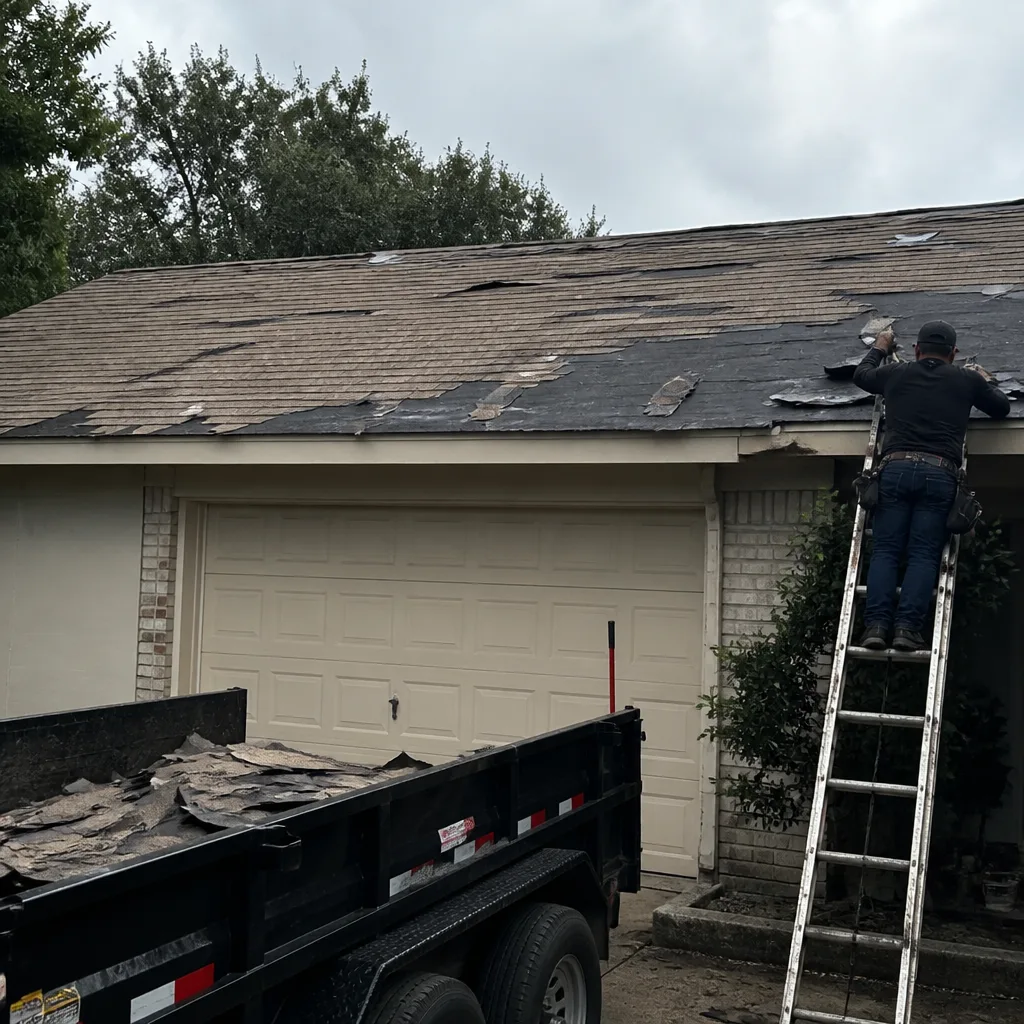 Before
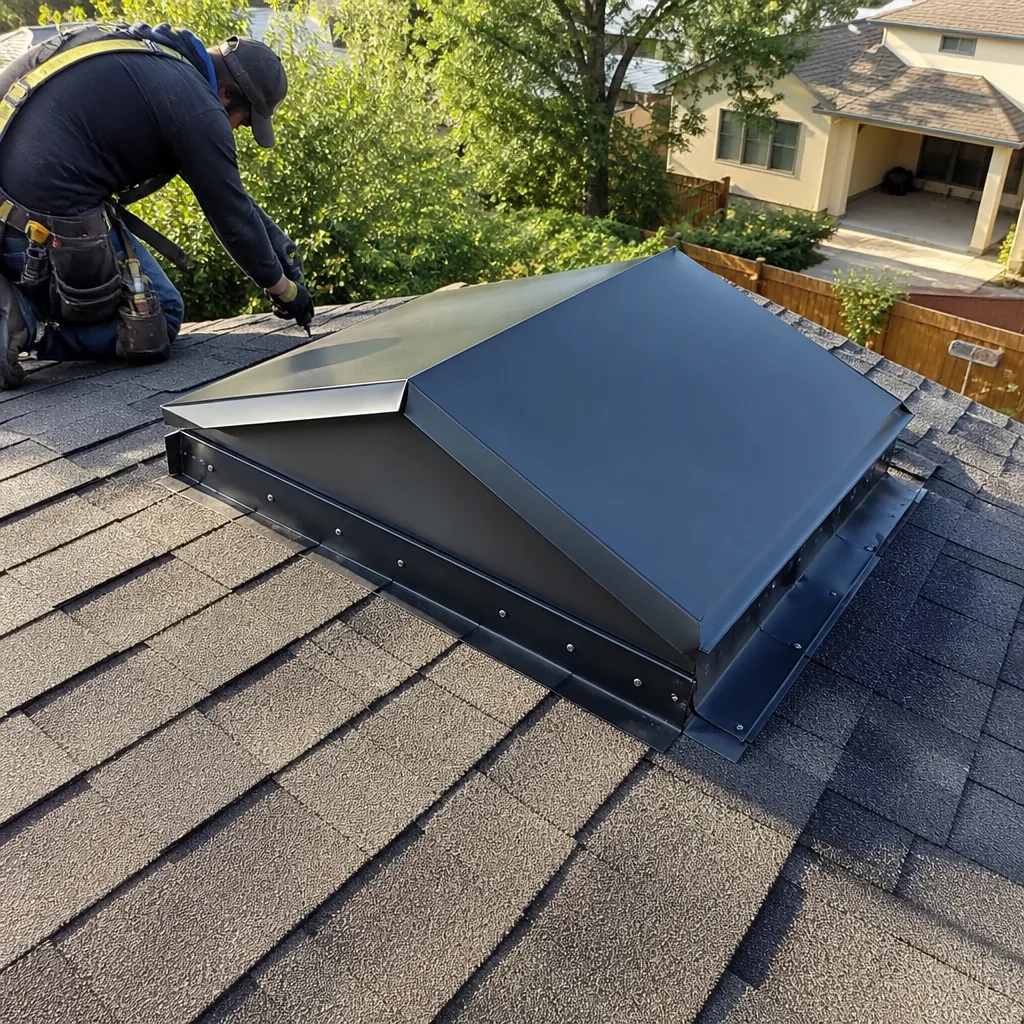 After
After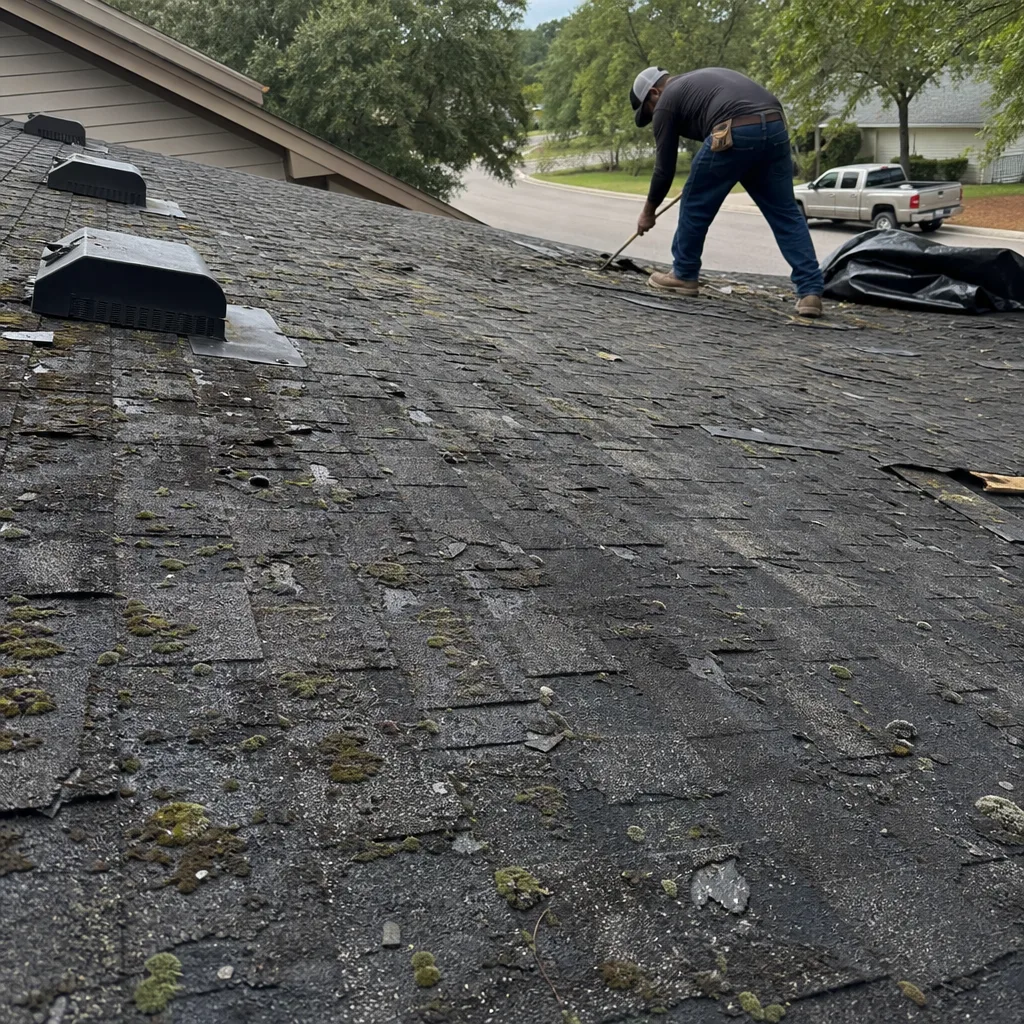 Before
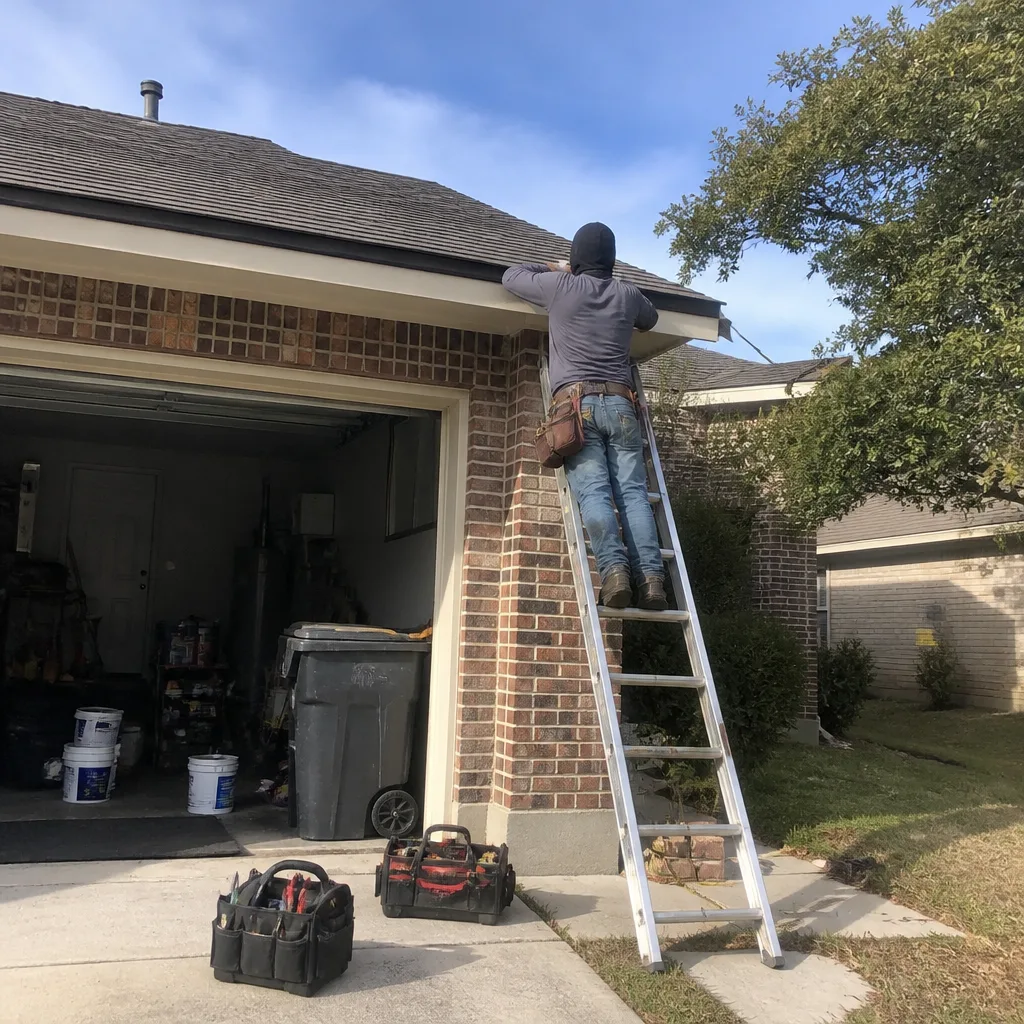 After
After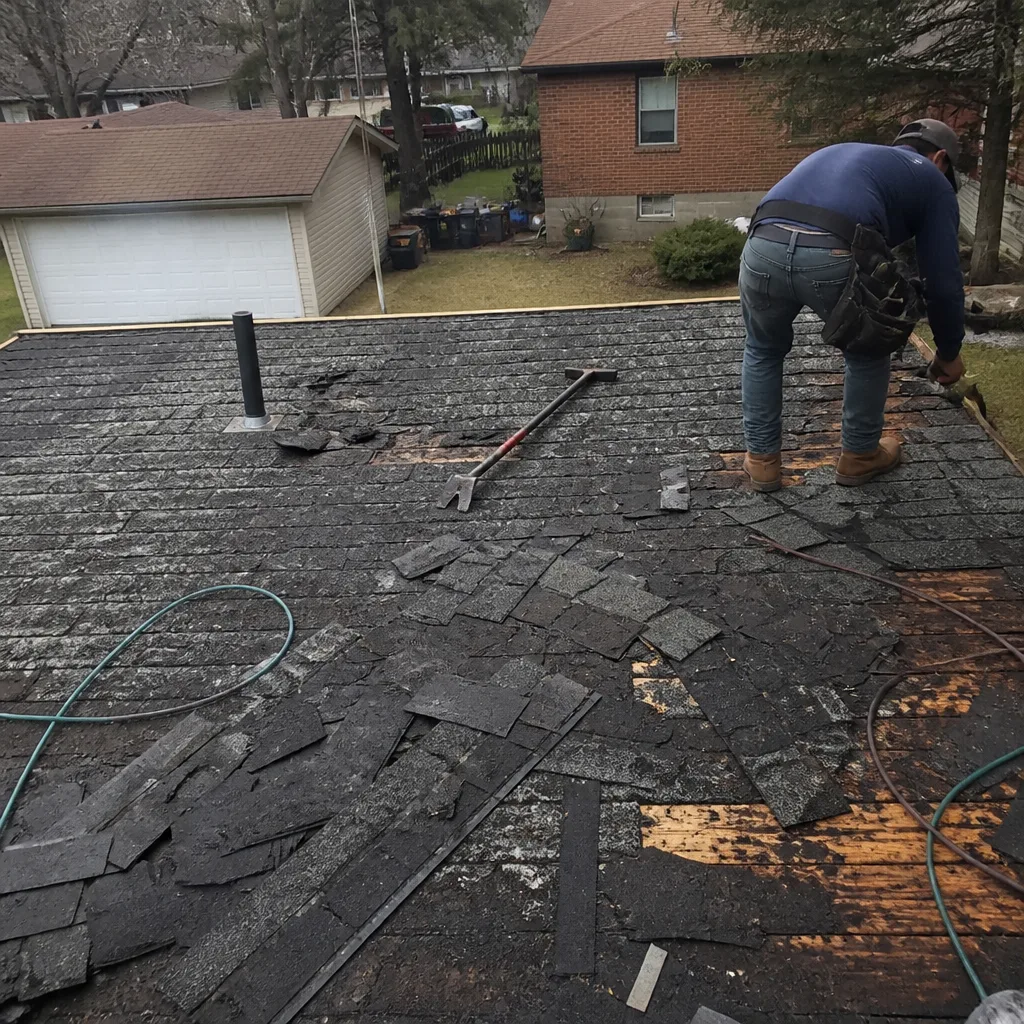 Before
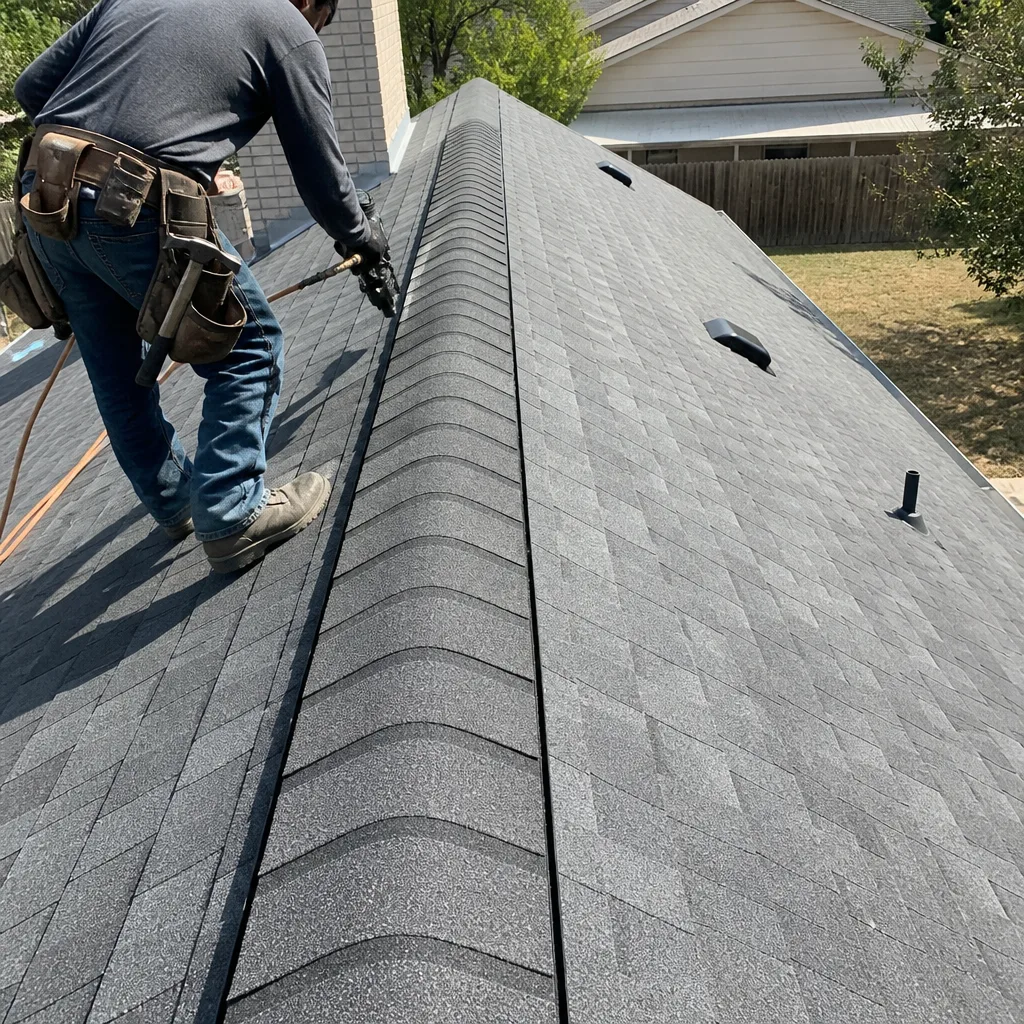 After
AfterReplacement Cost & What’s Included
In San Antonio, Boral ridge vent replacement with a Boral-compatible vent runs $14 to $22 per linear foot installed. A shorter ridge on a single-story ranch in Alamo Heights might be 25 to 30 feet, putting you around $420 to $660. A larger two-story with a 50-foot ridge line lands closer to $900 to $1,100. The range depends on ridge length, whether ridge tiles need to be lifted and re-set, and whether we’re repairing decking or replacing nails along the run.
Here’s what you get, in writing, before any work starts: the exact linear footage, the vent material we’re installing, the labor to remove the old vent and install the new one, and the re-bedding of ridge tiles where needed. The number on the estimate is the number on the invoice. Every Boral ridge vent installation includes our 365-Day Done Right Promise: if that vent fails within a year, we come back and fix it at no charge. That’s not a handshake deal. It’s written on every work order.
DIY or Call Us?
You can safely do the investigation yourself: walk the ridge line from the ground with binoculars, look for cracked vent edges, backed-out nails, and shifted ridge tiles. You can also check the attic on a hot afternoon and feel whether heat is moving out at the peak. But installing ridge vent on a Boral tile roof is not a weekend project, and here’s the honest reason why: the ridge tiles have to come off, the old vent has to come out, the new vent has to be cut and fit to the exact ridge length, and then the tiles go back and get re-mortared. One misstep on that ridge, and you’ve created a leak that goes unnoticed until the decking is toast.
Our crews do this exact swap regularly across San Antonio. We know how Boral’s vent profile sits under their tile, we know what the South Texas sun does to vent material over time, and we bring the right replacement parts on the first trip. Call (361) 209-8857 and we’ll measure your ridge, give you a written price, and get on the schedule.
FAQs
In San Antonio’s UV-heavy climate, a Boral ridge vent installation typically lasts 12 to 18 years before the exposed edges start to fail, though hail and extreme temperature swings can shorten that. We see most failures in vent runs that face direct afternoon sun on the west side of the house. Call (361) 209-8857 if you want us to assess yours, and we’ll give you a straight answer on how much life is left.
Small isolated cracks can sometimes be sealed, but patchwork on a ridge vent rarely holds in San Antonio because the material keeps expanding and contracting. For anything beyond a hairline crack in one spot, replacement of the affected section is the more durable fix. We’ll only recommend full replacement if the vent has degraded past the point where a patch makes sense.
A standard Boral ridge vent installation on a single-family San Antonio home takes one day, including removing the old vent, installing the new one, and re-bedding the ridge tiles. Larger homes or second-story ridges can push into part of a second day. Before we start, you’ll have the full scope and the written price, so you know the timeline before we touch the roof.
Yes. We carry Boral-compatible ridge vent material on our trucks, along with matching flashings and tile adhesives, so most San Antonio replacements are done in one trip. We also stock parts for GAF, Owens Corning, and CertainTeed systems, but for Boral tile roofs specifically, we keep the vent profile that matches their tile geometry.
Written by Dylan Pace, Owner, Crestview Roofing Co San Antonio at Crestview Roofing Co San Antonio, serving San Antonio and nearby areas.