
 Metal roofing
 Architectural shingles
 Tile roofing
 GAF
GAF Flat & low-slope
Free roof inspection with deck photos before we talk money - GAF and Owens Corning certified installation
Tamko Flashing Replacement: The San Antonio Owner’s Guide
Tamko flashing replacement in San Antonio typically runs $280 – $640 installed depending on the flashing location, material gauge, and how much of the surrounding shingle field has to be lifted to get a clean seal. We stock Tamko-compatible step flashing, pipe boot flashing, and valley flashing on our trucks, and in most cases we can complete the swap the same day we diagnose it. Homeowners usually find the problem the hard way: a water stain on the ceiling after a hard Hill Country rain, or granules collecting in the gutter directly under a pipe boot that’s split at the rubber collar.
The flashing is the metal working joint of your roof. It’s what bridges the gap between shingles and anything that pokes through the roof deck: chimneys, vent pipes, skylights, wall intersections. Tamko shingles can go 20 to 30 years in San Antonio when installed right, but flashing often fails first because it takes more direct abuse from UV, thermal movement, and the occasional hailstone.
Which Tamko Models This Applies To
Most Tamko flashing fails at the penetration, not the shingle, so the fix is largely independent of which Tamko shingle line you have. We see this on Heritage, Heritage Premium, and Elite Glass-Seal roofs across San Antonio, from Alamo Heights to Stone Oak to Helotes. The flashing itself is either a factory-formed component like a pipe boot or a custom-bent piece of metal measured and cut on site.
Here’s the compatibility reality: Tamko doesn’t manufacture a proprietary flashing line that must be matched to their shingles. The flashing sits under or against the shingle, not as a color-matched visible part. What matters is the gauge of metal, the material (galvanized steel, aluminum, or copper), and whether the piece is sized correctly for the penetration. OEM Tamko shingles don’t lock you into OEM flashing. A quality aftermarket galvanized or aluminum flashing in 26-gauge or heavier will do the job and often outlast the original install. That said, pipe boots with a properly sized neoprene or silicone collar matter more than the brand stamped on the base.
If you’re trying to identify what you have, look at the pipe boot or chimney flashing for a stamped gauge number, or measure the width of the metal visible at a wall intersection. Standard step flashing comes in 10-inch-wide pieces; valley flashing in 24-inch rolls or 10-foot sections. If the existing flashing is aluminum and it’s pitted white with corrosion, it was likely the wrong material for a San Antonio roof that catches morning dew and afternoon sun. That white pitting is galvanic corrosion, not normal aging.
Styles & brands we work with
Signs Your Tamko Flashing Replacement Is Failing
- Ceiling stain directly below a pipe boot or chimney. The rubber collar on a pipe boot dries out and cracks in Texas heat within 8 to 12 years. Once that collar splits, water runs straight down the pipe and into the attic. A stain that appears after the first heavy rain is almost always flashing, not shingles.
- Granules in the gutter beneath a wall intersection or valley. When flashing rusts through or lifts, water gets under the shingle edge and starts eating at the shingle mat. The granules wash down before you ever see a missing shingle.
- Daylight visible in the attic around a vent pipe. Go up at noon on a bright day. If you can see a sliver of light where the pipe meets the roof deck, water has been getting in for a while. That’s a failed flashing collar or a boot that was never seated properly.
- Rust bleeding down the roof from a chimney or pipe base. Galvanized flashing eventually sacrifices its zinc layer, especially where it sits in a damp shaded area like under a chimney cricket. Orange staining on shingles below a metal edge means the metal is failing and water will follow.
- Shingle edges lifting around a penetration. Thermal cycling in San Antonio, where roof deck temps swing 80 degrees between a July afternoon and a December night, causes metal to expand and contract. Over time that movement loosens the sealant bond and lets the flashing pop up. Wind-driven rain finds its way in.
See the difference
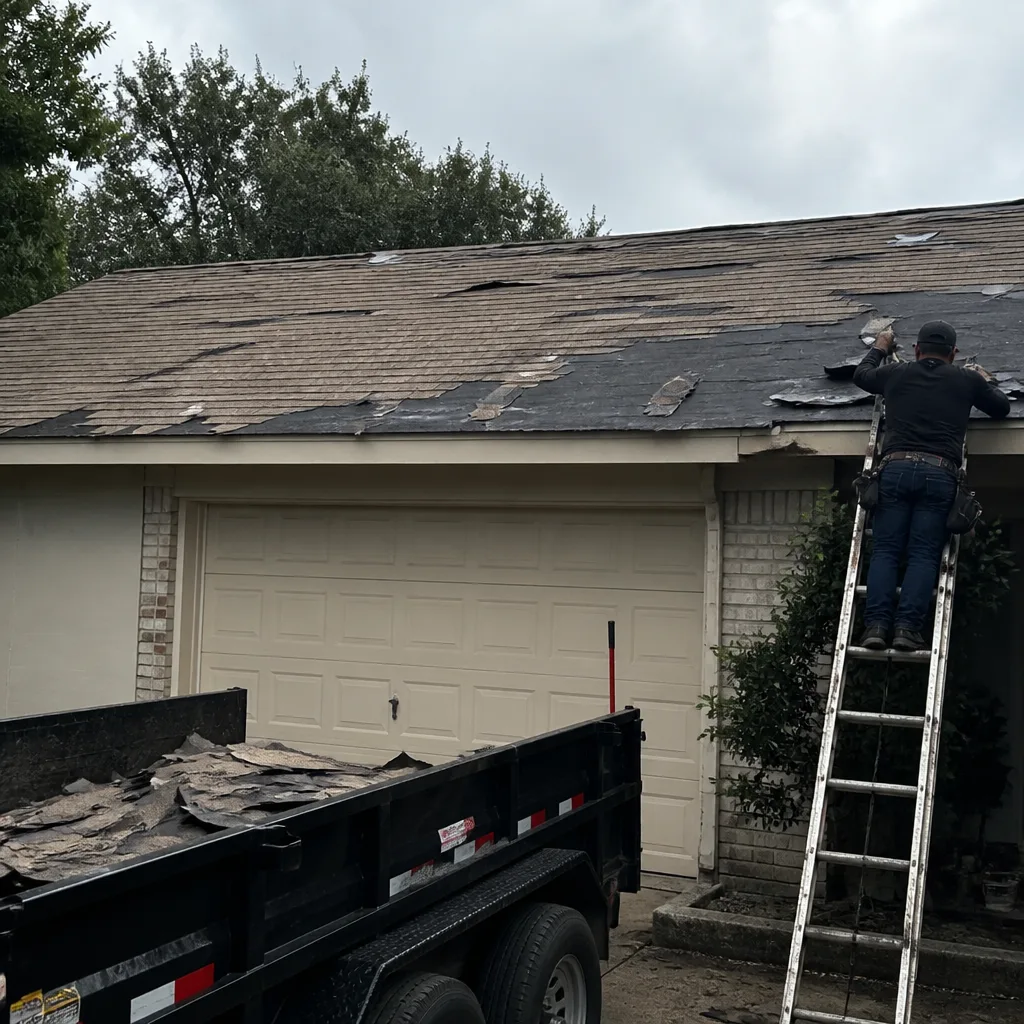 Before
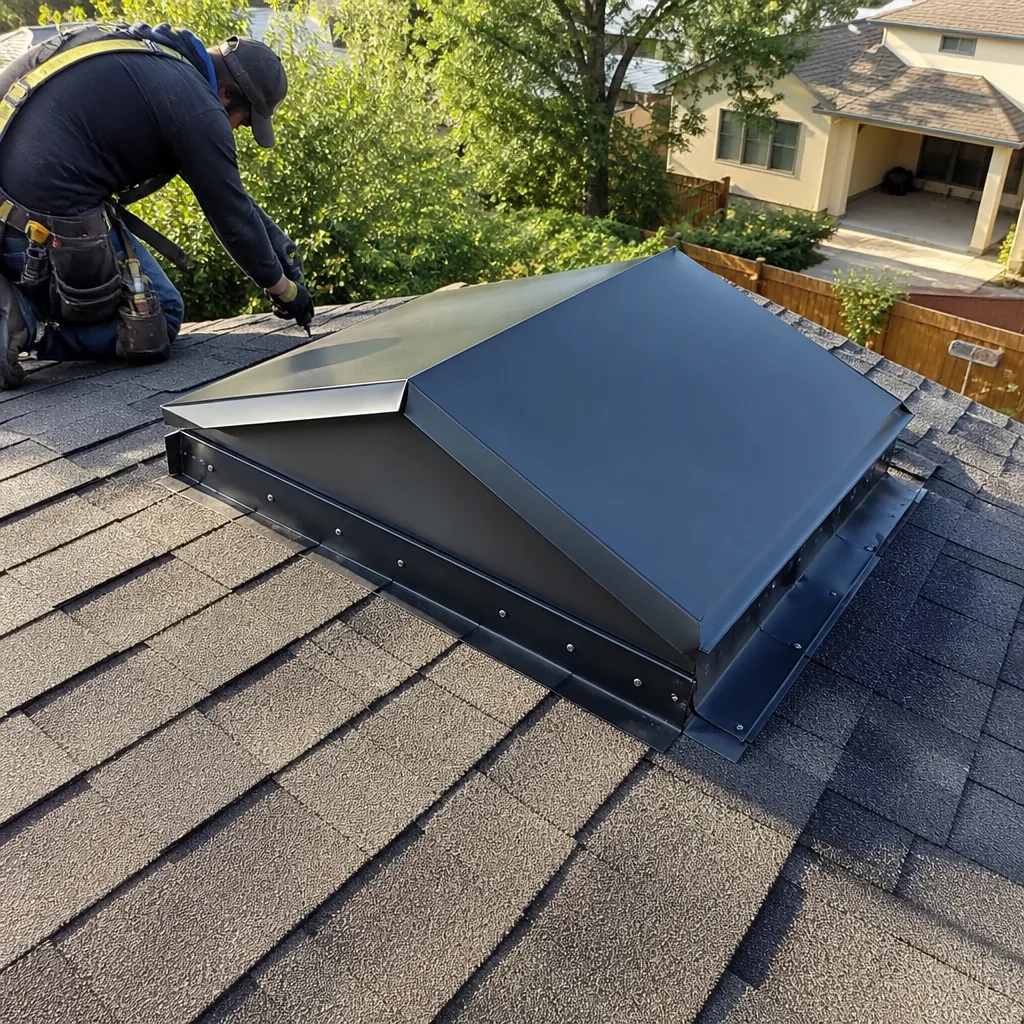 After
After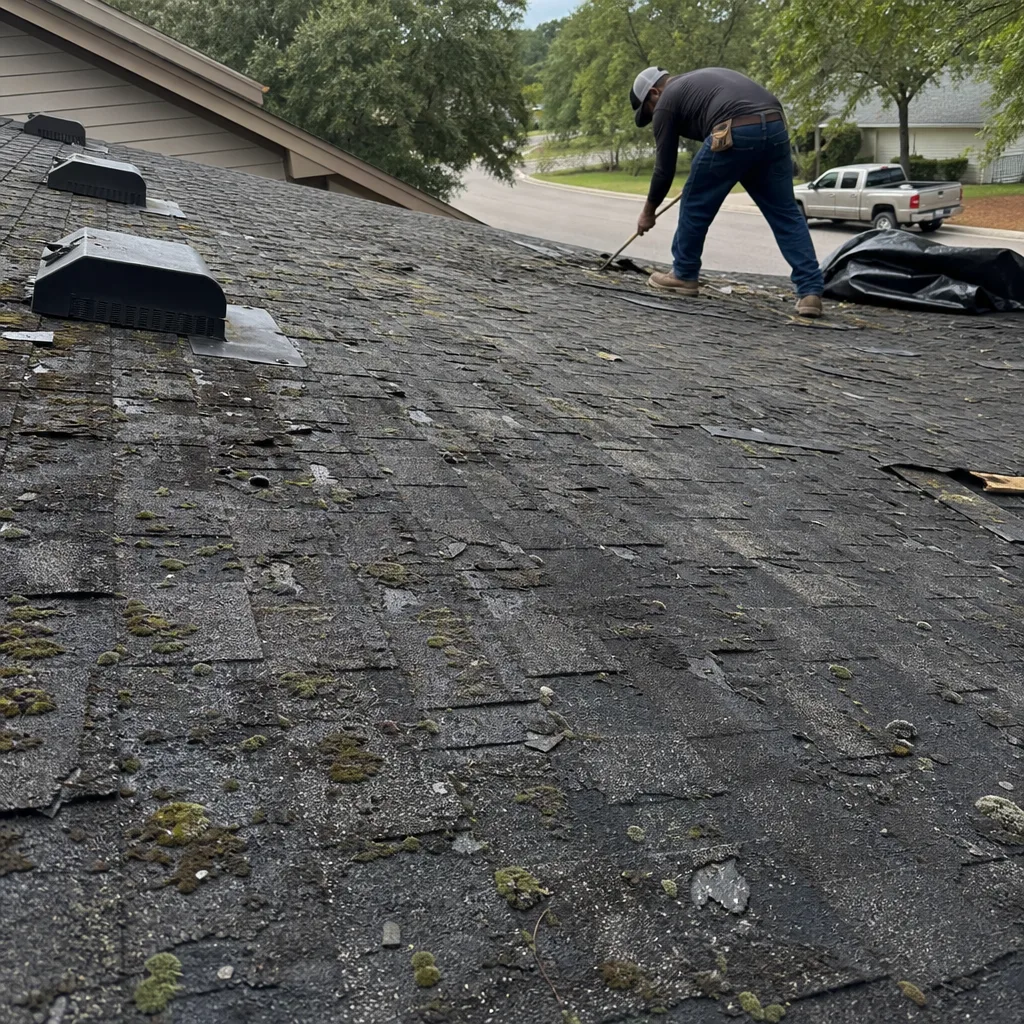 Before
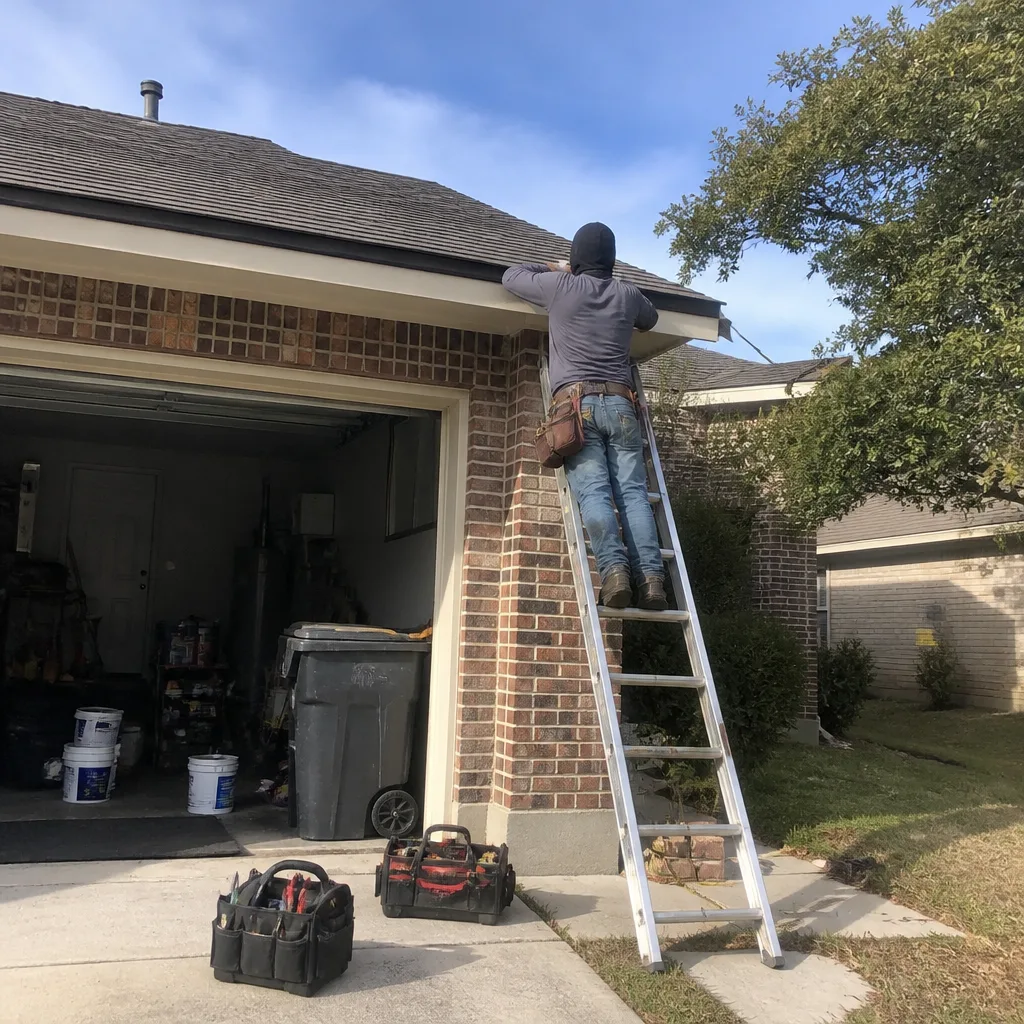 After
After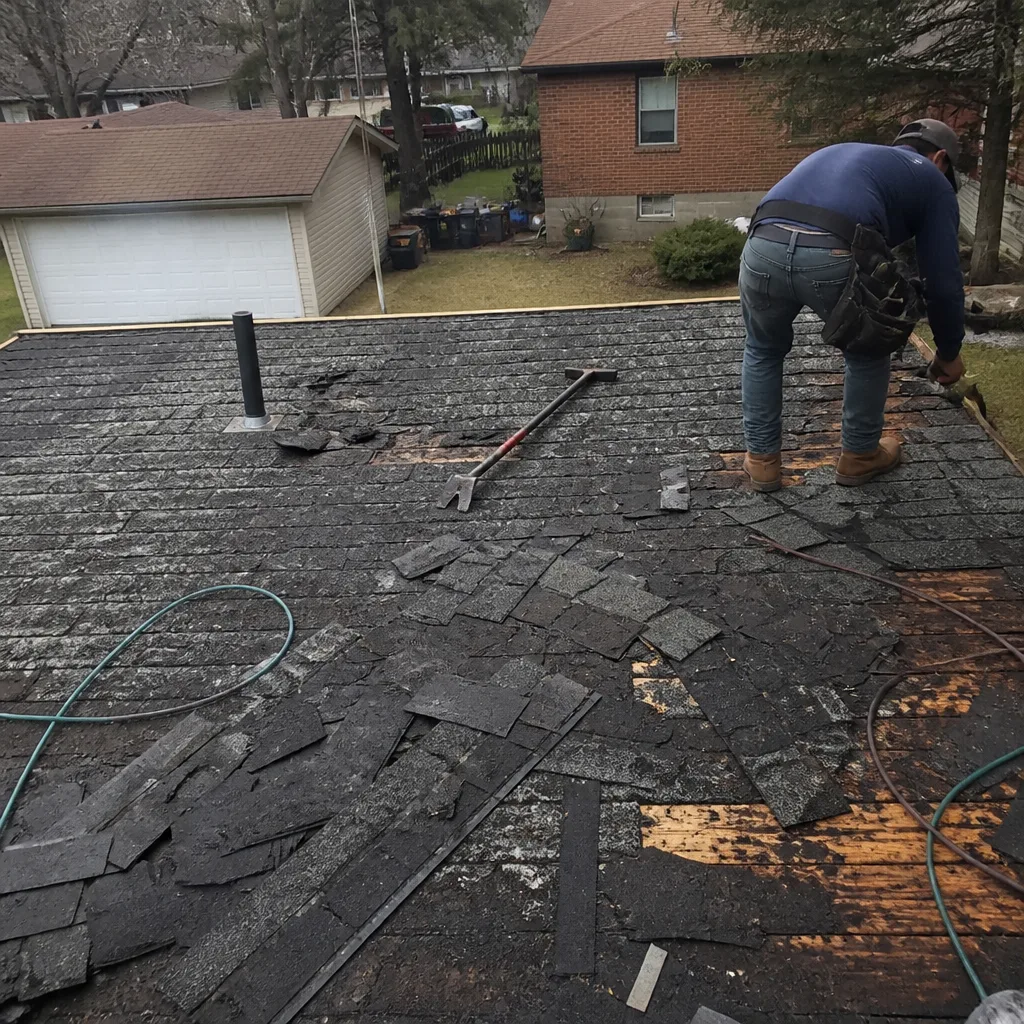 Before
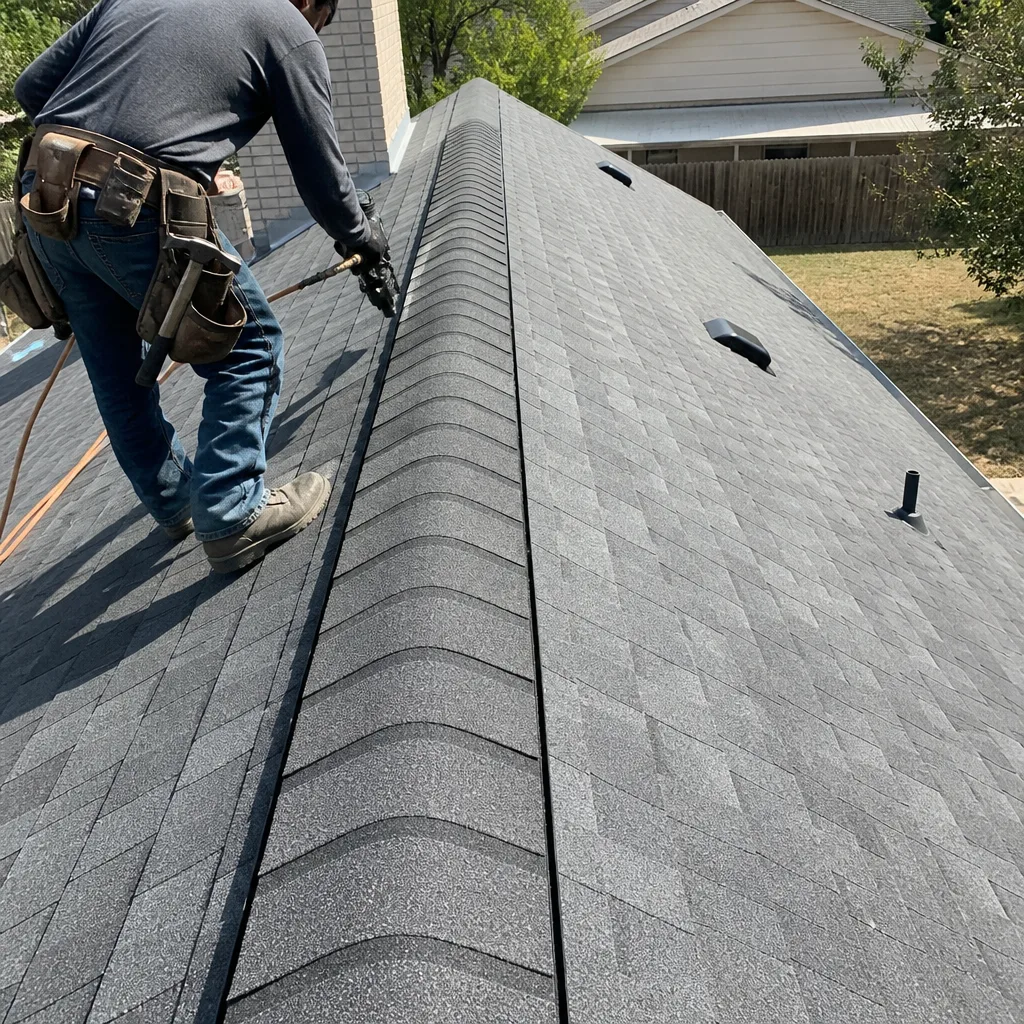 After
AfterReplacement Cost & What’s Included
| Flashing Type | Typical Installed Range in San Antonio | What’s Involved |
|---|---|---|
| Pipe Boot Flashing (single) | $280 – $420 | Remove shingles around the pipe, replace boot, re-seal, replace shingles |
| Step Flashing (per wall run up to 12 ft) | $340 – $560 | Lift shingles along the wall, install new step flashing, re-nail, re-seal |
| Chimney Flashing (standard 1-story chimney) | $450 – $750 | Full metal replacement around the chimney base including counterflashing |
| Valley Flashing (single valley up to 20 ft) | $400 – $680 | Remove valley shingles, install new valley metal, re-lay shingles, seal |
These ranges reflect the San Antonio market in 2026: access difficulty, roof pitch, and whether the decking underneath has rotted from the leak. We do not start cutting shingles around a flashing until you have a written price in hand. The number we quote is the number you pay. If we find rotted decking once the flashing is out, we stop and send you a photo and a revised written price before touching another board. Every flashing replacement carries our 365-Day Done Right Promise in writing, so if water gets through the same spot within a year, we come back and fix it for free. No negotiation, no second invoice.
DIY or Call Us?
Flashing replacement sits on the line between what a confident homeowner can do and what goes wrong quietly. Replacing a pipe boot on a low-slope, walkable section of roof with a ladder you trust and a dry day is doable. The danger is not fall height on a 4/12 ranch; the danger is that the leak you’re fixing is not the leak you think you have. Half the flashing work we do in San Antonio is a second repair: the homeowner paid a neighbor or a handyman to replace a boot, and the leak was actually coming from a cracked step flashing eight feet away.
If your roof is two stories, steep, or the flashing is at a chimney on the gable end, don’t do this yourself. Getting a ladder up to 25 feet of chimney flashing requires roof jacks and the kind of balance you only get from doing it weekly. One wrong step on a steep-slope roof in San Antonio is a hospital trip. We carry the right gauge metal, matching sealant, and a fall-protection setup on every truck. Call (361) 209-8857 and we’ll give you an honest assessment of whether it’s a one-piece swap or a full penetration rework.
FAQs
Expect 12 to 18 years from factory pipe boots and 20 to 25 years from properly installed custom metal work. San Antonio’s UV index and overnight humidity cycles shorten flashing life compared to drier climates. The rubber collar on pipe boots is the first component to fail, often a full decade before the shingles around it. Call (361) 209-8857 for a free estimate if your flashing is over 12 years old and showing cracking.
Small cracks at a pipe boot collar can sometimes be sealed with a quality urethane sealant as a short-term fix, but it rarely lasts more than one summer. If the metal itself is rusted through or the flashing has pulled away from the wall and lost its bond, replacement is the only repair that works. Call (361) 209-8857 and we’ll tell you straight whether a sealant patch buys you a year or wastes your money.
A single pipe boot swap takes 45 minutes to an hour of roof time. A chimney flashing replacement is a half-day job. A full valley rework with repacking starter course and re-sealing runs most of a day. We send before-and-after photos, and the digital invoice arrives by text before the crew leaves your driveway.
Yes. Crestview Roofing Co San Antonio trucks carry pipe boots in the three most common sizes, step flashing in galvanized and aluminum, and valley roll metal in standard San Antonio widths. We also work with Tamko, GAF, Owens Corning, and CertainTeed materials, so if your roof line needs a specific profile or color to match trim, we can source it fast. We’re an independent San Antonio roofing company, not a Tamko dealer, so we match the flashing to your roof, not to a brand loyalty card.
If you’ve got a ceiling stain, a rusted pipe boot, or a hunch that your flashing gave up somewhere around the last rainstorm, call us at (361) 209-8857. We’ll give you a straight answer, a written price, and a repair backed in writing for a full year. Every promise we make goes in writing, because a handshake doesn’t keep water out.
Written by Dylan Pace, Owner, Crestview Roofing Co San Antonio, serving San Antonio and nearby areas.